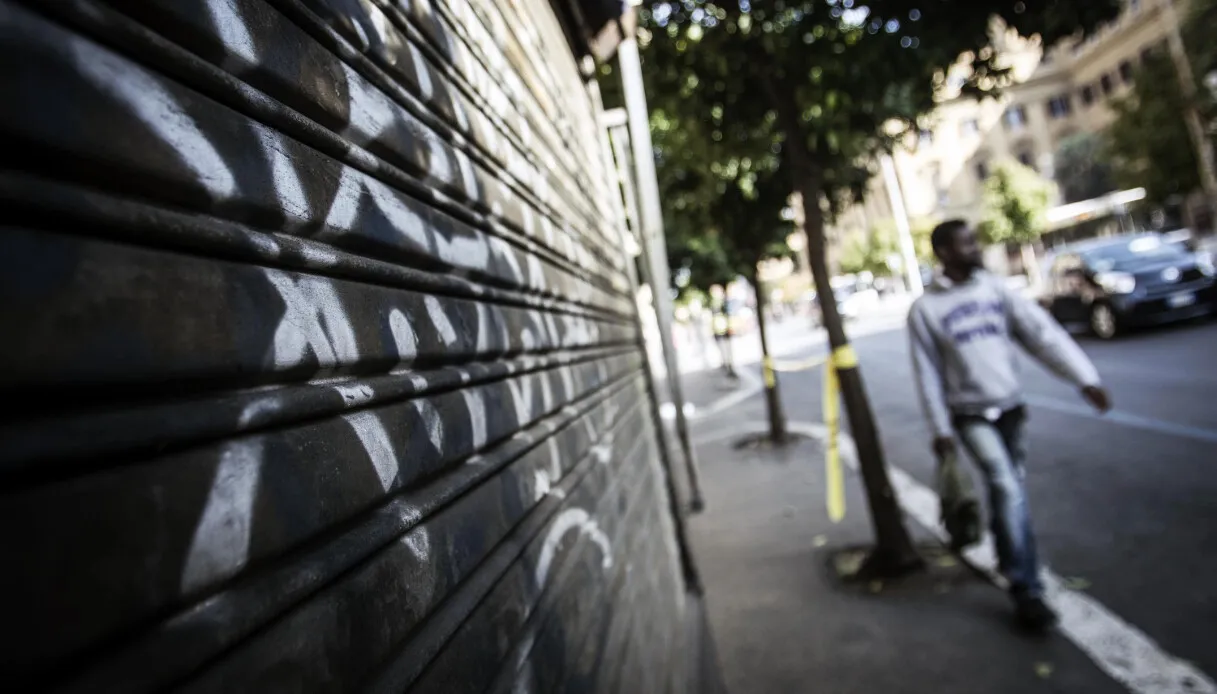
In the last decade, Italian cities have ended up in the grip of commercial desertification. The business panorama is clear: shutters down, vacant premises and fewer local shops.
According to data released by Confcommercio, between 2012 and 2025 approximately 156 thousand retail shops and street vendors disappeared, equal to over a quarter of the national total. At the rate of 12 thousand a year.
What is commercial desertification and why is it affecting more and more cities
The expression commercial desertification indicates the progressive disappearance of local shops and traditional activities in urban centres. The “Cities and business demography” report created by Confcommercio examined 122 Italian cities, including 107 provincial capitals, analyzing 18 different categories of economic activities between historic centers and suburbs.
The results show a structural change in urban commerce. Above all, retail sales outlets are disappearing from our streets, while at the same time some types of services linked to tourism or catering are increasing.
According to experts, the risk is that many cities will gradually transform into dormitory neighborhoods with fewer local services. Determining, in addition to the economic consequences, also heavy social effects especially for the elderly population and the most vulnerable groups who depend on neighborhood shops for daily needs.
How many shops have closed in Italy in recent years
The numbers of commercial desertification paint an alarming picture. In the space of 13 years, between 2012 and 2025, around 156 thousand points of sale “disappeared”. Especially newsstands, bookshops, hardware stores and clothing stores. This represents over a quarter of the activities present at the beginning of the analyzed period.
Commercial desertification has intensified especially in recent years, resulting in a strong transformation of the commercial fabric. In the same period examined, an increase of approximately 19 thousand hotel and restaurant businesses was observed.
E-commerce, rents and new consumption: why shops are closing
The causes of commercial desertification are multiple and intertwined with general changes in the economy and consumer behavior. One of the main factors is the growth of e-commerce. In recent years the online market has almost tripled: between 2019 and 2025 the value of sales on the web went from 31.4 billion to over 62 billion euros. Practically double.
At the same time, small commercial businesses have recorded substantial stagnation in sales, with an increase close to zero between 2015 and 2025. Other factors also have an impact, including:
- the increase in costs and rents in historic centres;
- the spread of short-term rentals linked to tourism;
- changing consumption habits;
- the difficulty of generational turnover in small commercial businesses.
Which cities are most affected by commercial desertification
As reiterated by Confcommercio, commercial desertification is not only an economic phenomenon but also a problem of urban cohesion. The decrease in shops translates into fewer services for residents and often also less safety. Some neighborhoods risk losing their vitality, leaving room for a form of urban decay.
The most affected cities are mainly located in the Centre-North. The greatest loss of commercial cells (even over 30%) is recorded in Belluno, Vercelli, Trieste, Alessandria and Savona. However, the single worst figure is recorded in the rest of Italy: Agrigento (-37.5%), followed by Ancona (-35.9%).
If the trend continues, experts say there is a risk that within the next decade many urban areas will become increasingly less livable from a commercial and social point of view.