Inflation in Italy is growing again and will reach 5.5% in October 2026, compared to the 4.2% recorded in September. This was communicated by Istat, which published the definitive data on consumer prices, revising the preliminary estimate of 5.4% upwards. The national consumer price index (Nic) recorded an increase of 1% compared to the previous month. The increases in energy prices have the greatest impact, followed by fresh food and transport services. The consumer association Assoutenti is asking the Government for urgent action to reduce the cost of bills, especially in view of the increase in energy consumption during the winter.
Inflation October 2026 at 5.5%, because prices increase
According to Istat, the acceleration of inflation depends above all on energy products, whose prices recorded an annual increase of 31.9%, compared to 22.6% in September. The international geopolitical situation which affects the prices of energy raw materials is also influencing the market. Prices of unprocessed foods, including fresh fruits and vegetables, rise from 5.5% to 7.5% annually. Transport services are also growing, with an increase of 3.2% compared to 2025, compared to 1.6% in the previous month. Core inflation, calculated excluding energy and fresh food, instead rose from 1.6% to 2%.
Electricity and gas bills, increases of up to 61% in the protected market
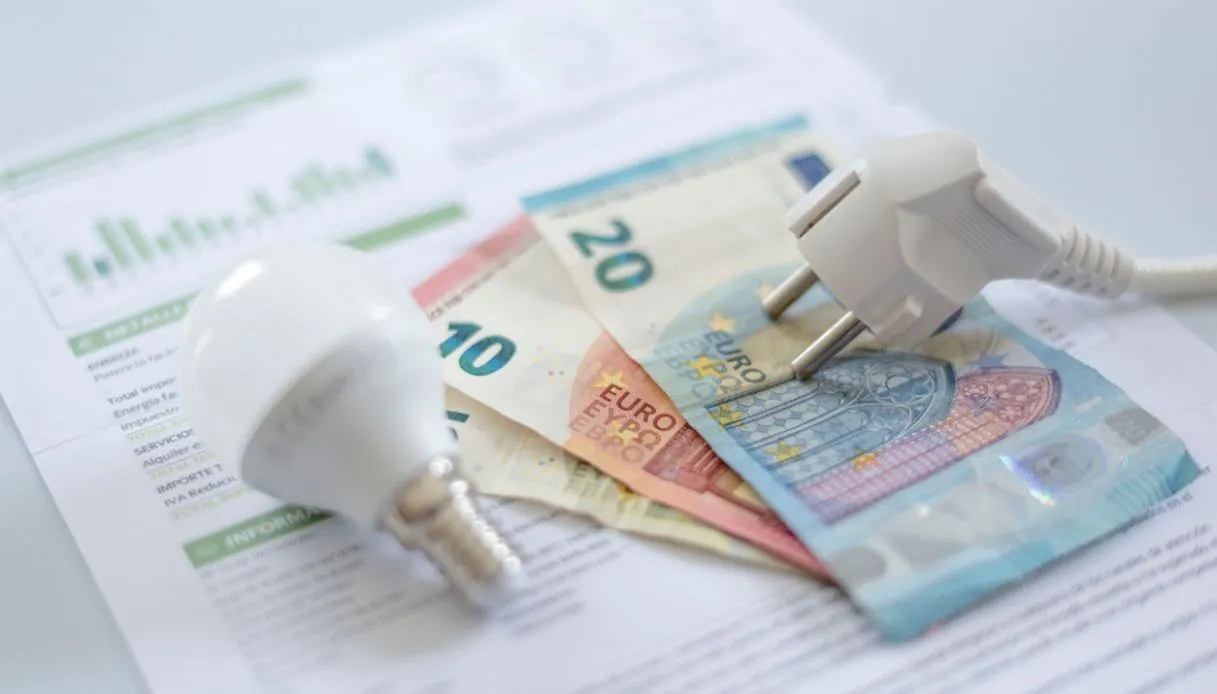
The growth in energy prices represents a major concern for families. According to data recalled by Assoutenti, gas in the protected market increases by 61.1% on an annual basis, while electricity records an increase in prices of 60.2%. Even in the free market, significant increases are observed:
- Gas: +35.7% compared to October 2025
- Electricity: +33.6% on an annual basis.
The percentages represent average changes in price indices and do not necessarily correspond to the increase in the bill of each individual family. The actual expense in fact depends on the contract signed, on consumption, on the fixed components and on the economic conditions applied by the supplier.
Shopping cart more expensive, food and essential goods increase
Inflation also continues to impact everyday purchases. According to Istat, the prices of the so-called shopping cart increase by 2.3% on an annual basis, compared to the 1.5% recorded in September. The category includes food, home care products and personal hygiene items. The prices of the most frequently purchased products increased by 5.8%, compared to 5.2% in the previous month. To understand the effect on family budgets, an expense of 500 euros per month subject to an increase of 2.3% would entail an additional cost of approximately 11.50 euros per month, equal to 138 euros per year. This is an indicative simulation: the actual price increase varies based on the products purchased and consumption habits.
Assoutenti asks the Government for a VAT cut on bills
After the publication of the Istat data, Assoutenti called for measures to contain energy increases. “The most worrying data is undoubtedly that relating to energy,” declared the president of the association, Gabriele Melluso. The organization is calling for a reduction in VAT and system charges on bills, to ease families’ spending during the winter months. Another request concerns the extension of the Gradual Protection Service throughout 2027, with the aim of containing electricity costs for affected consumers. The proposals represent requests from the association and not interventions already approved by the Government