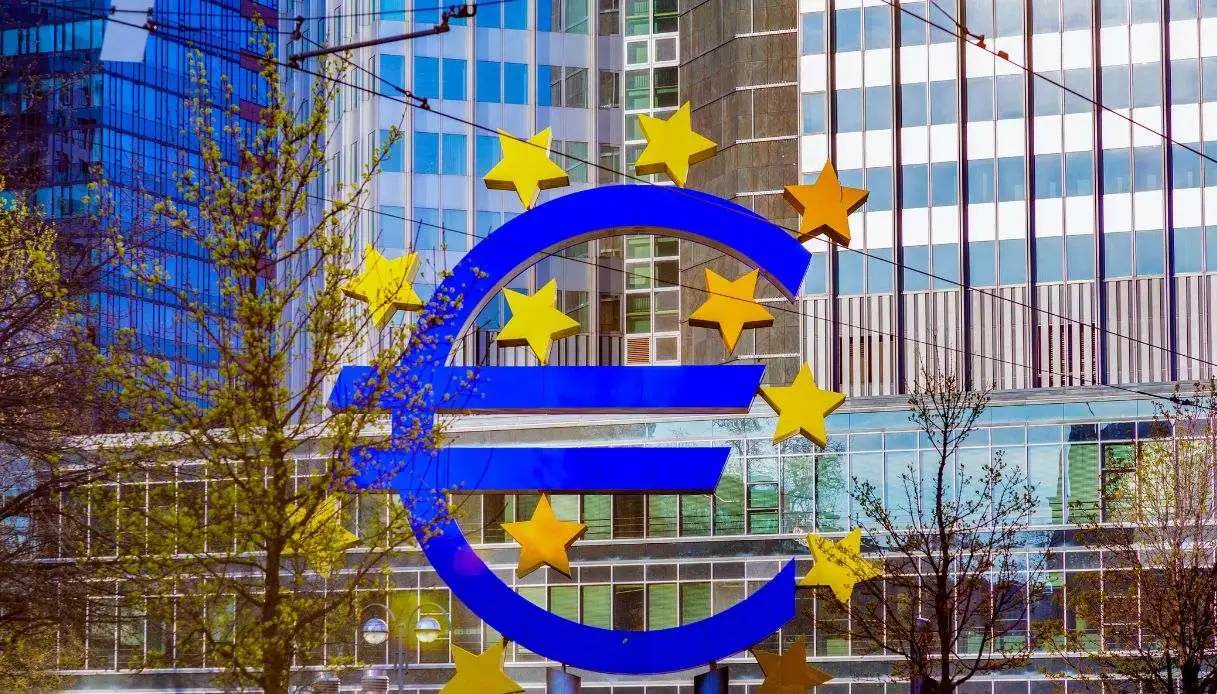
The digital euro could become a reality in 2029. The announcement comes from the vice president of the European Central Bank, Luis de Guindos, who illustrated the progress of the project during the presentation of the annual report to the ECON commission of the European Parliament. This is no longer a simple hypothesis or a theoretical exercise, but a roadmap which, if respected, will lead to the first issuance of a public digital currency in the euro area by the end of the decade. To ensure that the roadmap is respected, however, a first experimental phase will be started in 2027.
Digital Euro: first test in 2027, issue in 2029
According to what de Guindos declared, a first pilot operation is expected in 2027, which will serve to test the functioning of the digital euro in the field, verifying its security, scalability and integration with existing payment systems. Only after this test will it be possible to proceed with a first issue in 2029.
Despite the clarity of the timetable, there is an essential condition: the approval of the regulatory framework by 2026. Without a solid legislative basis, the entire project risks being significantly delayed.
Currently, the European Commission and the Council of the European Union have already defined their positions. The last missing piece is that of the European Parliament, which should express its opinion by the summer. In particular, a vote in the ECON commission is expected by June 23rd, followed by definitive approval in plenary in July.
How the digital euro will work
The digital euro will be, to all intents and purposes, an electronic form of money issued by the central bank, complementary to cash and not a replacement. Citizens will be able to use it to make daily payments, both online and offline, with a high level of security and, at least in intention, with strong protection of privacy.
To make all this possible, the creation of a European payment infrastructure alternative to the dominant international circuits is planned. Today, a large part of electronic transactions in the euro area pass through operators such as Visa and Mastercard, with costs which, according to many trade associations, penalize small and medium-sized businesses in particular.
Economic and political impacts
From an economic point of view, the introduction of the digital euro opens up complex scenarios. On the one hand, it could improve payment efficiency, reduce transaction costs and promote financial inclusion. On the other hand, it raises questions about banking disintermediation, i.e. the risk that citizens prefer to hold liquidity directly at the central bank rather than in traditional current accounts.
For businesses, especially SMEs, a European system based on the digital euro could reduce these fees and improve operating margins. It is no coincidence that the topic is also followed carefully by organizations such as Confcommercio, which see the project as an opportunity to rebalance market conditions in favor of European companies.
At a political level, however, in Italy the project enjoys transversal support. Among the protagonists of the discussion are representatives of various political forces, such as Marco Falcone and Pasquale Tridico, who have contributed to bringing the topic to the center of the European agenda. However, some critical issues remain. These include concerns related to citizens’ privacy, the role of commercial banks and the possible introduction of limits on the use of digital currency to avoid destabilizing effects on the financial system.
2029 is not around the corner, but not that far away either. If the legislative process proceeds smoothly and the technical phases are successful, the digital euro will become a concrete reality within a few years. But much will depend on the ability of the European institutions to find a balance between innovation and stability, between efficiency and protection of rights.