Social media, or rather the not exactly healthy use of them, can encourage concentration on imaginary worlds to the detriment of real ones. To explain this reality, someone spoke of imaginative absorption. It is the tendency to get carried away and immerse yourself in your fantasies leading to a reduced awareness of what is around us.
In this sense, creating culture is also fundamental to avoid creating altered relationships with the perception of one’s own body, precisely because of the image that can be obtained from a video on social media. A research conducted in Australia by experts at Flinders University, which appeared on, warns in this sense Body Image.
Males at risk
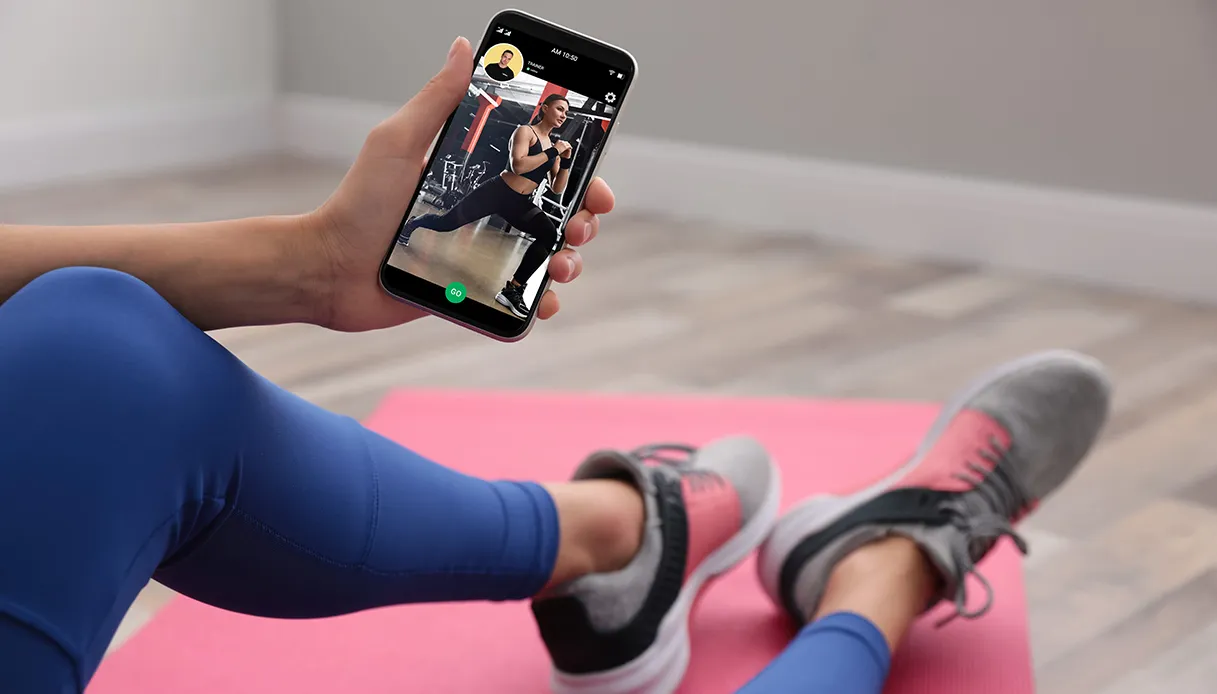
The study examined the videos that appeared on TikTok, reaching a worrying conclusion: those that offer fitness and supplements and are particularly popular on the social network can make young males feel more dissatisfied with their physical shape and increase attention towards supplements for muscle development.
The research asked just under 300 young people (aged 17 to 30) three minutes of TikTok videos containing fitness advice, supplement promotion or unrelated travel content, before reporting how they felt about their body, fitness, diet and intentions to use muscle-building substances. Those who watched videos of this type reported less satisfaction with their physical fitness and their diet compared to those who watched travel content for comparison.
Not only that: those who followed the specific videos on muscle shape and potential supports declared themselves more willing to use creatine as a supplement. All of this, with the greater impact of videos dedicated to physical fitness rather than those dedicated to integration.
Unhealthy comparisons
The research certainly warns and, remembering that not all videos can impact young people’s perception of their own bodies, it highlights how effective tools are needed to critically evaluate online messages which often oversimplify the benefits and at the same time are not particularly clear about the potential risks. What is certain is that these tools can have a major impact on the perception of one’s body and the resulting behavior of young people. The lead author of the study, psychologist Nepheli Beos, confirms this in a press note.
“A few minutes of idealized content on fitness or supplements is enough to change men’s perception of their fitness and nutrition, increasing their desire to seek out products that promise faster muscle gains – is his comment”.
According to scholars, however, it is necessary to pay attention not so much to the time spent in front of the smartphone, tablet or PC screen for young people but rather to the quality of the messages. Repeated exposure to very muscular bodies, with fitness content, can encourage real dysmorphophobia, with an incorrect perception of one’s self. What is certain is that the study found that comparison with physical appearance plays a central role: men who compare themselves with the bodies shown in the videos report less satisfaction with their physical shape and a greater interest in supplements.
“Social comparison is a powerful, but often underestimated, factor influencing health behaviors, especially on highly visual platforms like TikTok”
It’s the expert’s opinion.
Education is fundamental
Final summary: We need targeted media literacy education and more responsible social media practices. Which does not mean prohibiting, but teaching. According to a study that appeared some time ago on Lancet Regional Health Europewhich examined students from 20 institutions with restrictive policies and 10 schools with permissive policies for more than a year, no significant differences were observed between the institutions with more permissive regulations and those with more stringent indications for the use of smartphones, even in terms of academic performance in key subjects such as English and mathematics.
All this, while considering a decrease in the use of telephones by students (by approximately 40 minutes) and social media (by approximately 30 minutes) at school in the event of a ban. What matters, in short, is to create competence and culture to limit total exposure to these stimuli. The research, in some way, confirms how and to what extent it is necessary to regulate the use of smartphones throughout the day, without necessarily focusing on specific environments such as school but thinking within the context of a daily path that also includes family life and free time. Maybe starting from an early age. The habit of healthy use of devices must therefore begin from childhood, also through the example of adults.









