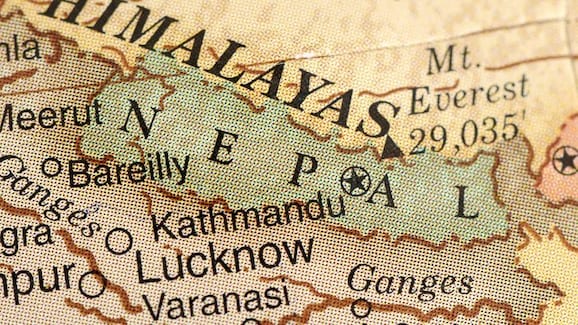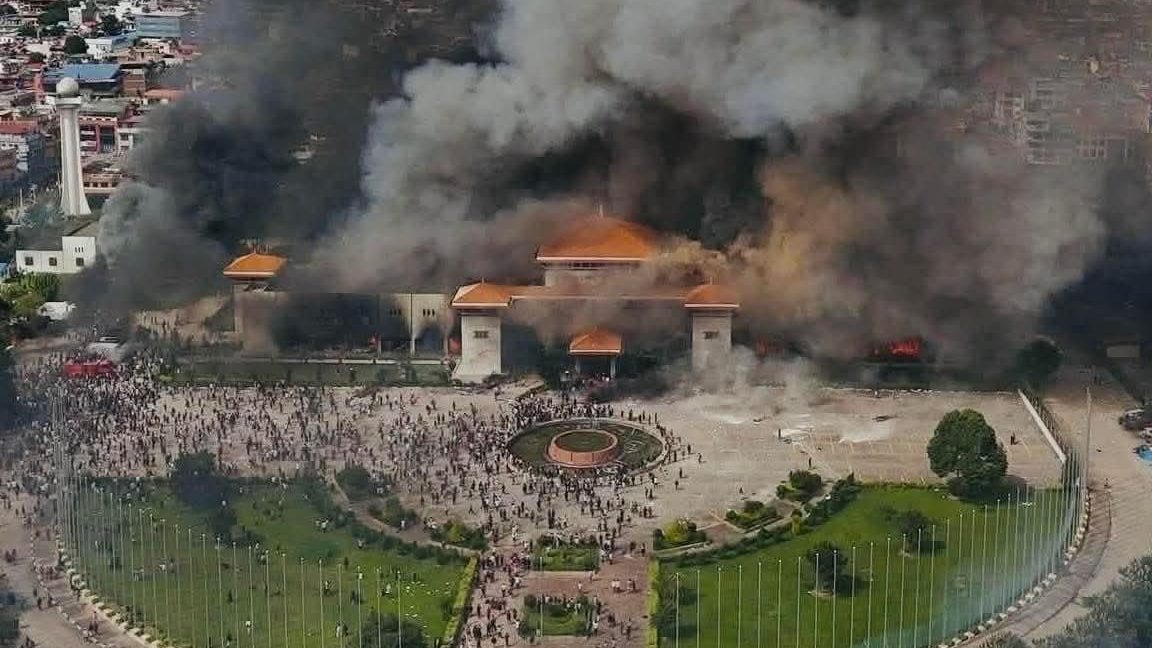
The streets of Kathmandu, the capital of Nepal, recently became a river in full of young people determined to change the course of history. The squares were filled with demonstrators who have burned government buildings, intoned slogans against corruption and openly challenged power. In short, the role of young people in the protest movements appears central if we think of recent events in Nepal and as the Z generation, in different global contexts, is collecting the legacy of the great mobilizations of the twentieth century, combining traditional and digital activism to challenge inequalities, corruption and authoritarianism.
The twentieth century: youth protests shake politics
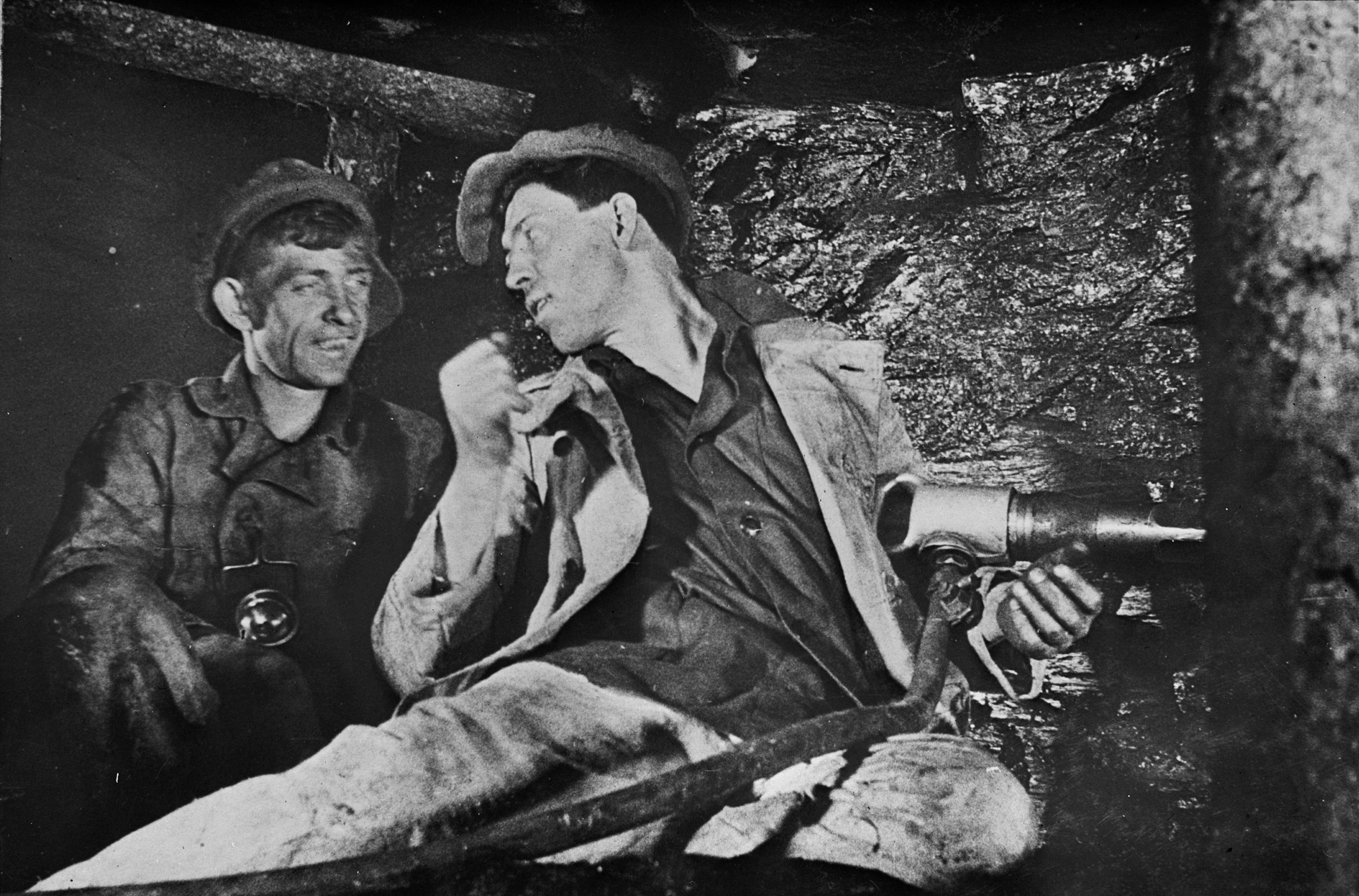
In the last century, the young people had more than the concrete reasons to engage in actions of change, between political repression, social inequalities and conflicts on a global scale. Even during the two world wars there was no lack of revolutionary commitment, between the fall of the Tsarist regime in Russia (1917) and the birth of the Resistance in the 1940s as a movement of armed and civil opposition against Nazi employment.
However, the sixties represent a real watershed for the development of protests in western countries: in this period, political activism becomes synonymous with youth culture and a series of movements challenges political power by promoting ideals of peace, freedom and equality. In particular, the movement of the sixty -eight, born in the USA with the protest of the students of the University of Berkeley, quickly spreads to Europe. From the protests of May 1968 in France and in other European countries, to the demonstrations against the war in Vietnam, at this stage young people contribute to promoting social change.
Youth protests do not stop in the West: in April 1989, Beijing students kick off a pro-democracy movement that culminates in a large-scale protest in Piazza Tiananmen, with a violent military response from the Chinese government. In the same year, the fall of the Berlin Wall and the dissolution of the Soviet Union lead to peaceful revolutions in Poland, Hungary, Czechoslovakia and Romania.
The difference between the Z and Millennial generation
The Z generation seems to have fully collected the witness from the most active generations on the political front, mobilizing in a way that distinguishes it from its predecessors, especially from the millennials. Raised against the background of the 2008 economic recession, the Gen Z had to face a series of unique obstacles of their kind. Despite being the most educated generation, he has experienced a high unemployment rate and considerable economic instability. In countries such as Nepal or Indonesia, economic difficulties were one of the triggering causes of protests.
In addition to unprecedented social disorders and divisions, the path of Gen Z towards adulthood was complicated by pandemic and the climatic crisis. Unlike the millennials, which have often absorbed difficulties without public demonstrations, the Z generation has repeatedly vented its anxieties with vocal activism. According to a survey carried out in the United States, a third of the members of the Gen Z (32%) is regularly engaged in activism and social justice (compared to 24%of millennials): among university students, the percentage rises to almost 40%.
Furthermore, while previous generations have supported basic activism and the manifestations of person, the Gen Zs have led to this activity also in the digital spaces, mobilizing and creatively expressing their civic identity, even with the memes. Social media also allowed young people to access information, organize and mobilize quickly, allowing the birth of decentralized movements and without leaders who can spread globally.
The revolution of July 2024 in Bangladesh confirmed this trend, demonstrating how digital natives can challenge politics. The protests guided by the students was triggered by the government shares system for the jobs of the public sector, perceived by many as a discriminatory. The movement quickly gained consensus through platforms such as Tiktok and Telegram, which facilitated the rapid organization of events and the dissemination of information, up to the fall of the leader Sheikh Hasina.
Even Sri Lanka in recent years has been the scene of important protests that have led to the dismissal of President Gotabaya Rajapaksa, fueled by the discontent widespread for the bad management of the economy and political corruption. Last year the People’s Struggle Alliance (PSA) was established, a coalition of former student activists and left -wing political groups, with the aim of continuing to promote systemic change in the country.