Louis XIV of Borbone, king of France for 72 years and 110 days (although in the first 18 years of kingdom he did not personally administer power), is currently considered the king who has sat longer on the throne. Behind him, in the ranking of the longest -lived sovereigns, Elizabeth II of the United Kingdom are placed (more long -lived queen), Bhumibol Adiyadej of Thailand, John II of Liechtenstein and the sovereign Maya Pakal the Great. Kings and queens, except exceptional cases, sit on the throne for life. As a result, if crowned when they are very young, they can remain in power for many years. Other sovereigns in addition to those mentioned perhaps have reigned even longer, but there are no certain sources or it is not clear if they had the status of king.
- 1uigi XIV of France
- 2elisabetta II of the United Kingdom
- 3bhumabol adullyadej of Thailand
- 4Giovanni II of Liechtenstein
- 5pacal the Great of Palenque
- 6Sovrani who cannot be recognized as such for lack of sources
Louis XIV of France
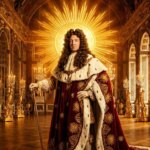
The sovereign who can be considered longest -lived is Louis XIV, the Sole King, who sat on the throne of France from 14 May 1643 to death, which arrived on September 1, 1715.
In total, Louis XIV was king of France for 72 years and 110 days. The sovereign ascended to the throne when he was less than five years old (he was born on September 5, 1638) and in the early years of the kingdom he did not personally administer power. He took control of the state only in 1661, upon the death of Cardinal Mazzarino, who until then had governed in the name of the sovereign. In the years of his kingdom Louis XIV centralized power in his hands bringing monarchical absolutism to extreme consequences, summarized in the expression “Etat C’est Moi “that is, “the state is me”, a phrase never pronounced by the sovereign, but equally emblematic of its management of power.
Elizabeth II of the United Kingdom
In second place is a recently disappeared sovereign: Elisabetta II of England, on the throne since February 6, 1952, when his father Giorgio VI died, on death, which came on September 8, 2022.
In total, Elisabetta II reigned for 70 years and 214 days. During his long kingdom, he was not only queen of the United Kingdom, but also of the other realms of the Commonwealth, although, due to the decolonization, in the period in which he was Regina he lost the ownership of some kingdoms. Among other things, it was formally head of state of Canada, Australia and New Zealand. Elizabeth, however, has not really managed the power neither in the United Kingdom nor elsewhere, having the British monarchy ceremonial and representative functions.
Bhumibol adullyadej of thailand
After the Sole King and Elizabeth II, in the ranking of the longest kings there is a sovereign who is much less known in the West: Bhumibol Adiyadej, king of Thailand from 9 June 1946 to death, which occurred on 13 October 2016, for a total of 70 years and 126 days.
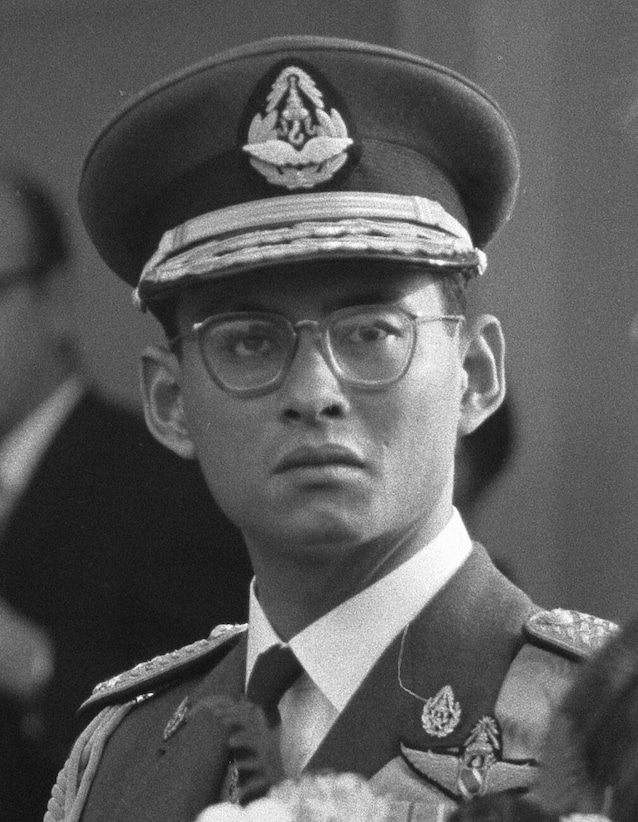
The reign of Bhumibol was very important in the history of Thailand and restored prestige to the royal house, to the point that in 1987 the sovereign was awarded the title of Rama IX the Great. Bhumibol was a constitutional monarch, but intervened several times in the political life of his country.
John II of Liechtenstein
John II was the prince of Liechtenstein from 12 November 1858 to 11 February 1929, for a total of 70 years and 91 days. His long kingdom was characterized by the emanation of the first constitution of the country and for the promotion of the arts. The brother Francesco I succeeded him.
Pacal the Great of Palenque
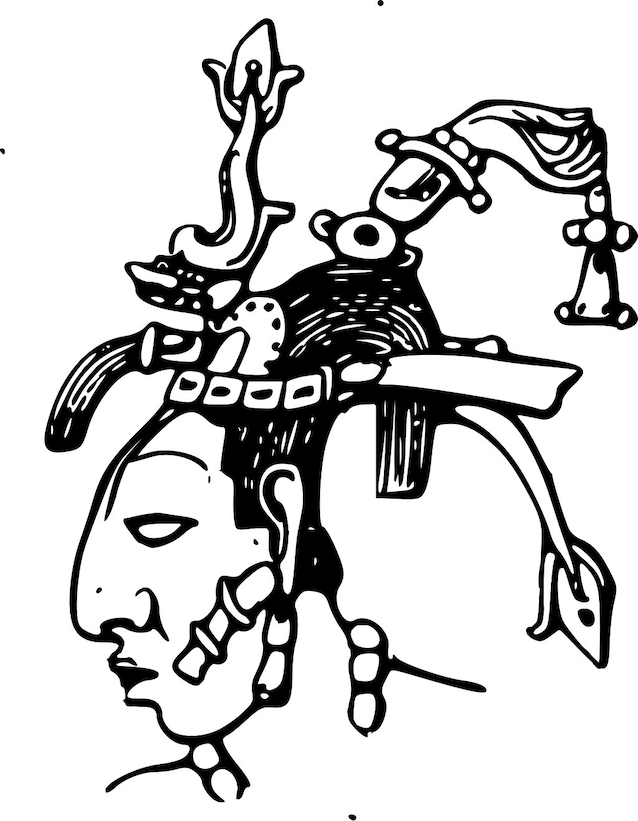
The fifth longest kingdom in history dates back to a much older era: the seventh century AD from 29 July 615 to 31 August 683, for a total of 68 years and 33 days, on the throne of the Maya sitls Pacal K’Aneich Janaab, better known as Pacal the Great. The sovereign, known for the wars conducted against nearby cities, had its capital in the city of Palenque and the remains of its building can still be visited today.
Sovereigns that cannot be recognized as for lack of sources
Some sovereigns have probably reigned longer than those present in the ranking. However, in some cases it is not certain that they can be considered king, being subject to another authority; In other cases, sources do not allow to know precisely what the kingdom period was. An example of the first case consists of Sobhuza II, which was Swaziland’s sovereign (today Eswatini) from 10 December 1899 to 21 August 1982, for a total of 82 years and 254 days. However, until 1968, Swaziland was a British protectorate and, formally, the head of state was the sovereign of England. Only after the independence Sobhuza assumed the title of king, although, in fact, he had already exercised first monarchical powers.
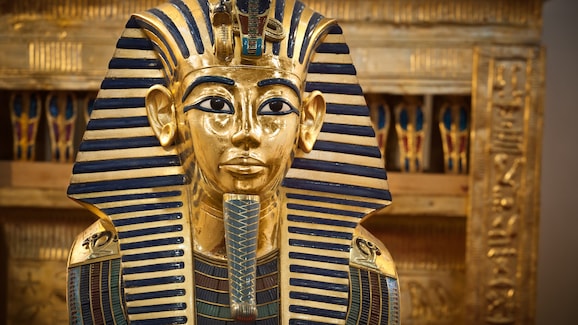
Among the sovereigns for which we do not have certain sources include numerous cases dating back to the oldest eras. An example consists of the Pedi Pepi II Neferkara, a sovereign of the VI Egyptian dynasty, which would have reigned from the year 2278 AC to death, which occurred between 2214 and 2184 AC if the death date of 2184 was confirmed, Pepi II would have reigned for 94 years. It is not possible, however, to ascertain it and, consequently, the longest -lived primacy of Sovereign in history still belongs to Louis XIV of France.
Among the other sovereigns who have reigned for a long time, Francesco Giuseppe of Austria includes the king against whom the Italians fought the Risorgimento wars, on the throne from 2 December 1848 to 21 November 1916; Victory of the United Kingdom, which he reigned from 20 June 1837 to 22 January 1901, giving his name to an era of English history; The Japanese emperor Hirohito, on the throne from 25 December 1926 to 7 January 1989, with significant changes in his position after the Second World War.