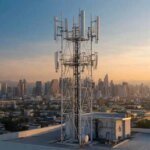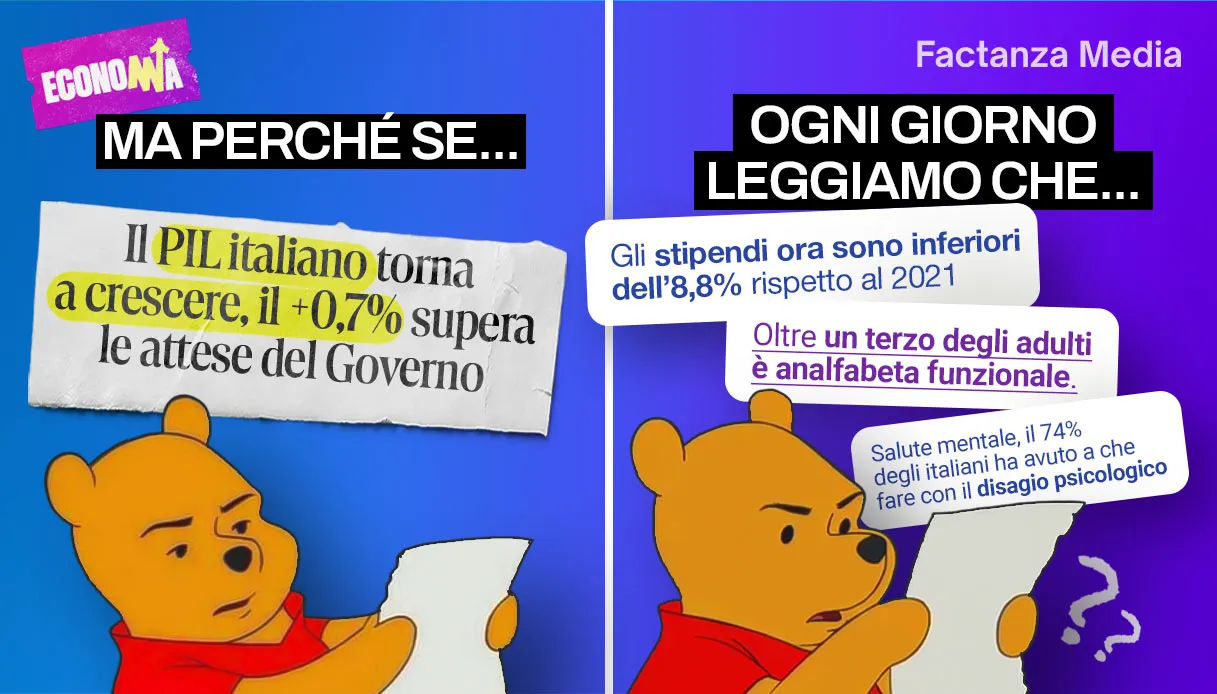
When we hear on the news that “GDP grew by 1.2%” or that “GDP is decreasing”, we almost automatically perceive the news as good or bad. Gross Domestic Product has become the thermometer with which politicians, the media and public opinion measure the economic health of a country. But as a summary indicator, GDP has important limitations that are critical to understand.
What is GDP and how is it calculated
GDP, or Gross Domestic Product, is the total value of all final goods and services produced within a country in a given year.
To concretely understand how it works, let’s imagine an oversimplified economy: if in a year 10 chairs costing 10 euros, 5 smartphones costing 200 euros and 20 psychotherapy sessions costing 60 euros each are produced and sold, the GDP of that economy will be equal to 2,300 euros. To understand the scale of magnitude, Italy’s GDP in 2025 was approximately 2,258 billion euros, according to ISTAT data.
There are three different methods to calculate it – from the production, spending or income side – but the end result is the same: a figure that summarizes the country’s overall economic activity.
Why is GDP used as an indicator of well-being?
The association between GDP and quality of life is not without foundation. During the twentieth century, and still today in the countries of the global South, GDP growth was accompanied by concrete and measurable improvements: access to medical care, education, infrastructure, basic necessities.
A higher GDP generally means a greater availability of resources for citizens. From here, however, a simplification arises.
The limits of GDP: what it cannot measure
The problem is that this equation is incomplete. And economists have known this for decades. There are several aspects of an economy that GDP fails to measure.
The GDP does not include the black market, barter, domestic self-production and, above all, unpaid care work: those who look after children or elderly parents, those who cook, those who manage the home. Activities that have a real economic value, but which do not appear in any official budget item.
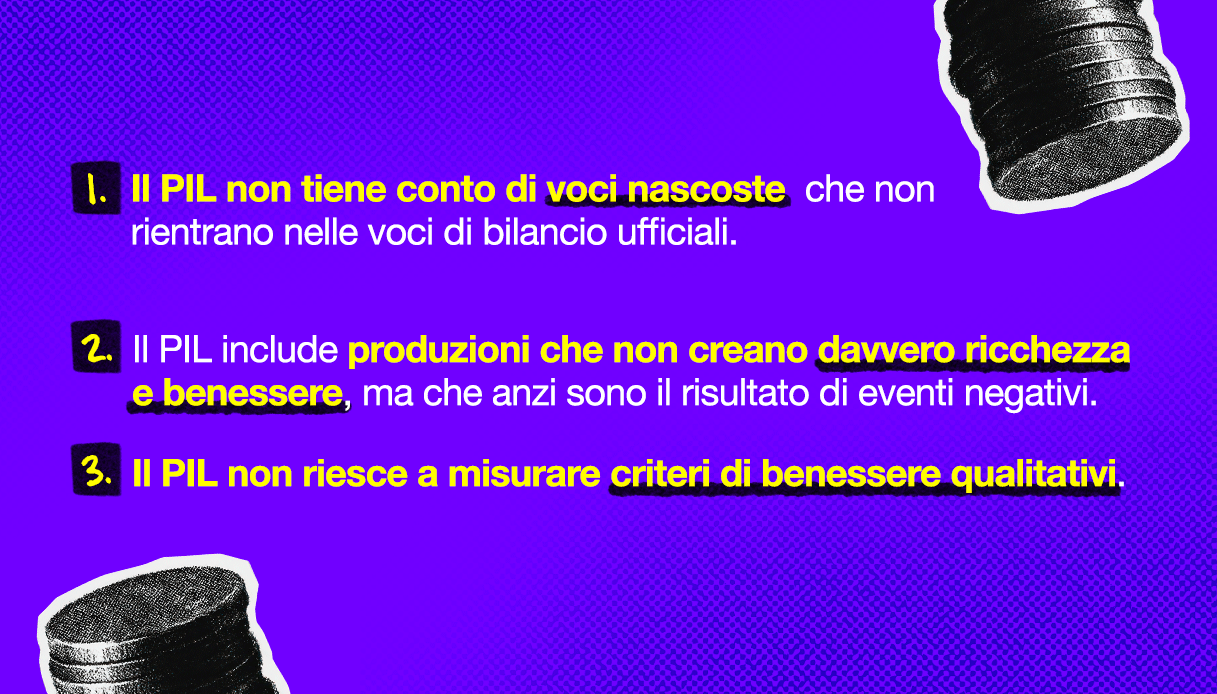
One of the most counterintuitive distortions of GDP, then, is that it does not distinguish between expenditures that generate well-being and expenditures that are the response to negative events. An increase in thefts leading to the massive installation of alarm systems increases GDP. The same goes for reconstruction after an earthquake, increased pharmaceutical spending or industries related to the war economy.
High inflation, public works of little use or speculative bubbles can increase GDP without any real improvement in the real economy.
GDP does not even measure the quality of life, or the distribution of wealth
Freedom of the press, mental and physical health, level of education, social cohesion: all dimensions that have a profound impact on people’s well-being, but which the GDP completely ignores. China, for example, has one of the highest GDPs in the world, but the civil liberties of its citizens – according to Western parameters – are severely limited.
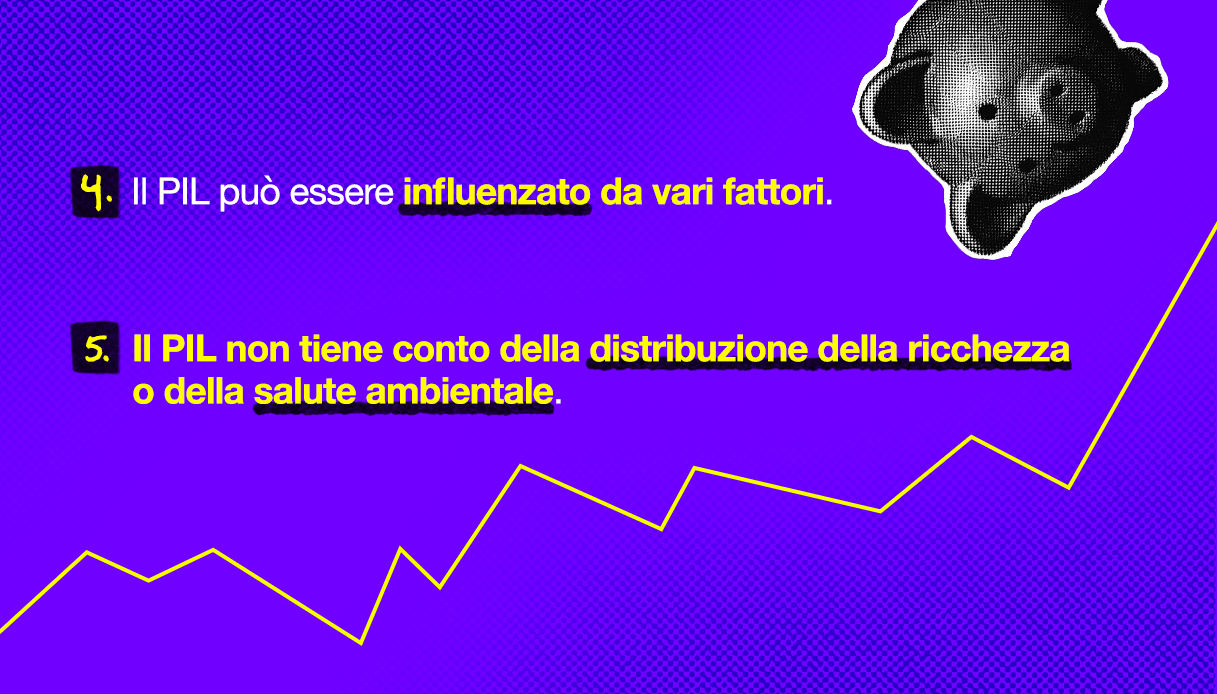
Furthermore, a country can have a very high GDP with an extremely unequal distribution of wealth. Saudi Arabia is an emblematic example: GDP per capita is high thanks to oil exports, but there are strong internal economic disparities. Added to this is another problem: oil production contributes to GDP, but it also contributes to climate change.
Do we have more precise tools?
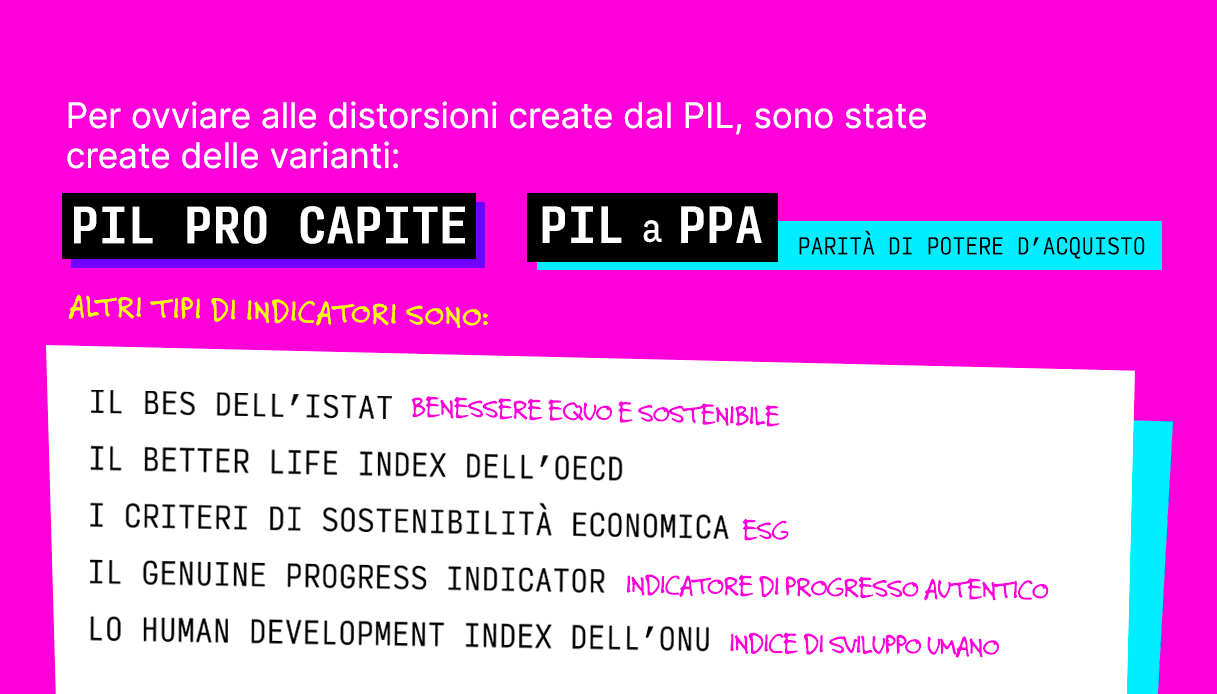
To correct some of these distortions, alternative indicators or variants of the same GDP have been developed over time.
GDP per capita, for example, divides the total value by the number of inhabitants, offering a more useful measure for comparing how much of the economy is available to citizens of countries with very different populations.
GDP at purchasing power parity (PPP) instead takes into account the cost of living in different countries, allowing for fairer comparisons. It is for this reason that, despite having a nominal GDP lower than that of the United States, China is the world’s leading economy in terms of GDP at PPP: in China goods and services cost less on average, and real purchasing power must be considered accordingly.
But there are alternatives
In recent decades, economists and international institutions have developed more complex tools to measure the real well-being of a population. Among the most relevant are:
- BES (Equitable and Sustainable Wellbeing) by ISTAT: monitors 12 dimensions of well-being, from health to social relationships, from safety to the environment.
- OECD Better Life Index: allows you to compare well-being in OECD countries across 11 dimensions, with the possibility of customizing the weights based on your priorities.
- UN Human Development Index (HDI): combines income, life expectancy and education level.
- Genuine Progress Indicator (GPI): starts from GDP but adds or subtracts items such as the value of volunteering, the costs of crime, environmental degradation.
- ESG criteria: integrate environmental, social and governance factors into the economic evaluation of companies.
This distinction matters to us too
Knowing the limits of GDP is essential to gain awareness of how political and media narratives are constructed, and what objectives are – or are not – pursued.
When a government builds its consensus on GDP growth as a primary objective, it risks neglecting equally important dimensions: air quality, social cohesion, the sustainability of public debt, the reduction of inequalities. Increasing GDP “at any cost” may represent a short-term electoral promise.
The economic and social reality is complex. To read it well you need tools that are up to this complexity, and the awareness that no number alone tells the whole story.