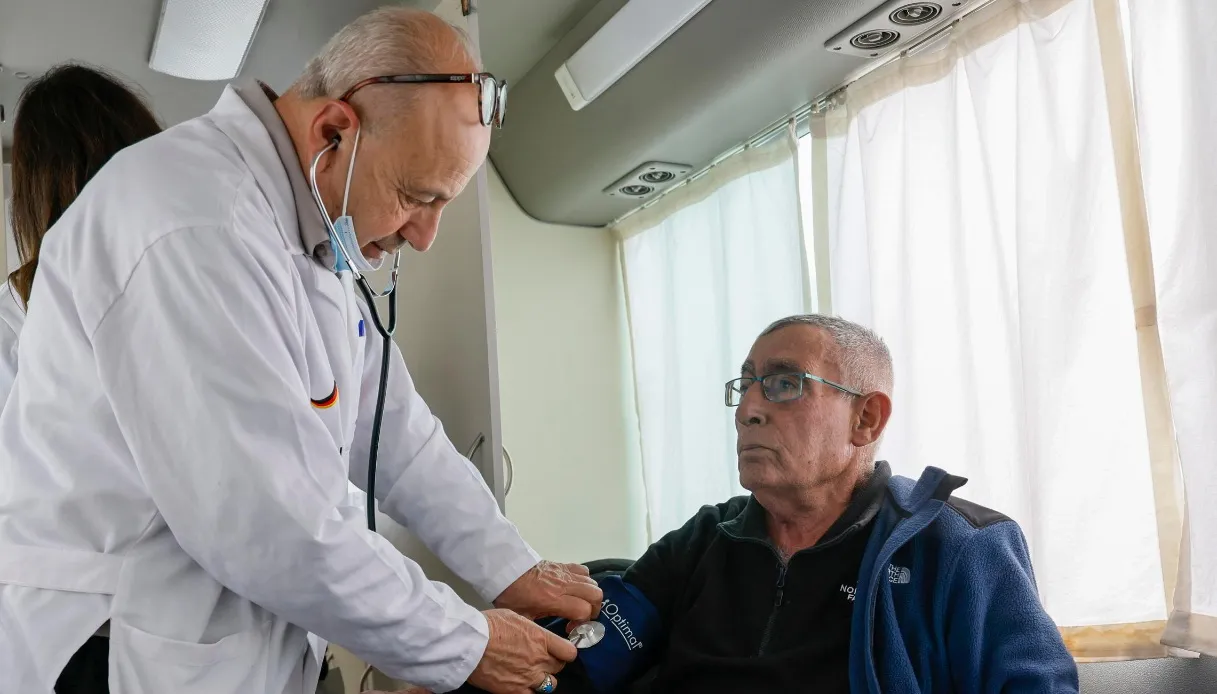
In recent days the Minister of Health, Orazio Schillaci, presented a draft law decree to the Conference of Regions. The text aims to deeply reform the role of general practitioners in Italy. The provision, expected in the Council of Ministers by May 2026, aims to make the family doctor the fulcrum of the new Community Homes (CdC). These are local health facilities financed with Pnrr funds.
However, doctors’ unions, political parties and trade associations have come out against the decree.
The reform in summary
First of all, it must be explained that the heart of the decree is the so-called dual-channel model. The agreement with the local health authorities remains the ordinary path, but is profoundly reformed with new organizational obligations.
At the same time, doctors will be able to choose, on a voluntary basis, to become public employees of the National Health Service, as already happens for their hospital colleagues. It will be a gradual and selective path, designed to cover the most complex functions of the local healthcare system. The new obligations envisaged for those who remain affiliated include:
- scheduled presence in community houses;
- work in multidisciplinary teams with nurses, specialists, psychologists and social workers;
- use of interoperable information systems;
- structured care of chronic and fragile patients;
- adherence to audits, checks and monitoring.
The remuneration also changes. Today doctors are paid based on the number of patients; with the reform, however, the salary will be linked to participation in the territorial network and the achievement of clinical objectives.
Because doctors are against it
The reaction of the main trade unions was clear. The Italian Federation of General Practitioners (Fimmg) defined the measure as a decree that “will destroy the family doctor”. Fimmg disputes at least two technical criticisms
the decree subordinates access to dependence to specialization in general medicine, ignoring that for decades the two training paths were incompatible (…) the entire generation of general practitioners currently in practice who were unable to obtain the specialty would thus find themselves excluded or penalised.
The second critical issue concerns young doctors and would expose them to the risk of “mass abandonment of local medicine, especially in the most fragile areas”.
Because even politics slows down
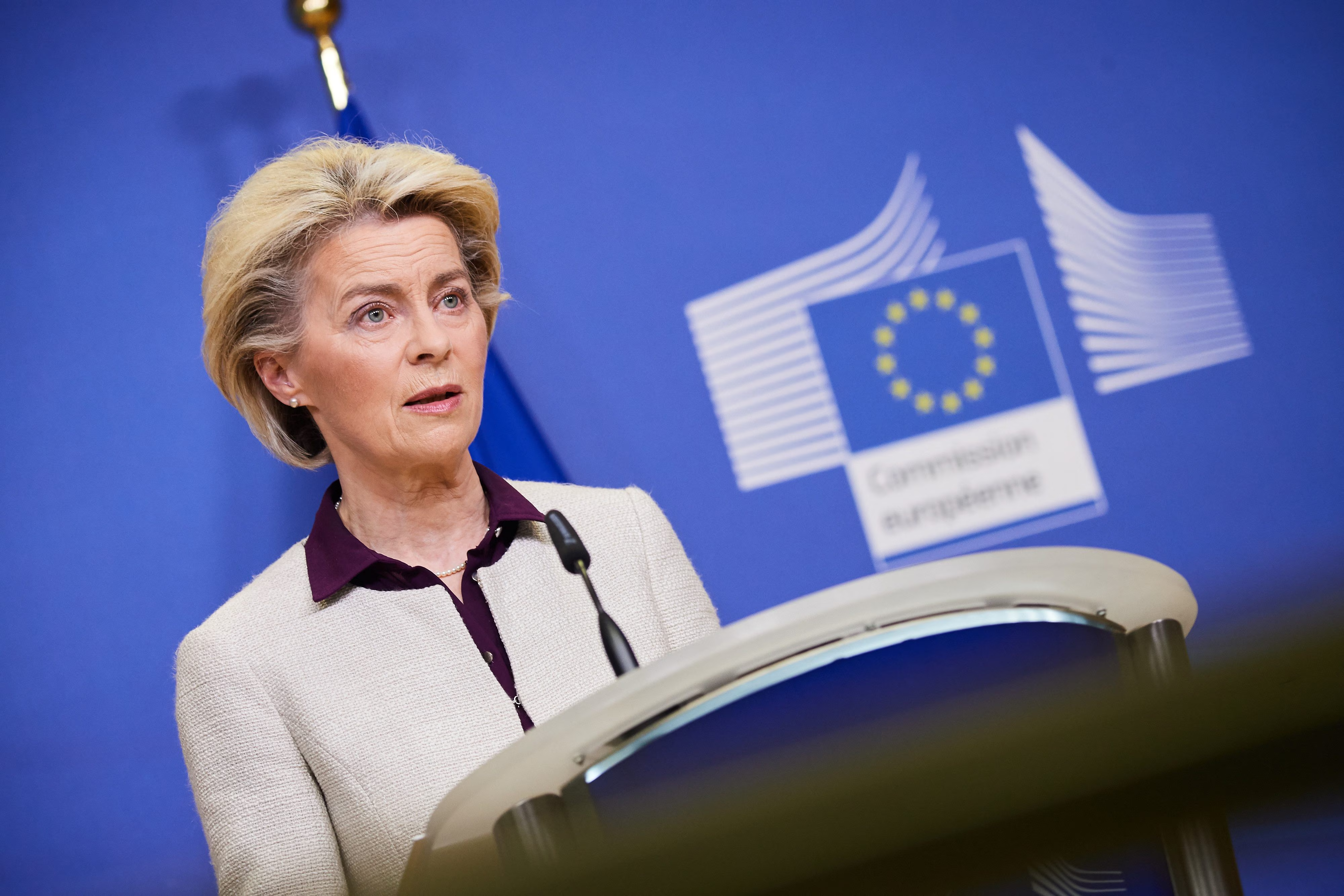
Criticism also comes from within the governing majority itself. Forza Italia has openly taken a stand against the transformation of family doctors into “anonymous bureaucrats locked in community homes”. The president of the party’s senators, Stefania Craxi, asked for an act of direction to modify the agreement system, focusing on associated firms and maintaining “availability, trust and proximity”.
The deputy prime minister and leader of Forza Italia, Antonio Tajani, was even more direct:
thinking of making family doctors become employees of the NHS must be excluded, because the relationship of trust with citizens must not be hindered but enhanced.
Tajani also recalled that Forza Italia has already presented its own bill in Parliament, which aims to maintain an independent relationship for family doctors, while providing for some hours per week in community homes, in coordination with the regional health system. From the opposition, the Democratic Party criticized above all the method, highlighting the absence of a structured text and the lack of involvement of interested parties.