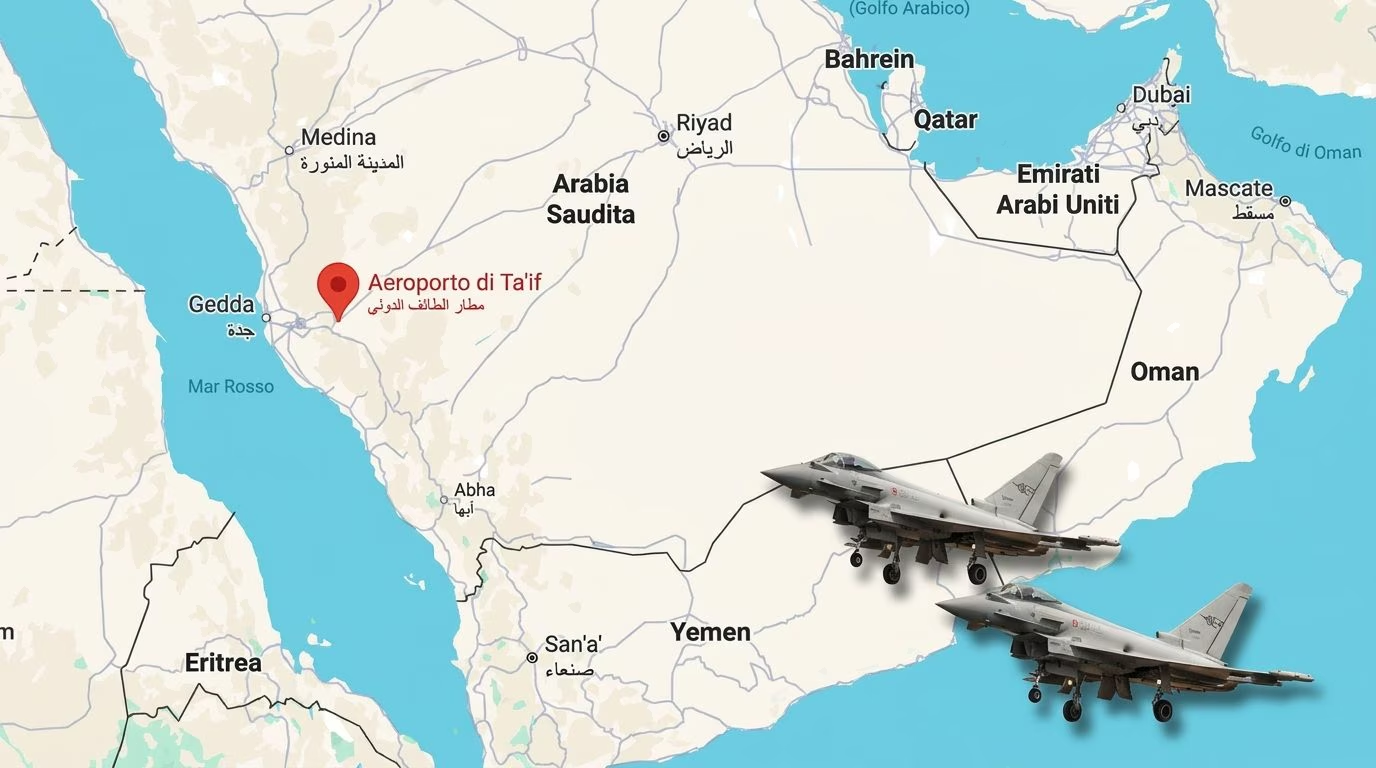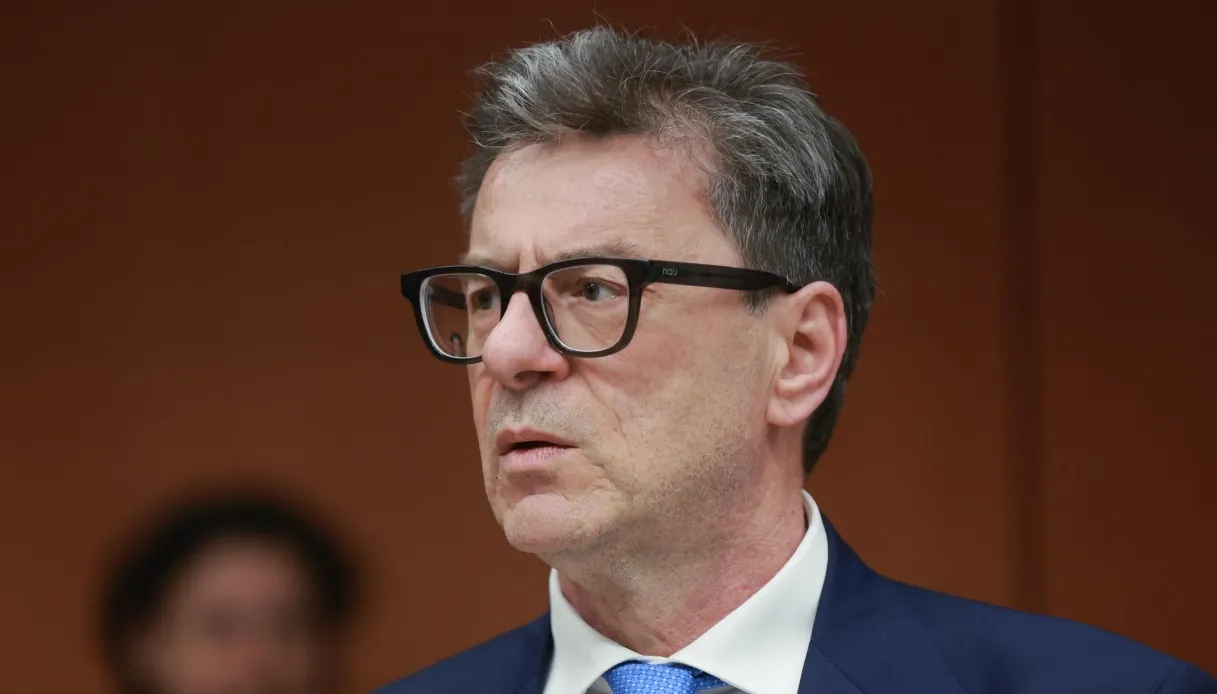
The Minister of Economy and Finance Giancarlo Giorgetti has proposed using the national safeguard clauses envisaged to exclude defense spending from European constraints also to counter the energy crisis. This is a new attempt by the Government to deficit spend to intervene against the increase in prices caused by the war in Iran.
However, the European Commission reiterated that, at the moment, there is no such energy shock in Europe as to require concessions on debt and deficits for member states. The EU then underlined the role of ETS, carbon dioxide emissions credits, in reducing the consumption of fossil fuels and combating the crisis.
Giorgetti’s proposal for deficit measures against the energy crisis
National safeguard clauses are exceptions that, in particular cases, the EU can grant to member states to allow them to make more deficits than the treaties allow without incurring infringement procedures. Running a deficit for a state means spending more than it collects in taxes and Italy, even if only briefly, is already above the European parameter of 3% in this metric.
It cannot therefore run a further deficit, and therefore effectively has no funds to combat the energy crisis. However, Italy can already activate some safeguard clauses today, those provided for by the Readiness 2030 plan, ex ReArm Eu. These clauses would allow our country to spend 1.5% of GDP in deficit without this counting as a European parameter until 2028. The problem is that these funds must be spent on defense.
Giorgetti’s proposal, put forward to the European Commission, consists of activating the safeguard clauses of Readiness 2030, but using the funds to combat the energy crisis. Unlike 17 other countries, in fact, Italy has not yet activated them.
The EU’s response to Giorgetti’s proposal
European Commissioner for Economy Valdis Dombrovskis responded to Giorgetti with a firm “no”. At the moment, the Commission believes, the crisis is not serious enough to justify a budget deviation, in any formula. In the words of the commissioner:
We obviously continue to work closely with Member States, including Italy, to develop this fiscal policy response. But for the moment our advice is to stick to temporary and targeted measures, with a limited fiscal impact.
The “measures with limited fiscal impact” could be those to reduce demand, which Italy has not yet implemented. These are rules that reduce the consumption of diesel and petrol, leading to a decrease in prices. Some examples can be:
- encouraging remote working;
- strong discounts or free public transport;
- car-free Sundays in the city.
The role of ETS in the energy crisis
The effectiveness of demand reduction rules has been demonstrated on a large scale by the ETS, the European emissions trading system. In fact, each European company can only emit a certain number of tonnes of CO2 per year. If it wants to issue more, it must purchase credits. It can obtain them at auction from states, or from companies that emit less than they are allowed.
According to EU estimates, without this system companies would consume 100 billion standard cubic meters of gas more. This would increase demand and therefore the price of gas. To give a term of comparison, in a year the whole of Italy consumes approximately 61.5 billion standard cubic meters of gas.