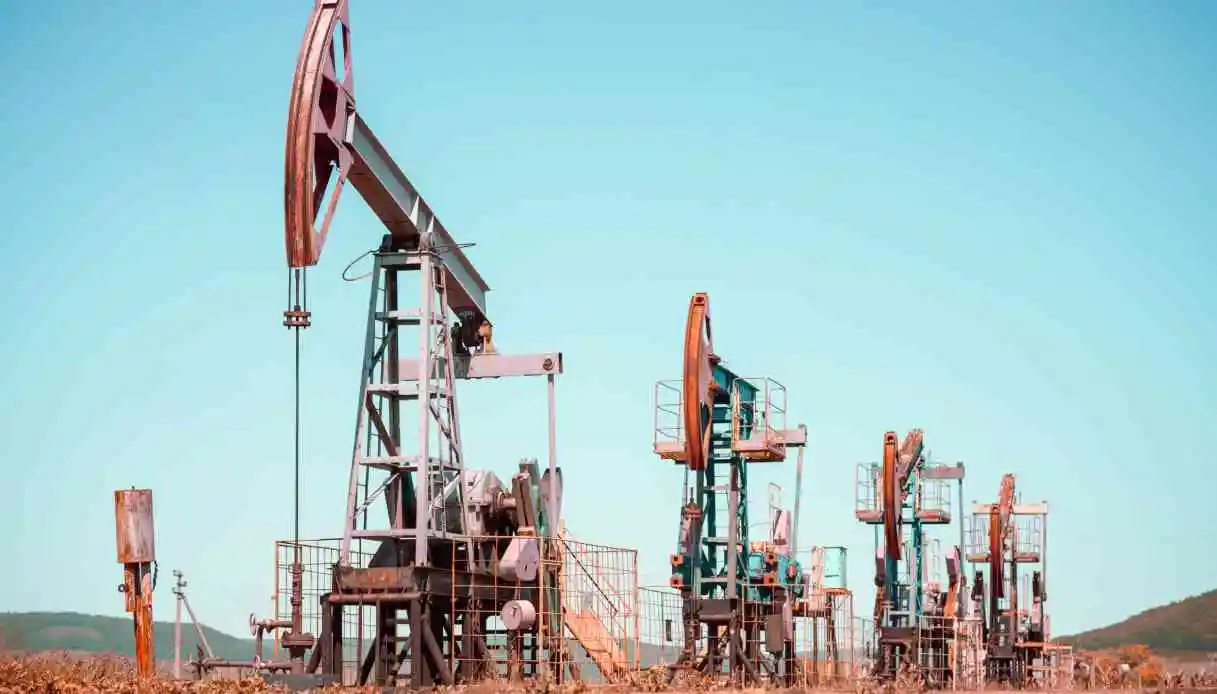
Strong wave of optimism on global markets after rumors about an imminent agreement between the United States and Iran triggered a sudden reduction in the geopolitical risk premium incorporated into crude oil prices. The barrel fell below the psychological threshold of 100 dollars, bringing a sigh of relief to investors after weeks of volatility linked to the conflict in the Middle East.
An agreement between Washington and Tehran is close
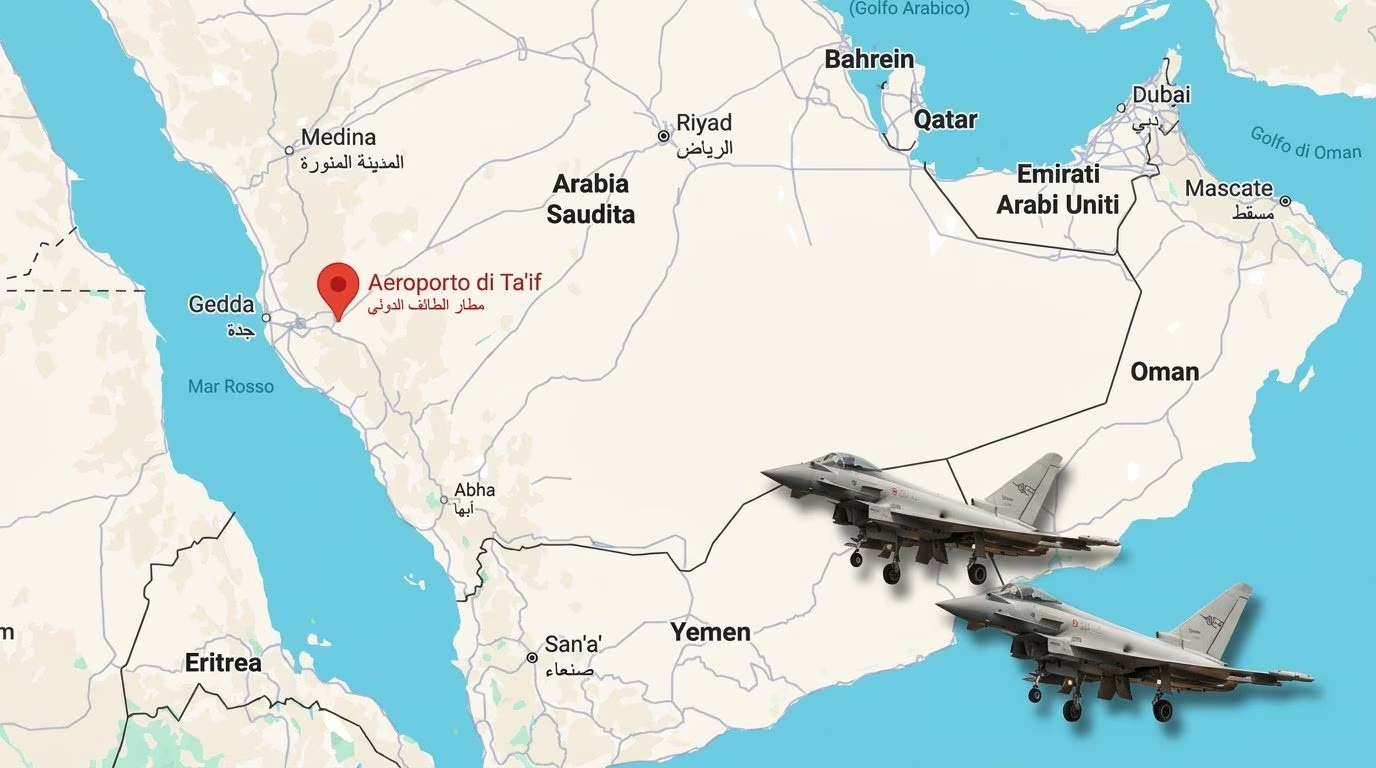
According to Axios, Washington and Tehran are close to finalizing a memorandum of understanding to end the conflict and begin broader negotiations on Iran’s nuclear program. The deal would include a gradual removal of restrictions on transit through the Strait of Hormuz, an Iranian moratorium on uranium enrichment, the easing of U.S. sanctions and the release of billions of dollars in frozen Iranian funds. A Pakistani source involved in the diplomatic efforts confirmed to Reuters that the two sides were “very close” to finalizing the agreement.
Beijing’s role is also decisive. Chinese Foreign Ministry spokesman Guo Jiakun said China supports the parties’ continued political and diplomatic efforts to achieve a full and lasting ceasefire between the United States and Iran, maintaining stability in the Gulf. “The current situation is in a critical phase”, underlined Guo, indicating as an urgent priority that of avoiding a resumption of fighting in any way. Trump himself has publicly acknowledged the contribution of the Chinese leadership in persuading Tehran to accept the plan that forms the basis of the talks.
The contents of the agreement
The agreement, mediated by Pakistan and China, provides for a two-week suspension of hostilities in exchange for the safe opening of the Strait of Hormuz, through which about a fifth of the world’s oil transits.
Iranian Foreign Minister Abbas Araghchi confirmed Tehran’s acceptance, declaring that safe transit through the Strait will be possible for two weeks in coordination with the Iranian armed forces. For operators, attention now shifts to the sustainability of the agreement: if it holds up in the medium term it would open up space for a reabsorption of the inflationary premium linked to energy, with potentially accommodating repercussions on monetary policy expectations.
The immediate and marked correction of crude oil
WTI took a major step back, trading around 91.71 dollars (-10.3%), while Brent fell to 99.65 dollars (-9.3%). The correction triggered a wave of buying in stock markets.
The movement has spread to all asset classes. American futures on the S&P 500 and Dow Jones show a fractional rise and those on the Nasdaq 100 are ahead by about half a point, about an hour and a half after the start on Wall Street. In Europe, the Stoxx 600 index rose by more than 1%, while yields on 10- and 30-year US Treasuries fell to their lowest levels in about a week. On Piazza Affari, the FTSE MIB moved higher (+0.84% to 48,968 points), while the EUR/USD gained 0.80%, reaching above 1.178, reflecting the weakening of the dollar as a safe haven.
Caution expressed by analysts
Goldman Sachs warned that global oil inventories are approaching their lowest levels in eight years, a sign that the physical market remains structurally tight beyond the easing phase.
ING analysts – Ewa Manthey and Warren Patterson – recalled how the uncertainty around the Strait of Hormuz remains at the center of attention, with the risk that hostilities could reignite.