The continuous closures of the Strait of Hormuz, through which about a fifth of the world’s oil passes, have dramatically increased energy costs. According to the estimates of theCgia Mestre research officein 2026 Italian families and businesses will have to bear almost 29 billion euros in extra costs for petrol, diesel, electricity and gas compared to the previous year. The overall increase stands at 16%. The bill is paid unevenly across the national territory: the North pays more in absolute value, the South in percentage.
The biggest expenses are petrol and diesel
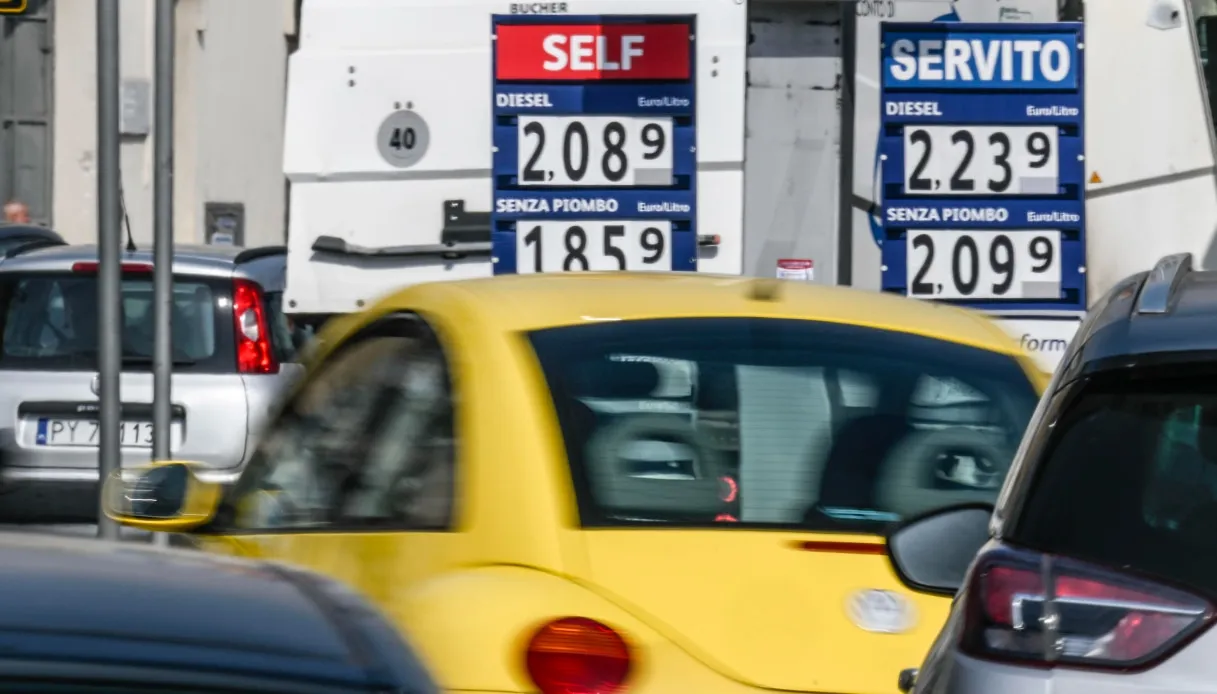
The heaviest item is that of fuel. With the price of petrol and diesel stable around 2 euros per litre, the Cgia estimates an increase of 13.6 billion euros compared to 2025, equal to an increase of 20.4%.
This is followed by electricity with 10.2 billion (+12.9%) and gas with 5 billion (+14.6%).
The estimates are based on average prices assumed for 2026 of 1.95 euros per liter for petrol and 2.05 for diesel, with constant consumption compared to the previous year. For electricity and gas, the reference values are 150 and 50 euros per MWh respectively.
North and South: who pays more in Italy
In absolute terms, the most affected regions are those with the highest concentration of businesses and inhabitants:
- Lombardy with 5.4 billion in extra costs;
- Emilia-Romagna with 3 billion;
- Veneto with 2.9 billion;
- Lazio with 2.3 billion.
The picture is reversed when looking at the percentage changes. The most expensive increases are in:
- Calabria with an increase of 17.8%;
- Sicily with an increase of 17%;
- Campania with an increase of 17%
Overall, the South recorded price increases of 16.8% compared to 15.2% in the North West. The gap is explained by the greater weight of fuel on energy spending in the South (21.1% versus 19.6%) due to a less developed infrastructure network.
The Government’s anti-price rise measures
The bill decree, approved by Parliament at the end of March, is worth around 5 billion euros. As an extraordinary measure, it provides for a bonus of 115 euros on the electricity bill for the most economically fragile families, higher ISEE thresholds to broaden the number of beneficiaries of the social bonus and a reduction in system charges for businesses.
On the fuel front, an excise duty cut of 20 cents per liter on petrol and diesel has been in force since 19 March. From May 2nd the reduction dropped to 5 cents for petrol, remaining unchanged for diesel. The cost to the state coffers is around one billion per month. The measure should expire on May 22, but given the situation the Government could extend it further.
The requests of the CGIA Mestre
For the Cgia Mestrethe Executive’s measures are necessary but insufficient to sterilize an energy shock of this magnitude. The association calls for a structural intervention from the European Union which includes:
- the temporary suspension of the Stability Pact to allow member countries to contain the cost of energy without impacting the deficit;
- the VAT cut on bills;
- the cap on the price of gas;
- a solidarity contribution on the extra profits of the energy giants.
The decoupling between gas prices and electricity prices also remains on the table. In the European market the latter remains linked to the former even when the energy is produced from renewable sources. This is a measure that was much discussed even before the war in Iran and was never implemented, which the CGIA now considers indispensable to reduce the exposure of the European market to such violent variations.