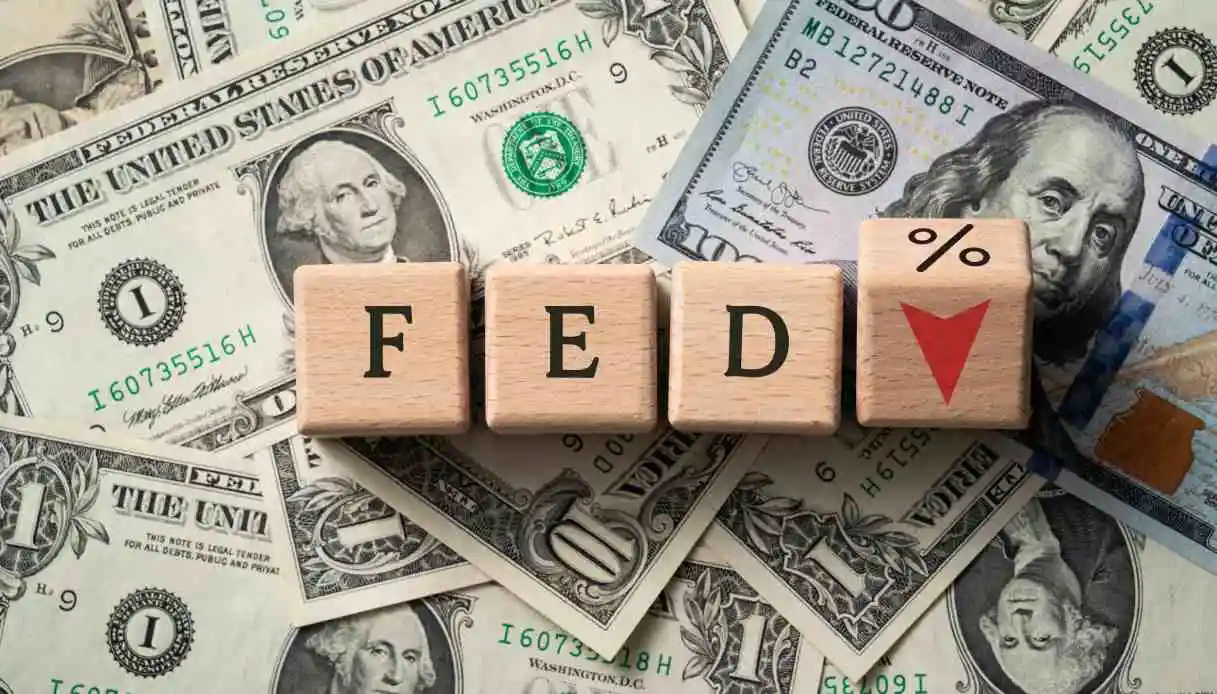
The massive sell-off in government bonds is testing one of the markets’ most long-held beliefs: that Treasuries and other high-quality debt instruments can protect portfolios when stocks fall. Long-dated bonds have come under pressure since the start of the war with Iran, as investors demand more compensation for risk related to inflation, the strength of the US economy and the expected increase in bond supply caused by deficit spending.
The 30-year Treasury yield rose well above 5% this month, before attracting new buyers. The 60-day correlation between the S&P 500 and Treasury is at its highest in over twenty years, a sign that bonds tend to amplify market fluctuations rather than reduce them.
This puts pressure on the traditional 60/40 model, which relies on bonds for diversification and stability. Under normal conditions, Treasuries rise when stocks fall, in an increasingly weak negative correlation today. Despite this, few investors are ready to question the role of Treasuries as a safe haven asset. The US bond market remains the most liquid and deep in the world, with the debate turning to the choice between short or long maturities.
High inflation and slowing GDP
On the macroeconomic front, the picture remains complex: slowing growth and still high inflation.
The Commerce Department revised first-quarter GDP downward to 1.6% annualized from 2.0% previously, against expectations for confirmation. The revision reflects lower inventory investment and weaker consumer spending.
Meanwhile, the PCE index, the Fed’s preferred measure, rose 3.8% year-on-year in April, the highest since May 2023 and in line with expectations. In March it was 3.5%. The monthly figure rose by 0.4% after the previous +0.7%.
Core PCE increased 3.3% annually (from 3.2%), with +0.2% monthly following +0.3%.
Analysts divided between stagflation and economic resilience
For Peter Cardillo (Spartan Capital Securities), the data clearly points to a stagflation problem: weak growth and high inflation that bring a rate hike closer than a cut.
For Angelo Kourkafas (Edward Jones), the PCE does not change the narrative: the data is not worse than expected and the focus remains on geopolitics, oil and AI, which continue to influence inflation and demand.
Joel Kruger (LMAX Group) instead highlights a more positive reading: weaker core inflation and growth under control support risk-on sentiment and reduce pressure on the Fed.
Adam Hetts (Janus Henderson) highlights how inflation still above 3% and GDP revised to 1.6% indicate a resilient economy, capable of withstanding geopolitical shocks and price pressures.
Fed: AI not enough to stop inflation
St. Louis Fed President Alberto Musalem warned that it is not prudent to count on an AI-driven productivity boom to solve the current inflation problem. “The data suggests that the probability of a phase of high productivity is well below 50%,” Musalem said, stressing that monetary policy must be based on solid evidence.
According to the central banker, inflation remains “significantly above” the 2% target, while long-term expectations show signs of rising. The labor market remains solid, but the Fed rate, adjusted for inflation, is still below the neutral level.
The war in Iran has reignited pressure on prices, and several Fed members would have preferred to remove the reference to the “expansionary orientation” from the latest statement.
Futures now indicate a greater than 50% chance of a rate hike by the end of the year.
The new president of the Fed, Kevin Warsh, has instead hypothesized that AI could generate a productivity boom capable of allowing non-inflationary growth and lower rates.
Musalem, while optimistic about artificial intelligence, warned that its impact is also increasing demand for energy and semiconductors, supporting markets and potentially fueling new price pressures.