The global technology sector is facing one of the most profound disruptions in recent years. The extraordinary confidence that had pushed markets to record levels in the first half of the decade appears to have hit a wall of reality. From Wall Street to major Asian markets, high-growth stocks are undergoing heavy corrections.
Driving this sudden change of direction are not only general macroeconomic tensions, but two specific events that have shaken investor confidence: the abrupt turnaround of SpaceX after its historic arrival on the stock market and the internal earthquake within Alphabet, resulting from the farewell of some of the brightest minds in artificial intelligence.
The domino effect on Asian markets
The wave of sales that started from New York immediately affected Asian stock markets, which have historically been very sensitive to the performance of the global technological supply chain. Stock markets such as Tokyo, Seoul and Taiwan – where semiconductor and hardware giants lead the indices – recorded heavy sessions in the red. Asian investors fear that the slowdown in the software sector and American mega-caps could translate into a reduction in orders for microchips and physical infrastructure, triggering a chain reaction that risks reducing growth estimates for the whole of 2026.
SpaceX: The Harsh Reality After Record-Breaking IPO
Just a few days ago, on June 12, 2026, SpaceX made financial history by completing the largest IPO ever on the Nasdaq. Listed at a fixed price of 135 dollars per share under the ticker SPCX, the company led by Elon Musk raised as much as 75 billion dollars, pushing its valuation above 2,000 billion dollars in the first days of trading and reaching a peak of 225.64 dollars.
However, the post-listing euphoria quickly turned into a rude awakening. SpaceX inaugurated a consecutive streak of negative sessions, burning hundreds of billions of dollars of capitalization in a very short time. The stock slipped towards the psychological threshold of 150 dollars, feeling the weight of valuations judged by many analysts to be excessively optimistic and the massive investments required for the Starship and Starlink programmes, which continue to absorb huge amounts of capital.
Alphabet and the AI brain drain
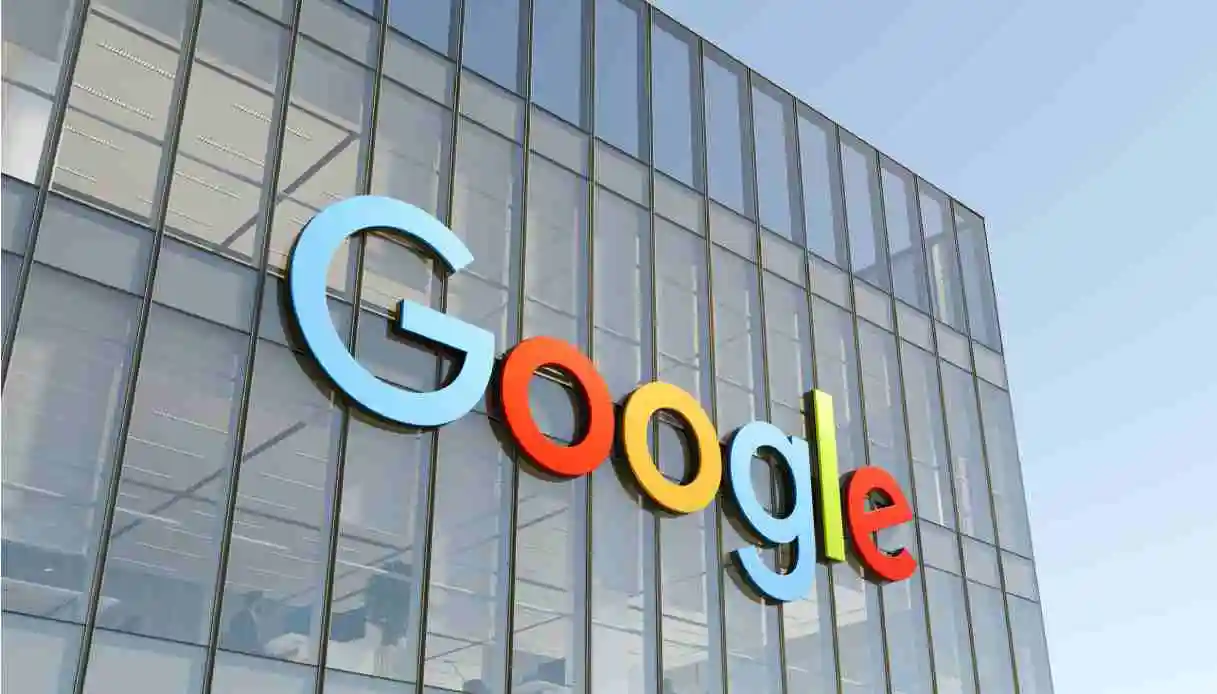
If SpaceX suffers for purely financial reasons, the collapse of Alphabet, Google’s parent company, is linked to a crisis of identity and talent. The company’s shares recorded losses of more than 6% yesterday due to a real “brain drain” in the artificial intelligence sector.
In the space of a few days, Alphabet lost two irreplaceable figures: Noam Shazeer, Co-leader of the Gemini models and co-author of the historic 2017 paper on the “Transformers”, he left the company for OpenAI; John JumperGoogle DeepMind’s top scientist and 2024 Nobel Prize winner for Chemistry thanks to the revolutionary AlphaFold model, resigned to move to rival Anthropic.
This exodus to leaner, more focused research labs has instilled fears in markets that Google is losing technological leadership in the race for artificial superintelligence, even as the company is spending billions on data center infrastructure. Making matters worse for Alphabet is the fact that it holds a close to 5% stake in SpaceX, thus suffering a double financial blow.
A new phase for the markets
The general sentiment has changed. If until a few months ago the word “AI” or the announcement of a space project was enough to make a stock fly, today investors demand pragmatism, team stability and long-term profitability. The next summer quarterly reports will be decisive in understanding whether this is a temporary correction or the prelude to a more lasting reduction in the supervaluations of technology stocks recorded in recent months.