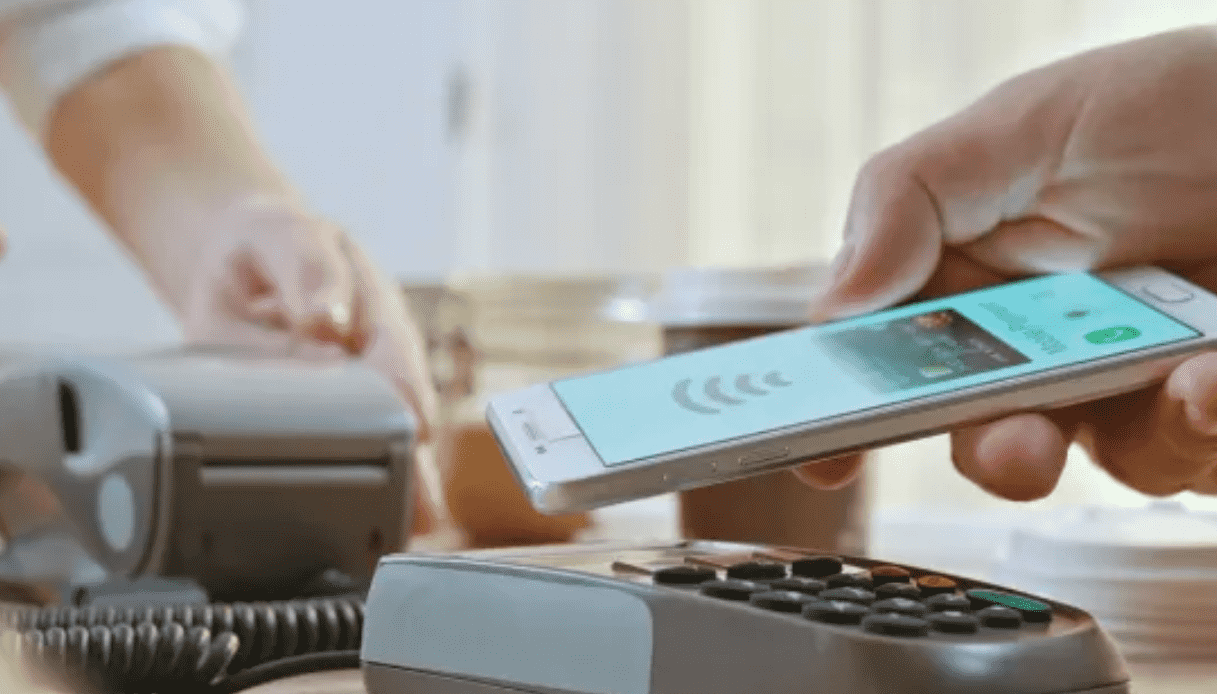
The practice of “buy now, pay later” has seen a real boom among Italian users over the course of three years. Between 2022 and 2025, the total credit provided with the “buy today, pay tomorrow” formula grew by 127%. To the detriment of traditional small consumer loans, especially for amounts less than 1,500 euros.
Purchasing on the spot and paying in installments, often without interest and with just a few clicks on the smartphone has become an established habit. But with a worrying side effect: it has created a vast “invisible debt”, particularly among the very young.
What is “buy now pay later” and why has it become so widespread
“Buy now, pay later” is a form of consumer credit integrated directly into the shopping experience. According to the report “The invisible debt” carried out by Censis and Confcooperative, the use of this solution has increased by 23% in the last year alone. A very rapid expansion that is changing the way in which families get into debt, especially for small purchases made through digital platforms.
At the time of payment, instead of paying the entire amount immediately, the consumer can choose to divide it and spread it into several installments, often three, without the application of interest. As long as you respect the deadlines set. Approval takes place in seconds, without going to the bank and, in most cases, without filling out a traditional loan application.
It is precisely this simplicity of execution that has favored the success of the system. Access to credit becomes almost imperceptible: while you purchase a device, an appliance or an item of clothing, you simultaneously take out a digital loan. The moment in which one realizes that one has contracted a debt thus tends to fade into the background.
Why do we talk about “invisible debt”
Each single installment may seem of a limited amount and therefore easily sustainable. The problem arises when the same consumer simultaneously activates multiple deferred payments on different platforms. In this way, several small debts accumulate which, taken individually, appear negligible but which overall can significantly impact the family budget.
According to analysts, the risk is that debt emerges only when the installments begin to add up and become difficult to sustain. That is, when it’s too late. As mentioned, these are often purchases linked to goods destined to rapidly lose value, such as electronic products, clothing and personal items. Result: “buy now, pay later” reached 60.3% of payments in the spending range of up to 1,000 euros, compared to 45.7% for traditional credit.
Young people are the most exposed to the new digital credit
Among the aspects that attract greater attention is the involvement of the younger sections of the population. The Censis-Confcooperative focus highlights how the phenomenon is particularly widespread among members of Generation Z, for whom it represents one of the main ways of accessing credit.
Not only that. Around 19% of those using digital installment payments had never previously had a credit history. For many young people, therefore, the first contact with a loan no longer takes place through a traditional bank or finance company, but directly during an online purchase made with a smartphone.