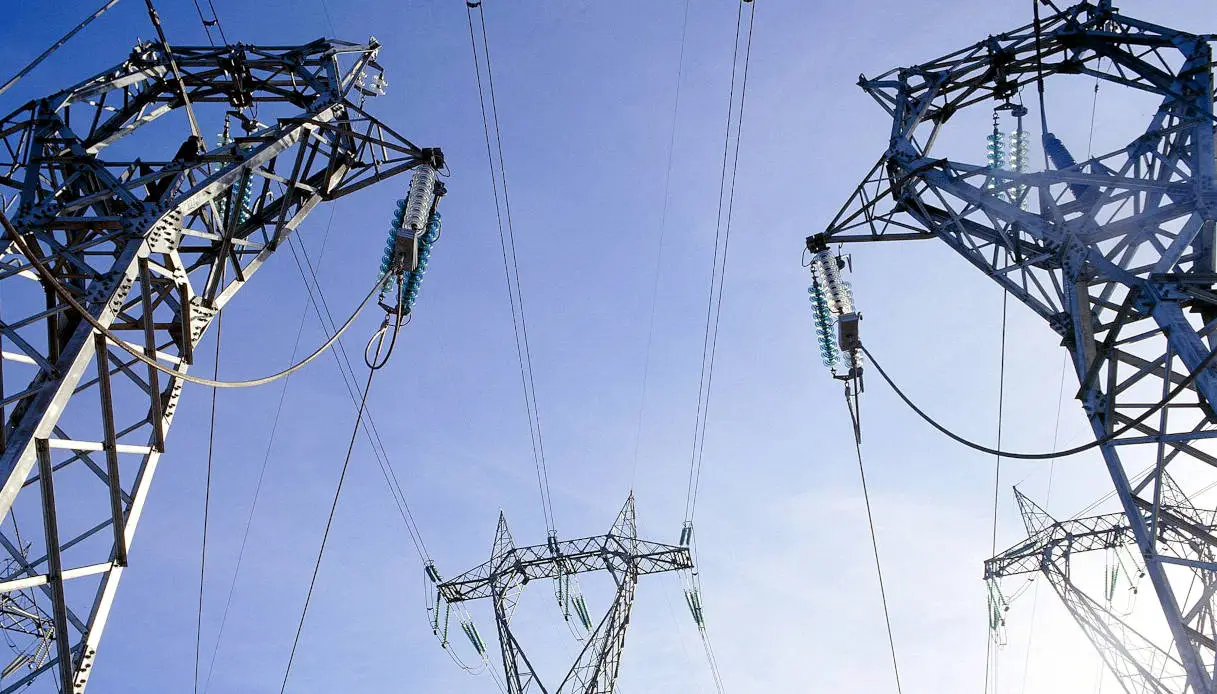
The Italian electricity market could soon change: the objective is to gradually overcome the PUN (single national price), the system that today determines a single value of electricity throughout the territory, to arrive at a model based on zonal prices.
The indication comes from Arera’s annual report, presented by president Nicola Dell’Acqua, who illustrated the Authority’s program for the next four years. The reform aims to bring the Italian market closer to that of other European countries, making the price of electricity more linked to the real availability of energy in the different areas of the country and to the conditions of the network.
What is the Single National Price and why it could be overcome
Today the PUN is the reference for the Italian wholesale electricity market. It is true that energy produced in different areas has different costs, but the final price is standardized at a national level.
This system has contributed over the years to limiting territorial differences, but it also has some limitations. For example, it does not allow territories that produce large quantities of energy from renewable sources to directly benefit from lower prices.
According to Arera, the transition to zonal prices would instead allow the characteristics of individual territories to be better reflected.
How zonal electricity prices will work
So consequently with the new model the cost of energy would no longer be identical throughout Italy. Each area of the electricity market would in fact have its own price, determined by various factors:
- availability of energy produced;
- presence of systems powered by renewable sources;
- level of congestion on the electricity grid;
- need to resort to thermoelectric production or imports.
As a result, areas with a strong presence of photovoltaic and wind power plants and a less congested grid could see lower prices than areas that rely more on gas-fired power plants.
Because the South is asking to speed up
The postponement of the introduction of zonal prices has provoked protests from various southern regions, where a significant part of investments in renewable energy has been concentrated in recent years. Among the most critical is the president of Calabria, Roberto Occhiuto, who asked Arera to speed up the reform. According to the governor, territories that host a large number of green energy production plants should be able to obtain lower bills for families and businesses, also in recognition of the impact that such infrastructures have on the territory.
More controls on the electricity market
Among the innovations illustrated in the Annual Report there is also the creation of a structure dedicated to the supervision of the energy market.
The objective is to monitor the trend of electricity prices on a daily basis, both wholesale and retail, providing constant updates to the Government, Parliament and the EU.
Arera intends to promote tools capable of reducing the link between the price of electricity and that of natural gas, considered one of the main factors that keep energy costs high in Italy.
More efficient electricity grid and fewer obstacles to investments
The Authority also aims to simplify the rules for the connections of new plants and to combat the phenomenon of the so-called “virtual saturation”, i.e. connection requests that occupy available capacity without resulting in projects actually started.
Finally, before building new infrastructures, Arera proposes to make better use of existing ones.