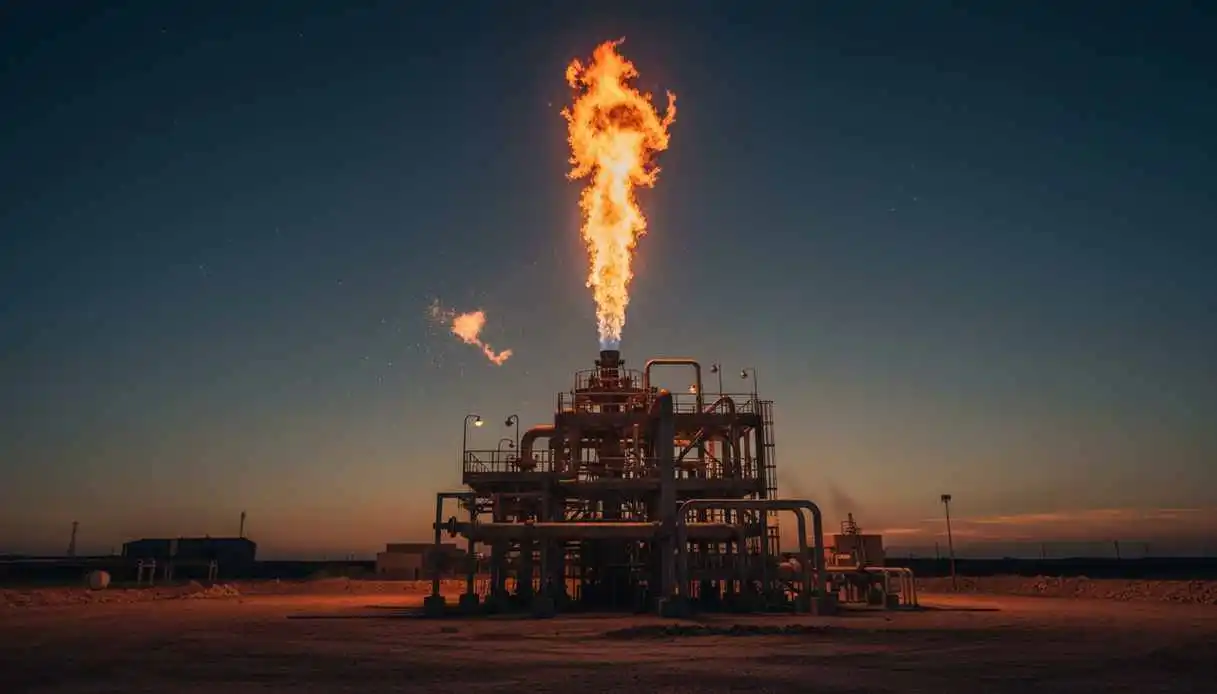
Oil and gas return to the center of European markets. Brent is now moving around 92 dollars a barrel, while the WTI exceeds 85 dollars. On the gas front, the Amsterdam TTF, the reference for the European market, closed at 59.5 euros per megawatt hour, up 1.4%.
These are numbers that bring energy back to the top of the list of concerns for investors, families and central banks. After weeks in which attention was focused mainly on half-yearly reports, rates and company profits, the market must return to dealing with a very concrete variable: the cost of energy.
The movement is not just about raw materials. If oil and gas remain high, the effect may trickle down to gasoline, diesel, utility bills, industrial costs and inflation. This is why the rise in energy also weighs on BTPs, banks, utilities and ECB decisions.
Because expensive energy weighs on petrol and bills
Oil is the first channel through which international tensions reach consumers. When Brent and WTI rise, the market immediately looks to fuel prices. The impact at the pump is not always immediate and also depends on the euro/dollar exchange rate, refining margins and taxes, but the signal is clear: more expensive crude oil makes it more difficult to see significant reductions on petrol and diesel.
Gas, on the other hand, weighs heavily on businesses’ energy bills and costs. The TTF close to 60 euros per megawatt hour does not automatically mean immediate increases for all contracts, but indicates growing pressure on the European energy market. For energy-intensive families and companies, the direction of prices therefore remains an element to monitor.
The point is not just the level reached today, but the duration of the rise.
The risk of inflation on the eve of the ECB
The timing makes the data even more important. The ECB will announce the new rate decision tomorrow and Christine Lagarde’s press conference will be read in light of the new energy shock. If oil and gas continue to rise, the central bank will have less room to reassure markets of rapid monetary easing.
Energy is a volatile component of inflation, but it can influence expectations. If businesses and consumers begin to incorporate higher prices into contracts, price lists and spending decisions, the risk is that inflation will become more difficult to stably bring back towards target.
For this reason the ECB will have to balance two needs. On the one hand, preventing high energy prices from reigniting inflation. On the other, do not compress European growth that is still fragile too much. It’s the classic energy shock dilemma: higher prices and weaker economic activity at the same time.
What changes for BTPs, banks and Piazza Affari
The rise in energy also weighs on government bonds. If the market fears more inflation, it tends to demand higher yields on bonds. For Italy this means immediate attention to BTPs and the spread, especially in a phase in which ECB decisions remain decisive for the cost of public debt.
Banks are also looking carefully at the picture. Higher rates for longer can support interest margins, but they also increase the risk of a credit slowdown and difficulties for families and businesses. For Piazza Affari, therefore, the high energy price is a double variable: it can help some sectors, but worsen the general macroeconomic prospects.
Utilities and energy groups are the first observed.
The ECB faces the risk of a new energy shock
The ECB arrives at the rate decision with an additional problem. Until a few days ago, the market was mainly looking at the slowdown in the economy and the possibility of a less rigid monetary policy. The return of high energy prices changes the picture, because it could reignite price pressures just as Europe seeks stability.
Christine Lagarde will therefore have to move on a tight balance. Cutting rates too quickly can become risky if oil and gas continue to push inflation. Remaining too cautious, however, can weigh on growth, credit, mortgages and investments.
The price of energy can influence the next mortgage payment, the yield of BTPs, the cost of loans and the monthly expenditure of families. This is why Brent, gas and the ECB are now three pieces of the same story.