The European Commission has clarified which products will not have to comply with the obligation which, in most cases, requires manufacturers of technological devices to enable consumers to easily remove and replace portable batteries of electronic devices. With a delegated act adopted on 14 July, Brussels expanded the list of exceptions provided for by the European regulation on batteries, specifying that some categories of devices may continue to have batteries that can only be replaced by qualified technicians and not directly by users. In this case, the Commission has included six categories of products in the list of those that are excluded from the obligation and these include smart glasses, smartwatches and fitness trackers. In the text of the regulatory integration, true-wireless earphones and their charging case are not explicitly mentioned. In the case of smartphones and tablets, the Ecodesign legislation will prevail: manufacturers will not have the obligation to insert a door to immediately access the battery, but they will still have to design it in such a way as to allow a relatively simple replacement, avoiding the use of permanent or difficult-to-remove glues.
What changes with regulatory integration
The general objective of the European regulation remains unchanged: when purchasing a product equipped with a portable battery in the EU, the user must be able to remove and replace it without having to change the entire device. This choice aims to increase the useful life of the products, reducing waste and facilitating repairs. Furthermore, it makes it easier to collect used batteries for recycling, a fundamental step for recovering precious materials and limiting the environmental impact of electronic waste.
However, there are situations in which making a battery easily accessible could compromise the safety or correct functioning of the device. For this reason the regulation already provided for some exceptions in the past. These include, for example, medical devices and so-called “wet devices”, i.e. products designed to work in close contact with water or in very humid environments, such as electric toothbrushes and water flossers for oral hygiene. In these cases, the battery must still be able to be replaced, but the operation is reserved for independent professionals, i.e. specialized technicians who do not necessarily belong to the manufacturer’s assistance network.
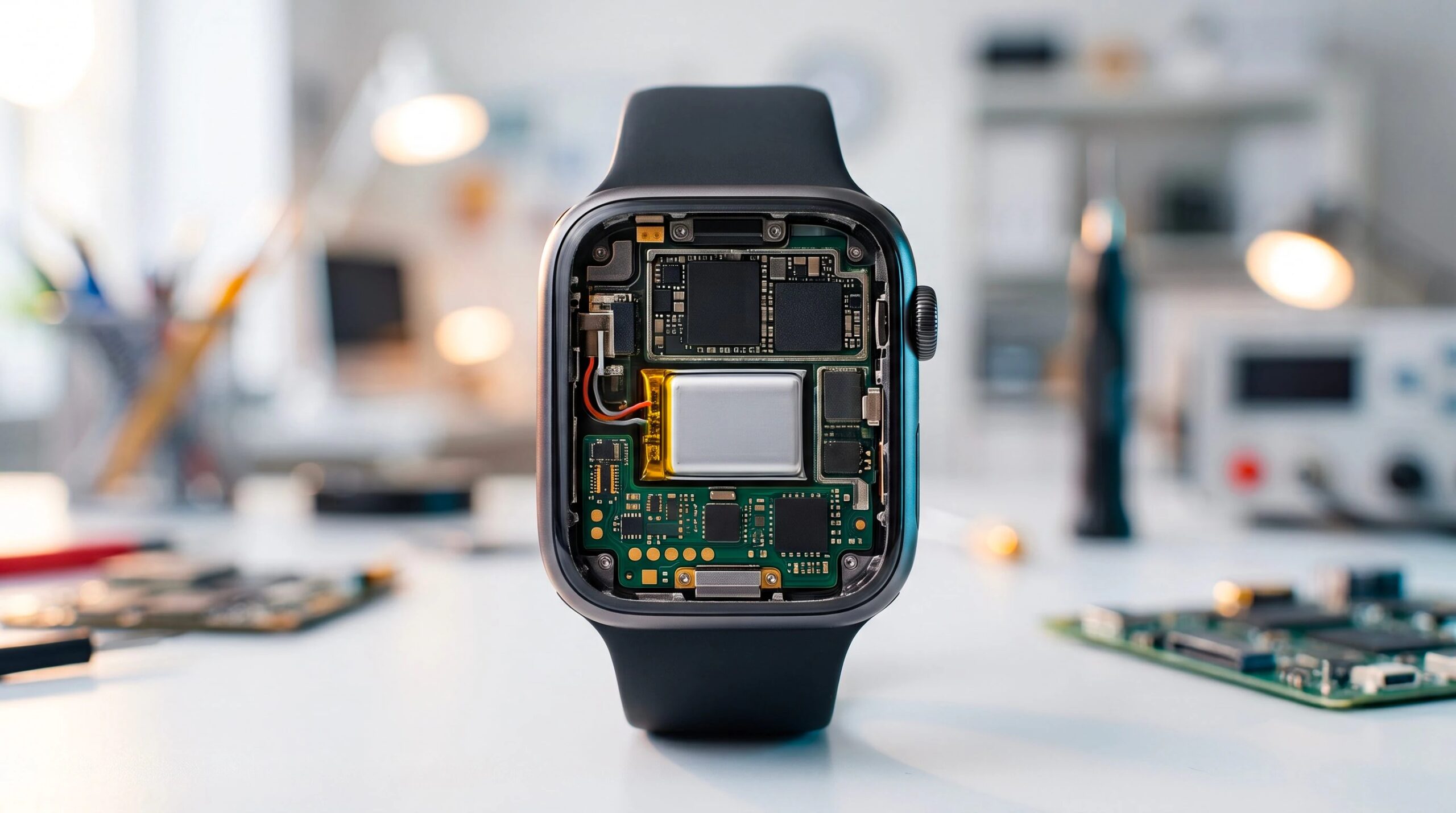
With the new delegated act, the European Commission has decided to extend this list by adding six more product categories. These include wearable devices, such as smartwatches and fitness trackers, used to receive notifications, monitor physical activity and collect health data. The text of the regulation does not mention true-wireless earphones, as it simply says that «examples of wearable devices include smartwatches, fitness trackers, smart glasses, or other electronic devices integrated into clothing and other accessories». In these «other accessories» Are wireless earphones also included? It is not clear at the moment.
Electric toys and products subject to the ATEX directive are also part of the new exceptions. The ATEX directive is a European regulation that regulates equipment intended to operate in potentially explosive atmospheres, i.e. environments in which flammable gases, vapors or dust capable of causing explosions may be present. This category includes, for example, explosion-proof motors, sensors, pumps and forklifts designed to work in particularly delicate industrial contexts. Allowing simple battery replacement in these cases could impact the safety requirements required for this type of equipment.
The novelty being examined by the European Parliament and the EU Council
However, the act adopted by the Commission is not immediately operational. The text will in fact be transmitted to the European Parliament and the Council of the European Union, which will have the opportunity to examine it. If neither institution presents objections, the new provisions will come into force 20 days after publication in the Official Journal of the European Union.