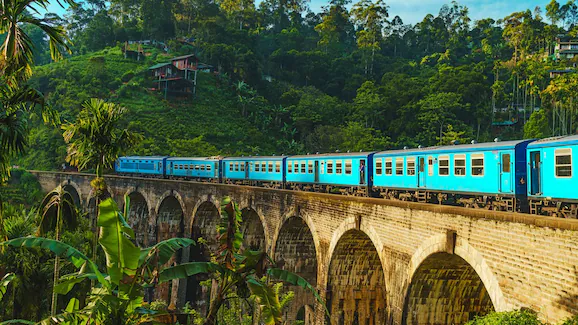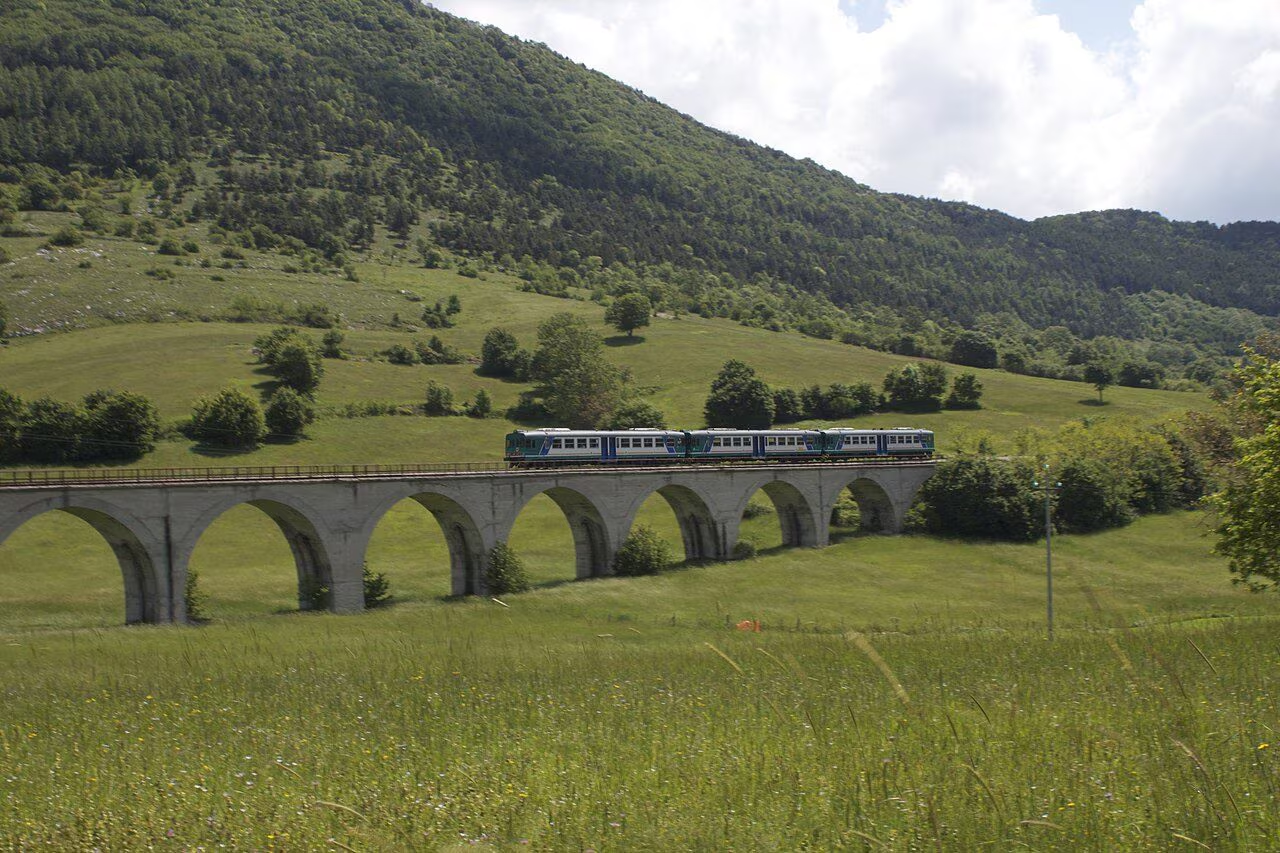
The railway line that connects Sulmona in Abruzzo and Isernia, in Molise, built with a project approved in 1885 and works started in 1892, was nicknamed Transiberiana d’Italia, or Transiberiana d’Abruzzo, because in an article in Gente Viaggi in 1980, the journalist Luciano Zeppegno defined the route as a “little trans-Siberian”.
The train – railway tourist service of the FS Italiane Foundation – of what is now the Parks Railway, crosses the Abruzzo plateaus, the Majella National Park, rocky gorges and large pastures and spaces that are green in summer but subject to heavy snowfall in winter, and which can vaguely recall the desolate lands of the famous Trans-Siberian Railway.
128.7 km long, it starts from Sulmona, at 328 metres, then rises to 1,268 meters in Rivisondoli-Pescocostanzo, descends again to Castel di Sangro at 793 metres, climbs up again to San Pietro Avellana at 960 metres, touches Carpinone at 631 meters and today ends in Isernia, at 493 metres, among mountains, national parks and historic villages.
In the meantime, it passes through 58 tunnels – of which the longest within the Majella is 4km long – for a total of 25 km in the tunnel, and passes through various stages: today you can travel on “our” Trans-Siberian in convoys typical of the 1930s, thanks to the Ferrovia dei Parchi project, considered an appellation, “more correct and more in line with the image of the places it crosses by crossing the tracks of two national parks and various reserves and protected areas between Abruzzo and Molise”.
History of the Abruzzo Trans-Siberian Railway: an avant-garde engineering work
The railway that connects Sulmona to Carpinone is foreseen by the Baccarini law of 1879: its construction is divided into two phases and proves to be rather complex, precisely due to the mountainous and impervious territory, as well as the lack of connections to transport the material necessary to build the infrastructure.
The Sulmona-Cansano section was opened in 1892, and from 1897 Carpinone and then Isernia were reached.
This is a cutting-edge engineering work, because the convoys have to cross mountains, ravines and escarpments: during the 1900s, moreover, maintenance problems were not uncommon, the railway line was seriously damaged during the Second World War and interrupted.
Since 2014, the Ferrovie dello Stato Foundation and the Le Rotaie Association have started a project to relaunch the line, activating the vintage trains on which you can travel today, becoming in effect a tourist railway that takes travelers through some of the most fascinating and lesser-known areas of Italy.
Rates vary depending on the stages: they start from 40 euros for children up to 11 years old and reach up to 70 euros for adults.
What are the stops on the Ferrovia dei Parchi
After leaving Sulmona, the train crosses the Gizio valley, the village of Pettorano, and goes up Colle Mitra: it then reaches a gentle plateau, before arriving at Campo di Giove and entering the Majella National Park. From here the route goes uphill on the slopes of Mount Porrara: it then follows the prairies and woods of the Abruzzo plateaus, before arriving at the Rivisondoli-Pescocostanzo station, which holds the title of the second highest station in Italy, after that of Brennero.
The descent towards Roccaraso now begins, then you pass Monte Arazzecca and the Sangro valley: travelers then cross Monte Pagano with a tunnel, and enter Molise: you pass the stations of S. Pietro Avellana-Capracotta, Vastogirardi, Carovilli, Pescolanciano-Chiauci, you cross Monte Totila in the tunnel, the town of Sessano, and you arrive at Carpinone and then Isernia.
The Ferrovia dei Parchi train passes through these stages:
- Sulmona
- Sulmona-Introdacqua
- Vallelarga
- Pettorano sul Gizio
- Cansano
- Camp Jupiter
- Jupiter Majella field
- Palena
- Rivisondoli-Pescocostanzo
- Roccaraso
- Alfedena-Scontrone
- Castel di Sangro
- San Pietro Avellana-Capracotta
- Villa San Michele
- Vastogirardi
- Carovilli-Roccasicura
- Pescolanciano-Chiauci
- Sessano del Molise
- Carpinone
- Isernia