It was presented in Rome Mediterranean Network for Haemoglobinopathies, new independent regional platform created to connect expertise, strengthen patient participation and support more equitable care across the Mediterranean. The initiative brings together patient associations, healthcare professionals, researchers and health policy experts active in the field of hemoglobinopathies, with particular reference to thalassemia and sickle cell anemia.
The Network, which starts from Italy, Greece and Cyprus, was born from the awareness that these pathologies still represent a significant health challenge for many Mediterranean countries, a region with a significant burden of thalassemia and other haemoglobinopathies and which, over time, has developed internationally recognized skills in the prevention, diagnosis, treatment and management of these diseases.
Thalassemia, what it is and when it appears
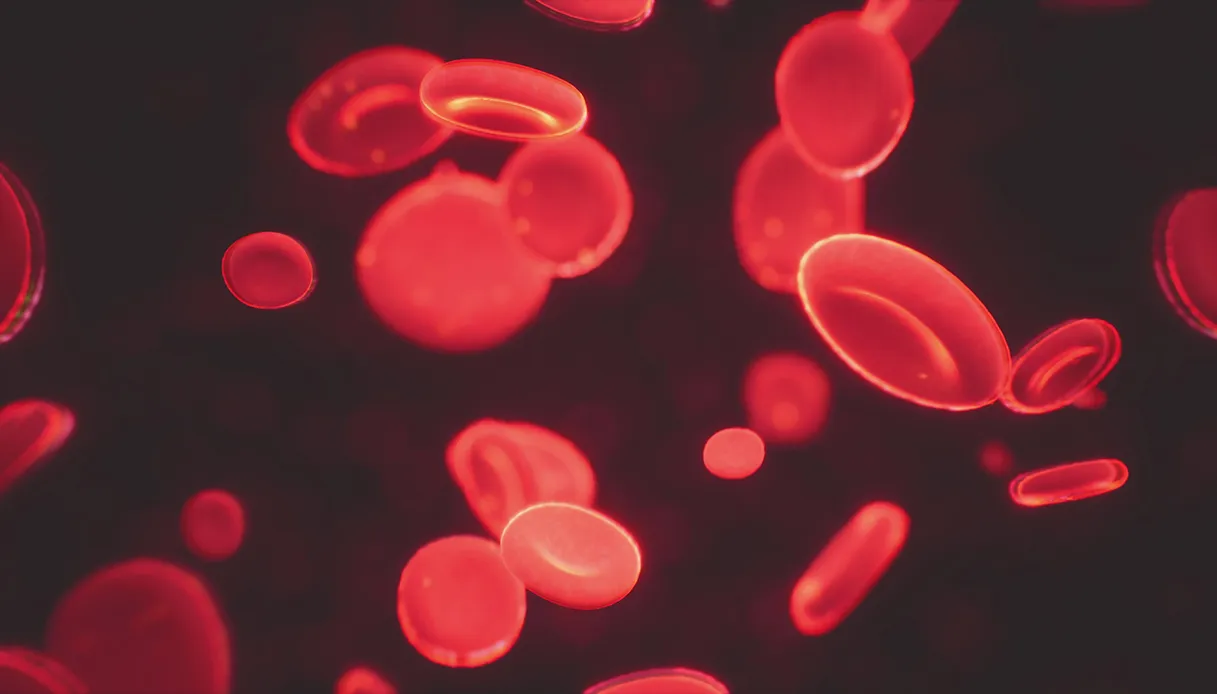
Thalassemia is a rare, chronic and progressive genetic blood disease caused by mutations in the genes that regulate the production of the globin chains of hemoglobin, the protein that transports oxygen in red blood cells. The main forms are α-thalassemia and β-thalassemia, depending on the gene involved. The imbalance in the production of globin chains damages red blood cells and alters their metabolism: the bone marrow is unable to produce red blood cells effectively (ineffective erythropoiesis) and those in circulation are destroyed prematurely (hemolysis), resulting in chronic anemia.
Based on the severity of the disease and the transfusion requirement, two main clinical categories are distinguished: transfusion-dependent thalassemia (TDT), which requires regular and continuous blood transfusions, and non-transfusion-dependent thalassemia (NTDT), in which patients do not initially require a regular transfusion program.
In Italy it is estimated that approximately 7,200 people, adults and children, live with a clinically significant form of thalassemia: approximately 73% with a transfusion-dependent form and approximately 27% with a non-transfusion-dependent form.4 The regions with the highest prevalence historically are Sardinia, Sicily, Puglia and Calabria; however, the migratory flows of recent decades have progressively extended the presence of the disease also to the Northern regions, making it a reality of national importance. Around 3 million Italians are healthy carriers of the thalassemia trait.
The disease is transmitted in an autosomal recessive manner: it occurs when both copies of the gene, inherited one from each parent, are altered. Healthy carriers generally have no symptoms, but can pass the mutation on to their children.
Needs to be satisfied
Despite advances in transfusion therapy, iron chelation therapy, and multidisciplinary management, people with thalassemia continue to experience significant morbidity and reduced life expectancy compared to the general population.
Chronic anemia is one of the main determinants of the burden of the disease: it is frequently associated with tiredness (fatigue), reduced functional capacity and limitations in daily activities, with repercussions on the quality of life, work capacity, social participation and autonomy of patients, as well as on the consumption of healthcare resources. Furthermore, in transfusion-dependent patients, the need for regular transfusions entails a significant clinical, organizational and psychological burden and frequent visits to hospital. Ineffective erythropoiesis, chronic hemolysis and persistent anemia lead over time to the development of multiorgan complications, with a significant impact on survival and quality of life.
In TDT, one of the main complications is iron overload (martial overload), linked above all to regular transfusions: excess iron accumulates in the body and, if not adequately treated, can damage organs such as the heart, liver and endocrine glands. NTDT should not be considered a mild form: even in the absence of regular transfusions, patients remain exposed for years to the mechanisms of the disease, which determine progressive organ damage in the long term. In fact, hemoglobin levels represent a fundamental prognostic determinant: values consistently lower than 10 g/dL are associated with an increased risk of complications and disease progression, while an increase in them is associated with clinically relevant benefits.
For many years, therapeutic strategies have been mainly oriented towards managing the consequences of the disease. Red blood cell transfusions represent the mainstay of treatment in TDT, associated with iron chelation therapy to prevent and treat iron overload, and can also be used selectively in NTDT. Today, pharmacological treatments for anemia are also available, which act with different mechanisms. One, indicated in adults with β-thalassemia and administered subcutaneously, promotes the final stages of maturation of red blood cells in the bone marrow. The other, indicated in adults with α- and β-thalassemia and administered orally, acts on the energy metabolism of the red blood cell, activating a key enzyme for energy production within the cell.
Hematopoietic stem cell transplantation is a potentially curative option, but applicable only to a limited proportion of patients, while gene therapy represents a new option for a highly selected population of patients with transfusion-dependent β-thalassemia. However, there remains a significant unmet clinical need, with different needs depending on the form of the disease.
What does the network propose?
It is estimated that in Europe over 38,000 people are affected by haemoglobinopathies and, despite the significant progress made in recent decades, differences persist in access to specialist skills, treatments and therapeutic innovations, while the sustainability of transfusion resources and the introduction of new treatments pose increasingly relevant challenges for healthcare systems.
Through a structured collaboration between countries, which share consolidated experience in the field of thalassemia and other haemoglobinopathies, the Network aims to encourage the exchange of knowledge and dialogue between different professional groups and stakeholders, helping to address the main challenges relating to the management of haemoglobinopathies in a coordinated manner. Priorities include supporting the adequacy, safety and sustainability of the blood supply, reducing inequalities in access to specialist care, supporting evidence-based dialogue on access to advances in treatment and innovation, leveraging data and evidence generated in clinical practice, and strengthening the role of patients and their associations in healthcare decision-making. Particular attention will also be paid to the opportunities and challenges posed by new therapies for thalassemia and other haemoglobinopathies, as well as to the changes underway in the European regulatory and healthcare context. TO
The fourth edition of “Knights for Rare”an international initiative promoted by Avanzanite Bioscience BV to enhance the role of patient associations and the contribution that these organizations offer on a daily basis in terms of support, representation and guidance to people affected by rare diseases and their families.