A thousand songs in your pocket, without carrying around a stack of CDs. Today it may seem obvious, but October 23, 2001 was truly new. That day Steve Jobs introduced the first iPod, destined to become one of Apple’s most recognizable products. 25 years after its debut, that device is no longer in production. Yet, it helped transform the way we listened to music, before smartphones made its use less and less necessary. A history of innovations, successes and technological changes, which began when music players were still impractical.
How the iPod was born and why it revolutionized the way we listen to music
At the beginning of the 2000s, to listen to music outside the home you could use a portable CD player or an MP3, which was generally easier to carry. In the first case, however, it was necessary to carry the disks with you, while in the second the memory was often limited and the interface was not very intuitive. Apple tried to overcome these limitations with a compact and easy-to-use device.
The first iPod had a 5GB hard drive, enough, according to estimates presented by the company, to store about 1,000 songs. It weighed just over 180 grams, had a monochrome screen and promised up to 10 hours of battery life. On the front it had a characteristic wheel that could be turned with a finger to quickly scroll through the songs: in the first version it was a mechanical control, while in subsequent models it would become touch-sensitive.
To transfer music to the iPod you had to connect it to a Mac via a FireWire cable and use iTunes, which synchronized the songs in your computer’s library with those on the player. It was not possible to download songs directly from the Internet, but once the transfer was complete you could listen to them anywhere, without a connection. The first model arrived in US stores on November 10, 2001, at a price of $399.
In April 2003, Apple launched the iTunes Music Store in the United States, a digital store that allowed you to purchase individual songs for $0.99, without having to buy an entire album.
From the iPod mini to the nano and the touch: the evolution of the Apple player
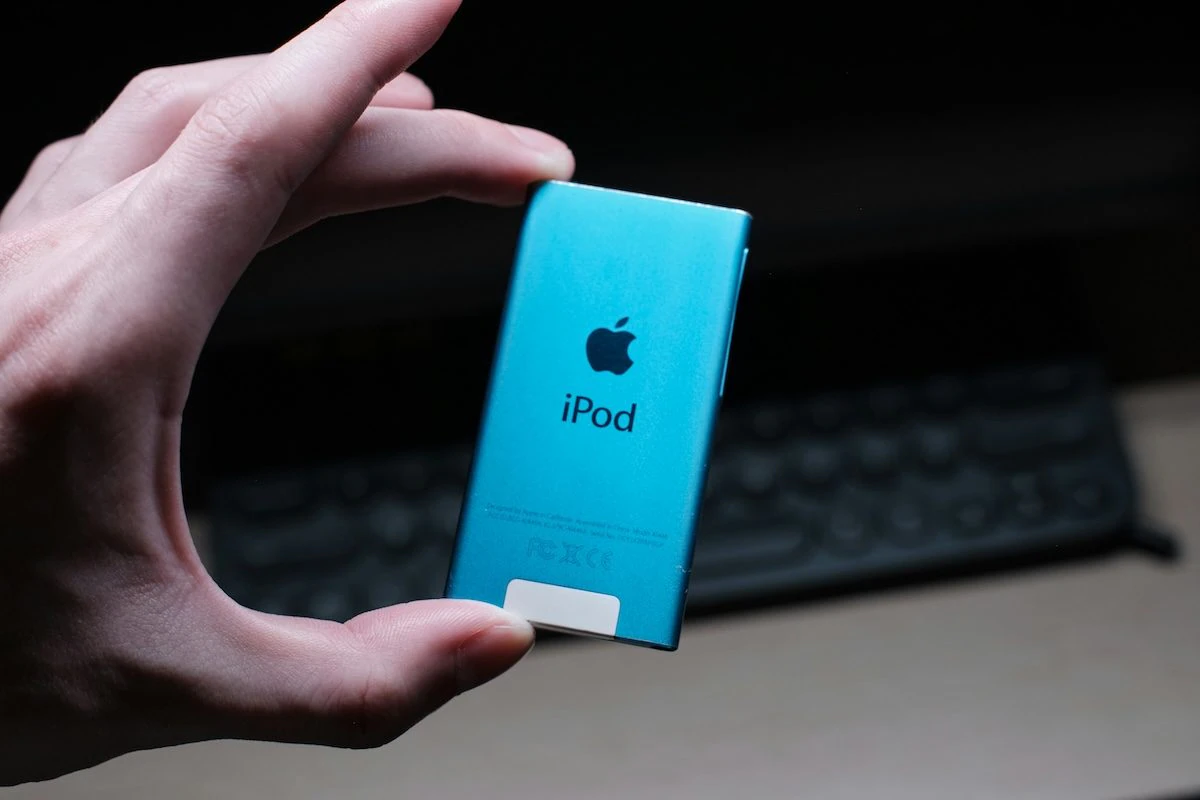
In 2004 Apple introduced the iPod mini, smaller than the original model and available in different colors. He was also the first to introduce the Click Wheel, the wheel that brought together the navigation controls and buttons in a single circular element, becoming one of the distinctive signs of the family. The body was made of aluminum and the 4 GB memory allowed you to store a rather large music collection despite its small size.
In 2005 it was the turn of two new models designed for different needs: the iPod shuffle and the iPod nano. The first was tiny and had no screen. To listen to the songs you used a few buttons and you could choose random playback, from which the name came. The first version was available with 512 MB or 1 GB of memory and could be worn around the neck thanks to a lanyard. The other model, however, combined a color display with a very thin body and used flash memory, without the moving parts of a hard drive. With its launch it also replaced the mini, which remained on the market for less than two years. Also in 2005, the fifth generation of the mainstream iPod added the ability to watch videos, from music videos to video podcasts and television programs, on a 2.5-inch color screen.
The family’s success was now enormous: in April 2007 the “bitten apple” announced that it had sold 100 million iPods since launch. In the same year, the traditional line took the name of iPod classic. According to Apple, the 160GB version could hold up to 40,000 songs, as well as photos and videos.
In September, the iPod touch arrived, marking one of the most important changes in the device’s history. The famous wheel disappeared, replaced by a large touch-sensitive screen. Wi-Fi connection also appeared, which allowed you to browse the web with Safari, watch videos on YouTube and purchase songs directly from the iTunes Wi-Fi Music Store, without having to go to your computer.
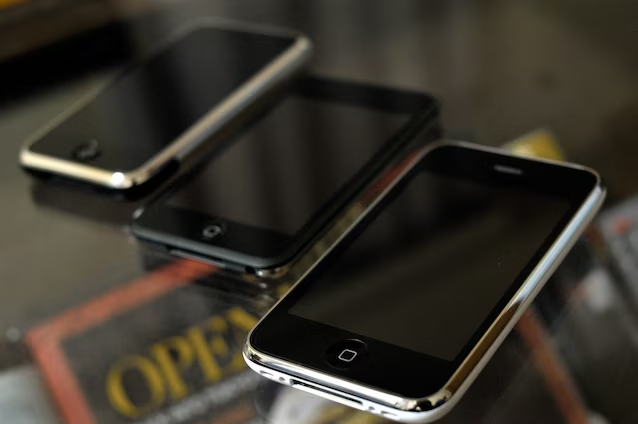
In appearance and in many functions it was reminiscent of the iPhone, presented by Apple a few months earlier, but without the telephone part. Since 2008, thanks to a software update and the App Store, it became possible to install games and applications developed by other companies. The player was transforming into a device capable of performing tasks far beyond listening to music.
What happened to today: Apple stopped making it
The iPod’s exit from the scene occurred gradually. In 2014 Apple withdrew the iPod classic, heir to the original hard drive line, from the market, while in 2017 it was the turn of the iPod nano and shuffle. At that point only touch remained, last updated in May 2019. This generation had an A10 Fusion chip and supported functions such as group FaceTime and augmented reality applications, which were now far from the possibilities of the first models.
On May 10, 2022, Apple announced the end of iPod production, specifying that the touch would only remain available for purchase until stocks ran out. No new models have been presented since then. In the press release, the company recalled that the music listening experience was now also available on iPhone, Apple Watch, iPad and Mac.
Above all, the arrival of smartphones has made a dedicated reader less and less necessary. Already in January 2007, Apple described the first iPhone as a telephone, an Internet device and an iPod combined in the same product. A smartphone made it possible to listen to music and, without changing devices, make calls, take photographs and surf the web. For many users, carrying a second device with them therefore became superfluous.
The spread of music streaming has also changed habits. With services such as Spotify and Apple Music, the latter launched in 2015, instead of purchasing and transferring individual songs to the player, it is possible to listen to catalogs of millions of songs over the Internet. Many services also allow you to download music for offline listening, as long as you respect the conditions set out in the subscription. This is an important difference compared to the first iPods, on which you organized a personal collection of music files to store in the device’s memory.
Still functioning iPods can still play stored songs and can also be found on the second-hand market, but the age of the batteries and the possible difficulties in connecting with the most recent computers must be considered. For some models it is also necessary to obtain a cable suitable for the connector used at the time. Finally, on iPod touch, the availability of applications and online services depends on compatibility with the version of iOS installed or installable on the device.