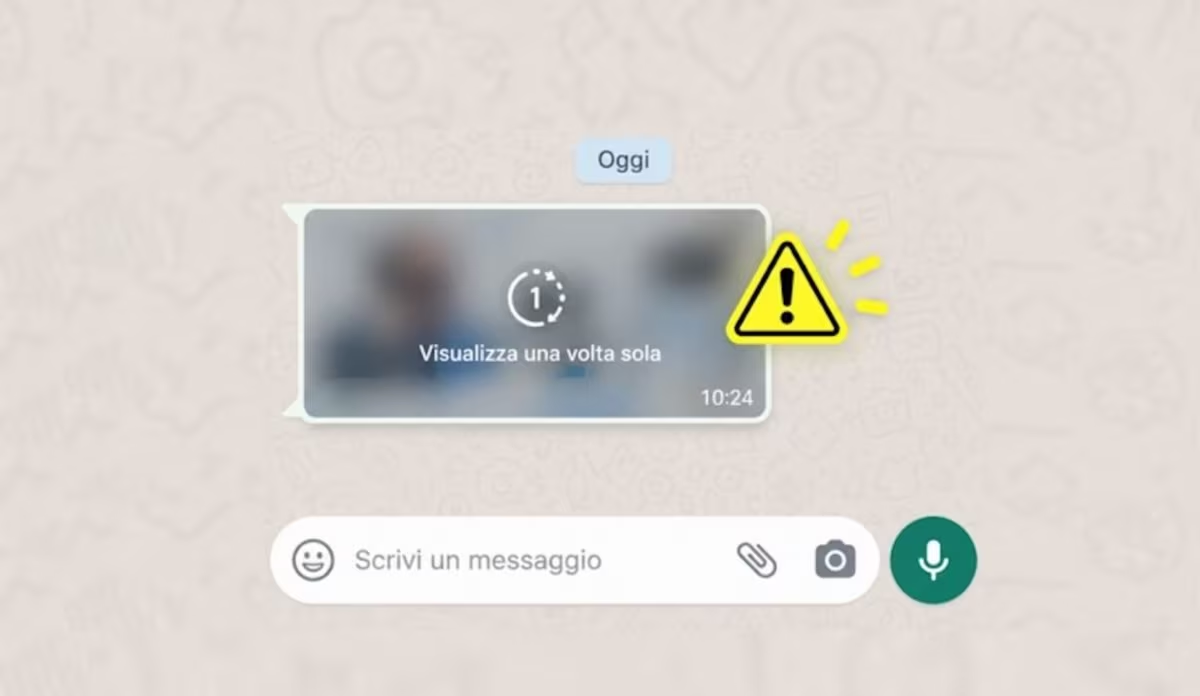
WhatsApp photo scam comes in two main forms: single-view photo blackmail and Image Scam (where malware is hidden in images). If you were to receive a message on WhatsApp from a number not saved in the address book, containing a photo set to the “View once” option of the app, which for the record allows you to see the image only once, automatically deleting it immediately after opening it, what would you do? Would you open the photo in question? If you answered yes because you are naturally curious, you may be the type of victim that some scammers are targeting in recent weeks. By opening the photo in question, in fact, you could find yourself faced with a pornographic image – or even child pornography – and, immediately afterwards, you could receive an intimidating message that blackmails you with the aim of pushing you to make an instant bank transfer of 1,000 euros or more to the person who contacted you with which to buy their silence. It is no coincidence that this scam attempt has been dubbed by some media as a blackmail scam. Let’s see how to recognize it and then how to defend ourselves.
How to recognize the blackmail scam with photos (single view)
As we anticipated in the introduction to the article, the scam essentially begins when you receive content, generally a pornographic photo, from a number not saved in your smartphone’s phone book. Not expecting a message with an attachment that can only be viewed once, you may be tempted to open it out of pure curiosity. It is precisely this curiosity that makes you potential targets to hit.
According to reports relating to this type of scam, the image may contain particularly sensitive material, and may even depict minors. Once you open the photo, you may then receive a message from the sender claiming they sent it by mistake and that the material was private or not intended for you.
At that point, the conversation could quickly change tone and the sender of these messages could tell you to report yourself for viewing prohibited content or could claim that he will spread the chat among your friends, family and various acquaintances. Immediately afterwards he could offer you an apparently simple solution: pay a sum of money to close the matter quickly and thus avoid public shame.
This behavior falls perfectly within the scope of sextortion, that is, that type of scam with which a cyber criminal attempts to extort money by basing his scam on the use of material with intimate and sexual content. As already mentioned, blackmail can also leverage shame and the fear of being involved in a potentially compromising situation. The psychological pressure can be so suffocating that it induces, especially those who are more fragile from a psychological point of view, to give in in order not to see their reputation tarnished.
What to do to avoid falling into the trap and defend yourself
To avoid falling for the scam, you must have the strength to resist the curiosity of opening a photo that is not intended for you. By not opening the attachment, you will consequently block the scam attempt in its tracks. The first precaution is therefore not to open unexpected contents coming from numbers you don’t know, especially when it is not clear who sent them or why.
Also avoid replying to the sender to ask for explanations: interacting could offer him the opportunity to exert even more psychological pressure. If the message appears suspicious, you can block the number and report the account through the tools available in WhatsApp.
Should you open the image, totally unaware of the possible contents, and start receiving threats, do not pay any money. Paying money does not guarantee that the blackmail will end, in fact it could only represent the first payment in a long series.
To help stop this scam, do not forget to report the incident to the authorities and, in particular, to the Postal Police. You should do this especially if you have fallen victim to the scam by paying the requested amount.