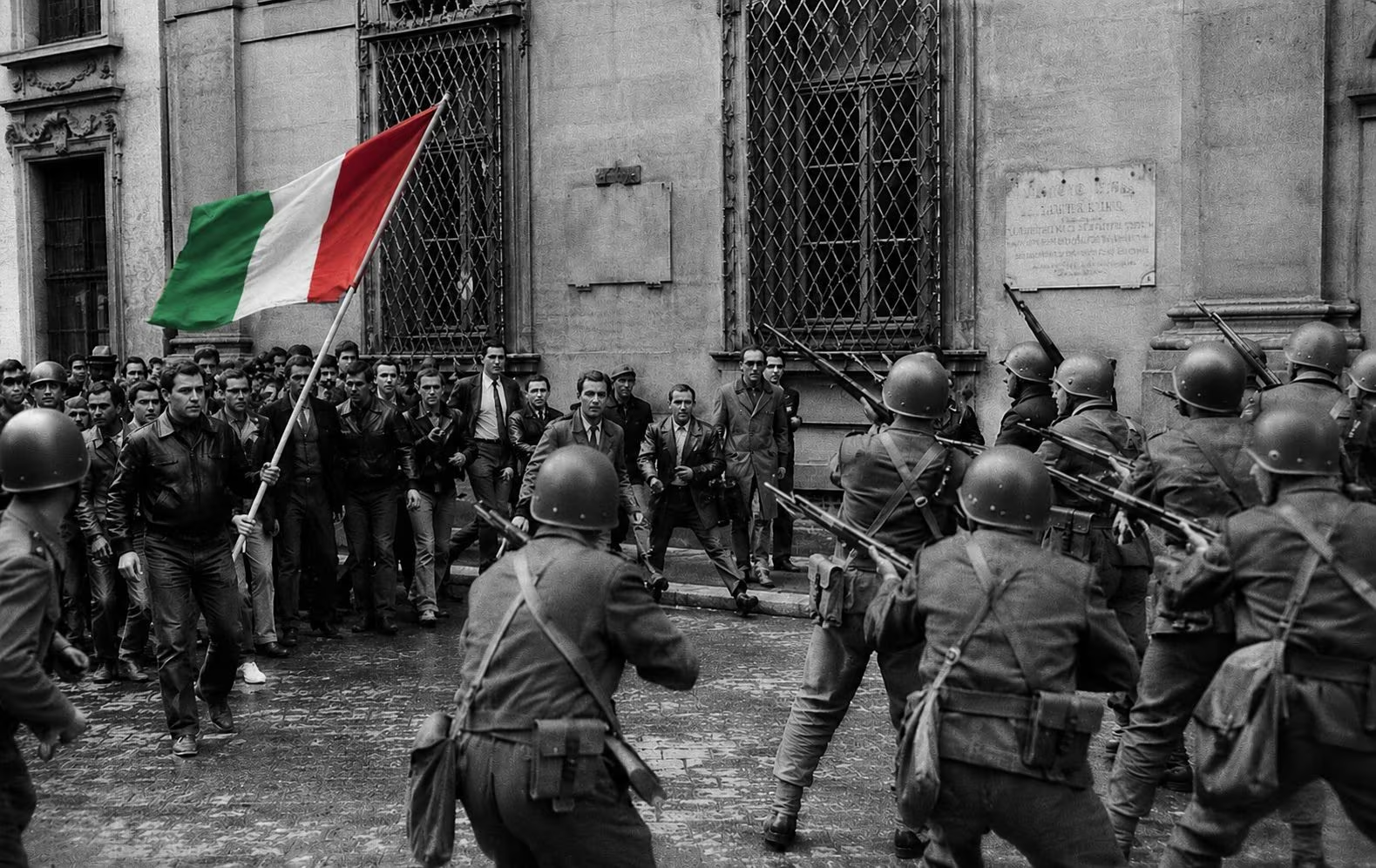
In Italy, between the 1960s and 1970s, at least three coup attempts were made to suspend the rule of law and the freedoms provided for by the Constitution. The context in which they were developed was that of the Cold War, the presence of left-wing parties that enjoyed great electoral support, and the fear of their possible rise to government.
The plans were drawn up by far-right movements and also by sectors of the institutions, intent on preventing the rise of the left in any way possible. The subversive projects were very different from each other both in terms of goals and implementation mechanisms. Of the three projects we examine – the Piano Solo of 1964, the Borghese Coup of 1970 and the White Coup of 1974 – one, the Borghese coup, was implemented and canceled while it was underway; the other two remained at project status.
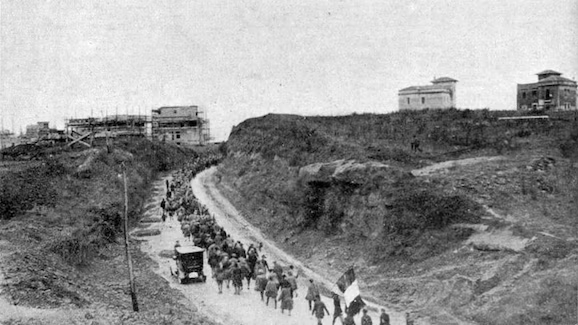
In short, no one succeeded in their aim: the only coup d’état which, according to most historians, really brought those who had organized it to power remains the March on Rome in 1922, when Italy was still a Kingdom.
Coup attempts and the strategy of tension
The coup plans were drawn up to prevent a possible political rise of the left-wing parties, in particular the Italian Communist Party, which gained great support from citizens and seemed capable of challenging the hegemony of the Christian Democrats, the main government party.
It is no coincidence that, in addition to developing coup plans, in the 1970s the far right and some state apparatus implemented a “strategy of tension”, which consisted of carrying out attacks to make democratic institutions appear weak and favor the establishment of a fascist regime.
The three coup attempts of the 1960s and 1970s were different from each other: two, the Solo plan of 1964 and the white coup of ten years later, remained at the project stage; another, the Borghese coup of 1970, stopped after it had started.
It has also been hypothesized that the United States was involved in the subversive plans (concerned about the electoral strength of the Communist Party), but their involvement has never been ascertained. Many elements of the three attempts still remain obscure today.
In any case, democratic institutions were able to hold up to safeguard the freedom of citizens and the Constitution.
The Solo plan
The Solo Plan was a subversive project developed in 1964 by the general commander of the Carabinieri, Giovanni De Lorenzo, in a moment of political and social instability, caused above all by the crisis of the first centre-left government. The plan was developed at the request of the President of the Republic, Antonio Segni. Officially, the plan was an emergency program to deal with possible unrest and not a subversive project: it envisaged the use of the Carabinieri to occupy the main centers of power in the State and guarantee control of public order. The name “solo” derives from the fact that the plan was to be implemented only by the carabinieri.
However, the measures envisaged included the arrest and internment of hundreds of left-wingers, trade unionists and others, who had not committed any crime. The plan therefore violated the democratic order and the rule of law.

The existence of the solo piano became public knowledge in 1967, sparking heated debate. Although it was never implemented, the plan is considered one of the most controversial episodes in the history of the Italian Republic and an important precedent in the climate of tension that characterized the following years.
The Borghese coup
The Borghese coup, also known as the “Immaculate Conception coup”, was an attempted coup d’état carried out on the night between 7 and 8 December 1970 by far-right groups. The main promoter was a former fascist soldier responsible for war crimes, Junio Valerio Borghese.
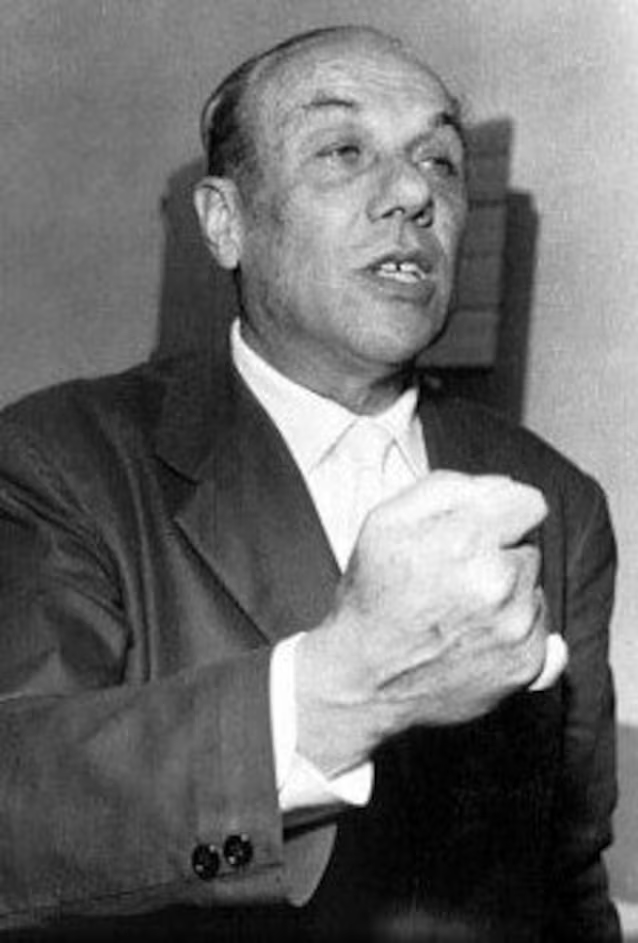
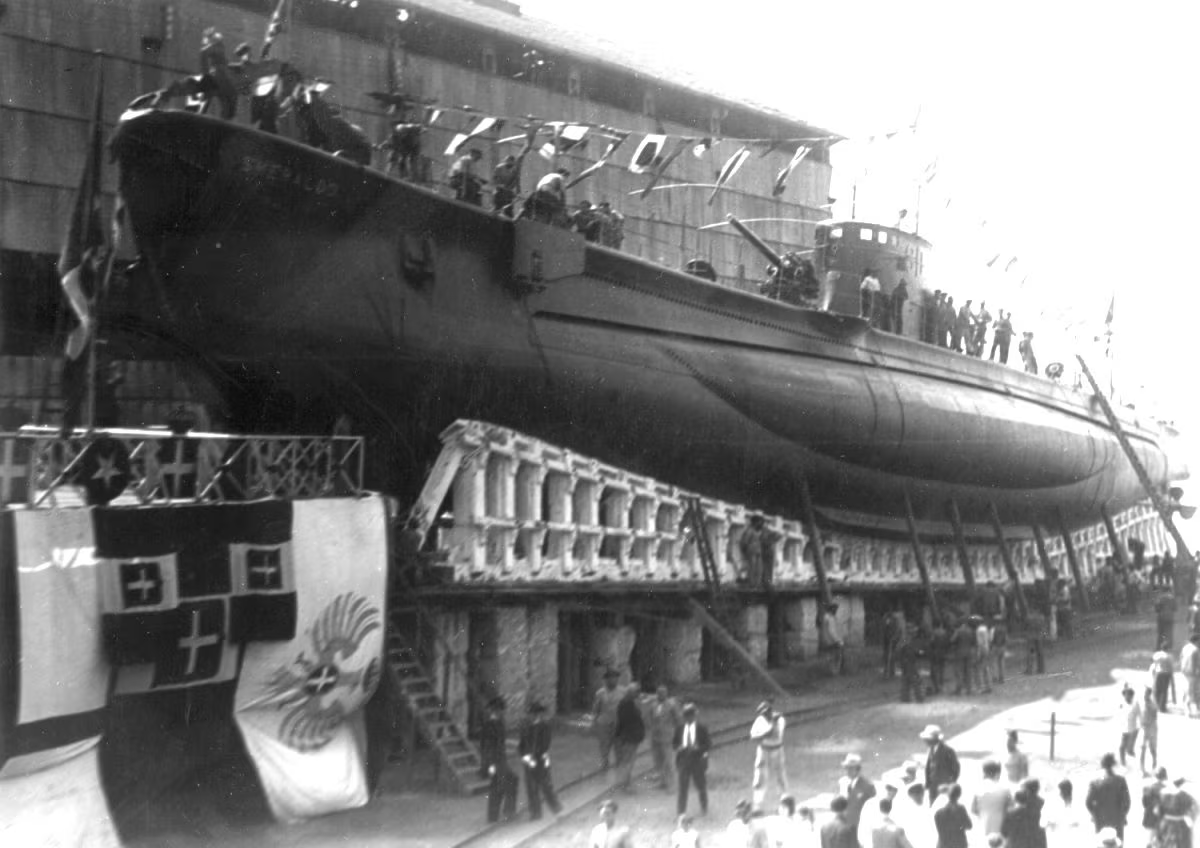
Borghese had been a fighter for the Italian Social Republic – the German-controlled puppet state, led by Mussolini, which existed in Northern Italy between 1943 and 1945 – and had commanded the Decima flottiglia mas, a military unit that had distinguished itself for the brutality of its torture of prisoners and the summary shootings of partisans. After the war, Borghese, thanks to the cover of the American and Italian services, managed to obtain lenient sentences and hide his crimes (some of which emerged in the 1990s thanks to the discovery of new documents). After the war he became a key figure of neo-fascism and in 1968 he founded the National Front, a subversive group that aimed to overthrow democracy.
In 1970, Borghese planned the coup attempt, which involved the occupation of strategic points in Rome, including the Ministry of the Interior, the RAI headquarters and other institutions, with the aim of overthrowing the government and establishing a fascist regime. Far-right militants, former soldiers and some members of state bodies were involved. On the night between 7 and 8 December the conspirators entered the Palazzo del Viminale, headquarters of the Ministry of the Interior, and stole machine guns and other weapons from the armoury. However, after the operations had begun, Borghese ordered the action to be suspended and the conspirators withdrew. The reasons for the counter-order remain unclear to this day. It was hypothesized that Borghese had received a phone call – perhaps from Licio Gelli, founder and head of the P2 Lodge, according to others even from Andreotti – inviting him to suspend operations. Other hypotheses maintain that the support promised to the coup plotters had failed or, even, that from the beginning the plan was not to follow the action to the end. The truth is not known.
There has also been speculation about the involvement of the United States in the project, which probably actually knew about the plan, but it was never established that they supported it.
What is certain is that the matter emerged publicly in March 1971 and gave rise to political controversy and a long judicial investigation. The Borghese coup represented one of the most significant episodes of the season of the strategy of tension, highlighting the presence of subversive sectors intent on preventing, even with illegal means, the democratic evolution of the country.
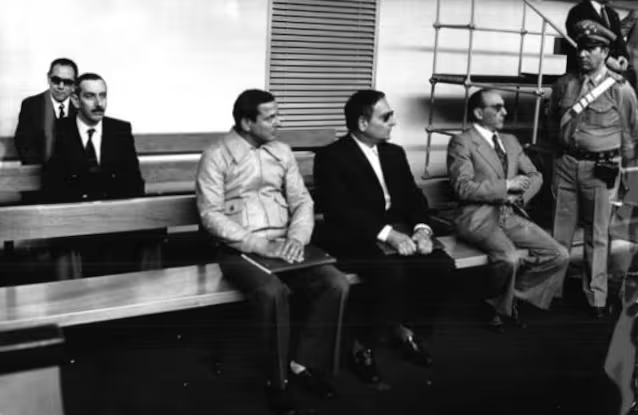
After the failure of the coup, Borghese fled to Franco’s Spain, where he died in 1974.
The white coup
The White coup was an alleged subversive project that emerged in 1974 and attributed to a former monarchist and anti-communist partisan, Edgardo Sogno. The plan, according to the accusations, was aimed at bringing about institutional change through the support of sectors of the Armed Forces, the business world and the political class. The White coup, however, was not a military coup in the classic sense and only envisaged establishing a new government and strengthening the weight of executive power, preventing a possible rise of the left.
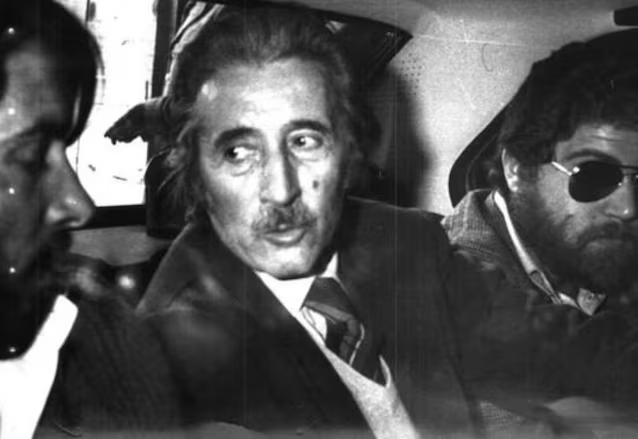
The matter has never been clarified and historians still debate the real consistency of the project. What is certain is that the plan was never implemented. Dream and other conspirators were tried, but acquitted.