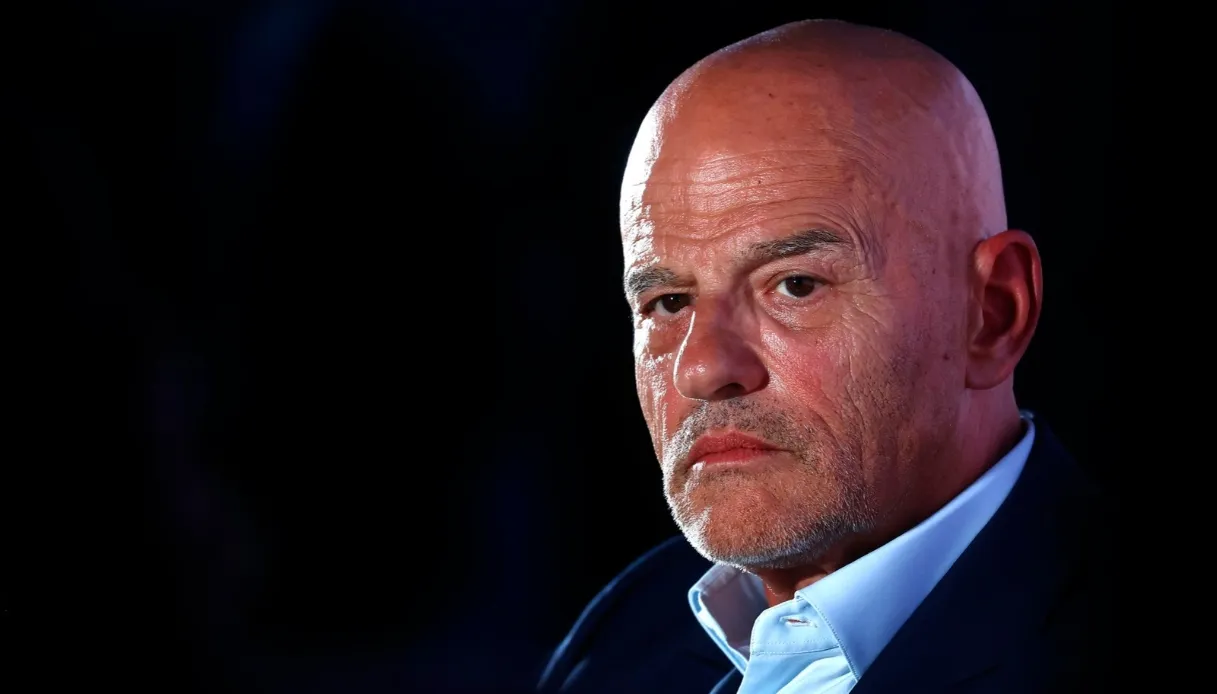
During the States General of Energy on 25 November 2026, Eni’s CEO Claudio Descalzi uttered worrying words: Europe risks being left with little gas available and prices destined to rise further if winter brings cold temperatures.
And for a country historically exposed to high bills and energy poverty like Italy, with families struggling to meet daily expenses, this is not good news. Meanwhile, the energy giants continue to rake in profits and remunerate shareholders.
Because Italy risks new gas price increases
These were the words of Claudio Descalzi from the stage of the event:
If a very harsh winter were to arrive we would have some problems: there is little gas in the system and if there is no gas prices will rise. (…) From 1 January 2027, approximately 20 billion cubic meters of Russian gas will disappear from Europe and replacing them in a short time will not be easy, because stocks are low and it will take at least a year or a year and a half to restart supplies from the Persian Gulf at full capacity.
The country finds itself between a rock and a hard place again. If on the one hand Italy is approaching winter with its gas reserves more than 90% full, on the other hand there is concern about the stability of the European system in the phase of replenishing stocks in 2027, when the definitive stop to the remaining commercial agreements on Russian gas will be triggered.
The Minister of the Environment and Energy Security Gilberto Pichetto Fratin is trying to cool the alarms, recalling that national storage has approximately 19 billion cubic meters of reserves. But even without immediate physical emergencies in Italy, the European market mechanism links our bills to international prices, leaving families exposed to new price flare-ups.
Eni’s profits and shareholder remuneration
Thus, while many consumers would ask for an advance on their salary to pay for electricity and heating, the energy scenario continues to guarantee solid margins for large operators. In the first nine months of 2026 Eni confirmed robust financial results, supported by upstream production and the growth of the Plenitude division, guaranteeing rich remuneration to shareholders:
- the distribution of a 2026 ordinary dividend set at 1.05 euros per share, up 5% compared to the previous year;
- the continuation of the multi-year buyback plan (repurchase of own shares) to support the value of the stock on the stock exchange;
- an operating cash generation capable of fully covering investments and dividend policy despite market volatility.
Tajani excludes further taxes on extra profits
The short circuit between the alarm about the costs for citizens and the positive balance sheets of the companies has put the idea of a new levy on extra profits back on the political table, but the executive comes to a closure without appeal. Again from the States General of Energy, it was the deputy prime minister and foreign minister Antonio Tajani who dismissed any hypothesis of a tax on extra profits.
According to the leader of Forza Italia, companies’ profits cannot be hit twice, especially after the contribution of around 700 million euros already foreseen in the Budget Law. Thus the usual Italian paradox remains intact: on the one hand the cash register continues to smile on the energy big names, on the other the citizens’ pockets are left to pay the bill for increasingly expensive gas. Almost 2 million will choose to spend the worst part of the winter in the cold.