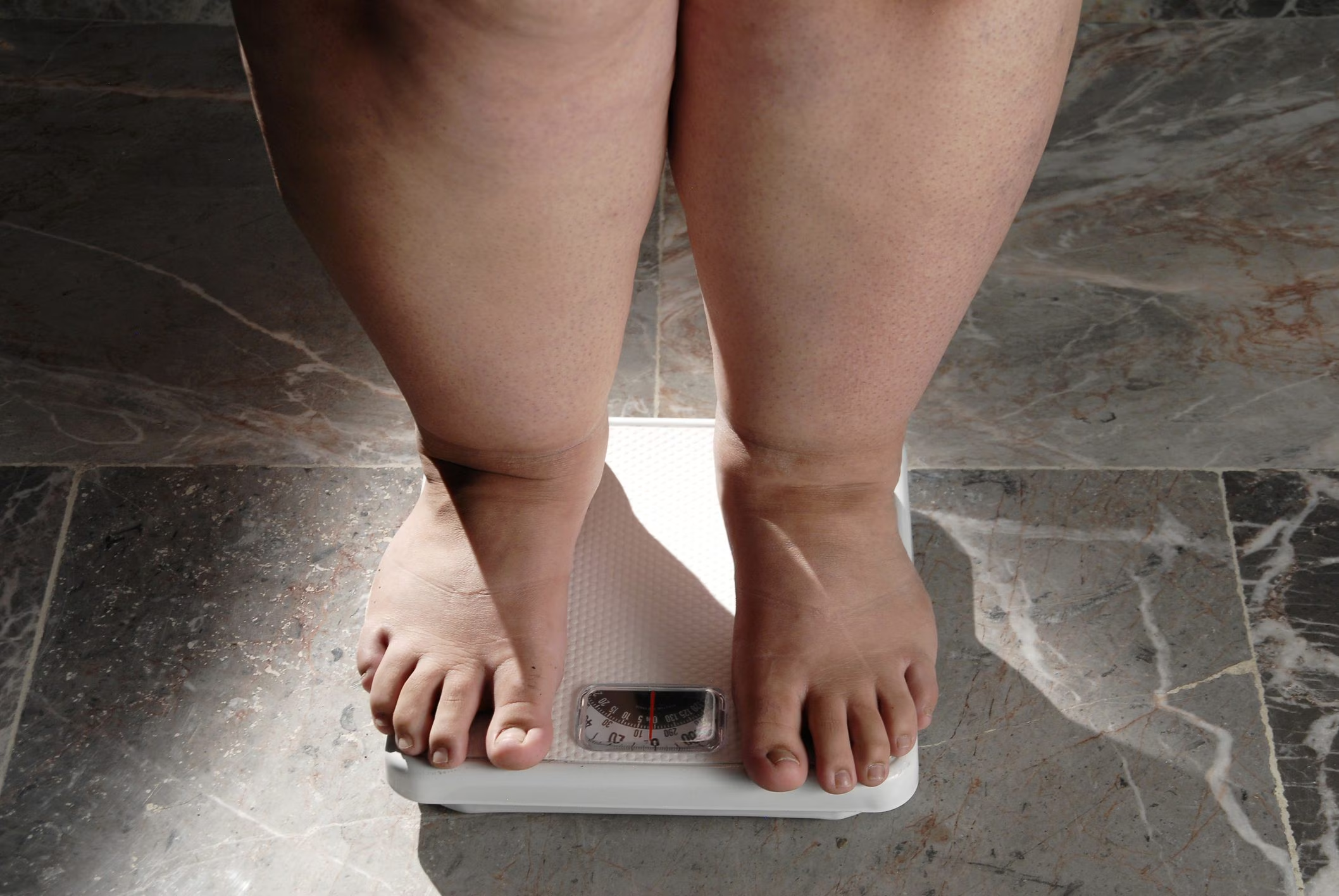
According to the latest Istat data, in 2025 46% of Italian adults were overweight: 35% overweight and 12% obese. And if compared to 2015, the share of overweight people has decreased slightly, that of people with obesity has increased by almost two percentage points. Excess weight, measured in the adult population by body mass index, is more frequent among men than among women.
In this article we see the numbers of excess weight in Italy, how overweight and obesity are defined and which age groups are most affected.
How many people are overweight in Italy?
The most recent national data is that of the Istat report Health risk factors: weight, sedentary lifestyle, smoking and alcohol – Year 2025according to which 46.4% of Italian adults are overweight. This percentage is divided into:
- 34.8% overweight
- 11.6% with obesity
The overall figure for 2025 is very similar to that of previous years: in 2023 the share of adults overweight was in fact 46.3%. However, looking at the ten-year variations, some differences emerge: between 2015 and 2025 the overall share increased by 1.3 percentage points, but above all the obesity component grew, going from 9.8% to 11.6%. In the same period, the share of overweight people decreased slightly, from 35.5% to 34.8%.
How overweight and obesity are defined by Istat
To interpret this type of data it is necessary to pay particular attention to the definition used by Istat to identify overweight and obesity.
The Istat data is extrapolated starting from the body mass index – in English BMI, Body Mass Index – obtained as the ratio between the weight expressed in kilograms and the square of the height expressed in metres:
BMI = weight (Kg) / height2 (m2)
For example, a person who weighs 90kg and is 1.8 meters tall will have a body mass index of 90/(1.8)2 = 27.8 kg/m².
Specific threshold values are then used to define overweight and obesity.
For the adult population, following the international guidelines adopted by the WHO, the following are considered:
- overweight people with a body mass index value between 25.0 – 29.9 kg/m²
- obese people with a value ≥ 30 kg/m².
BMI, however, does not directly measure the amount of body fat or distinguish between fat mass and muscle mass: it is therefore only an indirect indicator of adiposity. For this reason, at an individual level, it can provide an incomplete indication of physical fitness, especially in people with particularly high muscle mass.
In fact, a person with a lot of muscle could be classified according to BMI as overweight even if in reality he is not. It may therefore be useful to associate this parameter with other assessments, such as waist circumference and body fat percentage.
To define excess weight in children and adolescents aged 3-17 years, Istat uses the threshold values for sex and month of life developed by Cole TJ, Lobstein T. (2012) and adopted by the International Obesity Task Force (IOTF).
How much age and gender impact
Age is highly correlated with excess weight. In particular, in 2025 the share of overweight people ranged from 16.8% among 18-24 year olds to 41.6% among those over 75. Obesity was also more frequent in older age groups, exceeding 15% among 65-74 year olds.
Gender is also an important difference. In 2025, 55.1% of adult men were overweight, compared to 38.2% of women. The gap is particularly marked in the central age groups: between 35 and 59 years the prevalence of excess weight in men exceeds that of women by more than 20 percentage points.
The problem also concerns younger groups: in the two-year period 2024-2025, 26.0% of children and young people between 3 and 17 years old were overweight: approximately 2 million minors. This percentage then rises to 34%, more than one child in three, in the regions of Southern Italy. The percentage is also higher (32%) among children aged 3-10 years, while it drops to 18% among adolescents aged 14-17 years. Even among minors there is a difference between males and females: overall, excess weight affects 28.6% of males versus 23.1% of females.
The World Health Organization (WHO) indicates that overweight and obesity are associated with an increased risk of numerous chronic diseases, including type 2 diabetes, hypertension, cardiovascular disease, osteoarthritis and some cancers. Excess weight can also worsen existing health conditions.
At Italian level, the most recent regulatory reference is Law no. 149 of 3 October 2025, which recognizes obesity, when correlated with other pathologies of social interest, as a progressive and relapsing disease and provides measures for prevention and treatment, in addition to access to the services included in the Essential Levels of Assistance (LEA).