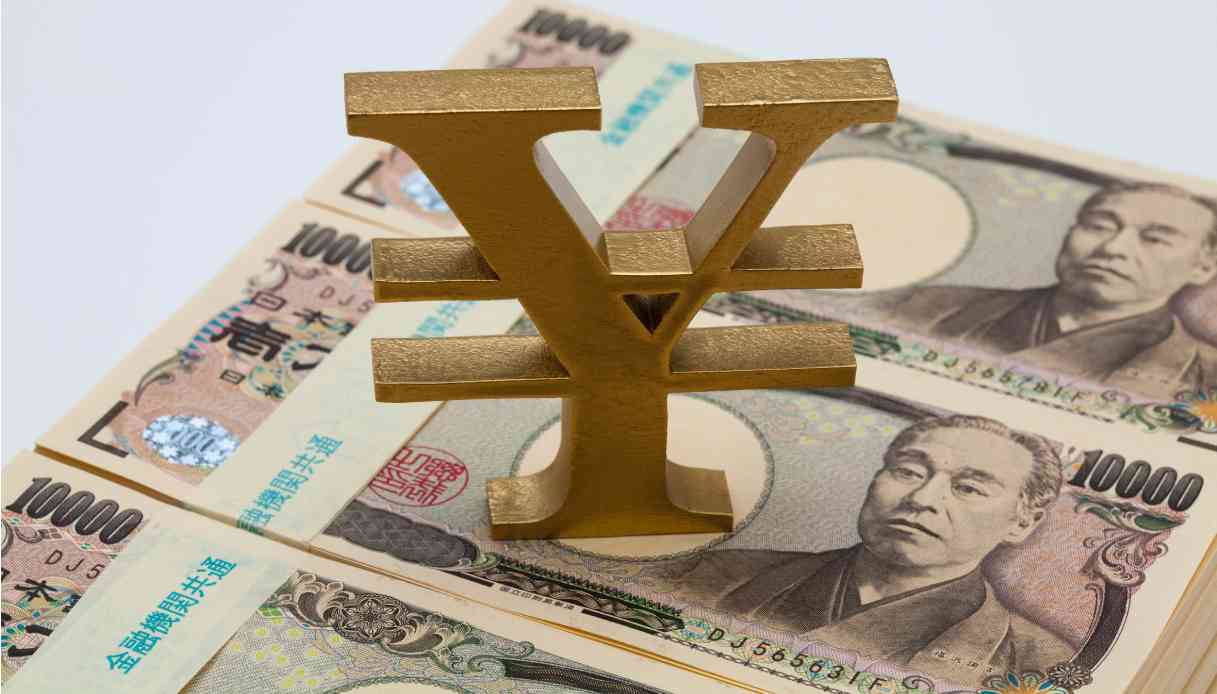
The Bank of Japan, such as the Bank of England and the ECB, also leaves the interest rates, which remain very close to zero and announces a plan for the sale of the ETFs and real estate funds (J-REIT) in wallet, putting an end to the ultra expansive policies typical of the Abenomics and giving a signal to the markets after the increase in July rates.
The Yen in fact appreciated itself on the currency market, while the performance of Japanese government bonds (JGB) grew, serving a more probable increase in rates in October.
The decision on ETF rates and sales and funds
The Board of Directors voted, with a majority of 7 to 2, to leave the interest rates unchanged to 0.50%, as per the market expectations.
As regards the Exchange-Traded Fund (ETF) and the Japanese real estate municipal funds (J-REIT) in its possession, the Central Bank has decided, unanimously, to sell these activities in accordance with the fundamental principles for their transfer, including the principle of avoiding destabilizing effects on financial markets. The extent of sales will be equivalent to that of “actions purchased by financial institutions” (ETF and J-Reit sales amounts will represent about 0.05% of market negotiation values).
In March 2024, Boj had decided to stop purchases of Etf and J-Reit in March 2024, but has now restarted sales on the market at a rhythm of about 330 billion yen per year for ETFs and about 5 billion for real estate funds.
The reasons for the choice
Boj believes that the Japanese economy has recovered moderately and private consumption have shown a good estate, reflected to improve the employment situation and income and despite the weakness of the sentiment of consumers due to the impact of the increases in prices and other factors.
On the price front, with the continuation of the measures aimed at transferring the wage increases to sales prices, the annual increase rate of inflation has recently stood between 2.5% and 3%, due to the effects of the increase in food prices, such as those of rice and other factors. Inflation expectations have increased moderately.
In any case – it is stated – “remains very uncertain” as commercial and other international policies will evolve and how economic activity and prices will react. It is therefore necessary to pay due attention to the impact of these developments on the financial and currency markets, as well as on the economic activity and prices in Japan.