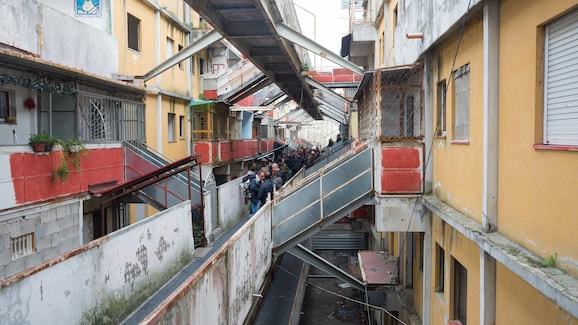
The Leoncavallo was cleared in Milan: it is one of the most important and historical social centers of the Lombard capital, which has become a place of social and cultural aggregation over the years for various generations of young people.
The operation was carried out yesterday morning, Thursday 21 August: the eviction order of the occupied building had been requested by the property in 2003, but had been postponed 103 times. Although the headquarters were occupied, the news aroused several criticisms from the citizens and the mayor Giuseppe Sala, who underlined “the historical and social value” that Leoncavallo has for Milan.
The space, located in via Watteau, had in fact become a popular symbol of the city and hosted various cultural activities, including a serigraphy laboratory, an area for independent video game developers, a popular Italian school and a theater workshop.
In an X post, the Minister of the Interior Matteo Plantedi instead stressed that the eviction was necessary to restore a situation of legality, given that the property had been illegally occupied. So let’s see the history of Leoncavallo and what are the other possible locations of the social center on which they are discussing.
The history of the Leoncavallo social center
The history of Leoncavallo dates back to 1975, when a disused area of about 3,500 square meters (located right in via Leoncavallo, in Milan), was occupied by a group of extra -parliamentary militants who had participated in the 1968 revolutionary movement. From the start, several cultural initiatives dedicated to citizens were organized inside, including a popular school to allow workers to obtain the license of middle schools. In those years, in fact, several social centers arose in Milan, especially in the suburbs, where it was often necessary to face the absence of services for the inhabitants, from nurseries to popular canteens and gynecological consultants.
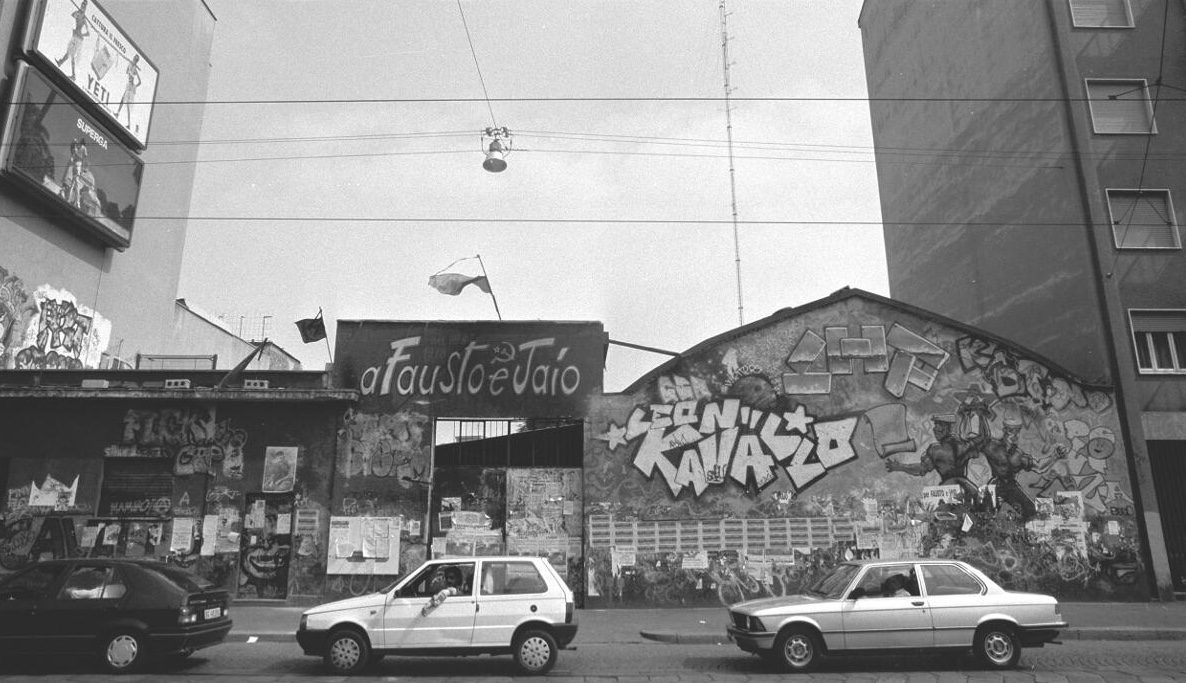
In 1978 the social center became famous throughout Italy following the murder of Fausto Tinelli and Lorenzo “Iaio” Iannucci, two young militants of the Leoncavallo engaged in an investigation into the spread of heroine in the neighborhood. The reaction of citizenship was important: on the funeral day the factories strike and one hundred thousand people went to Piazza Duomo to protest. The mothers of Fausto and Iaio, together with other women of the social center, then gave birth to the group “Mamme del Leoncavallo”, working in the fight against heroin.
In 1994, then, the original headquarters was cleared, after several years of clashes: the social center temporarily moved to a headquarters in via Salomone, to the Southest of Milan (also clearly clear), and then moved definitively to via Watteau, to Milan North, where it remained until the eviction of August 21.
The socio-cultural value of Leoncavallo for Milan
But then, why has this eviction arouse so many criticism from the population? The response lies above all in the socio-cultural value that Leoncavallo had acquired over the years: the new location, in fact, hosted various cultural activities, from the screenpraphy laborerio, to the space for independent video games developers, to a popular Italian school and a theatrical laboratory. At the same time, it had become the seat of public meetings and debates on different social issues, as well as fairs dedicated to food and music.
Among other things, Leoncavallo had acquired even more importance for the population after another social center had been closed in 2021 in the East area of Milan, known as Macao. In short, it had become a meeting place for the population, where you can attend cultural events free of charge and inclusive for everyone.
The current situation and the hypothesis on the transfer of the Social Center
At the moment, the situation is still uncertain: after 31 years of employment and 103 attempts at eviction, the social center has been officially evicted. In the meantime, however, the Municipality of Milan has launched a dialogue with the Leoncavallo anti -fascist mothers association, with the aim of identifying another location for the social center, so that they return to operate in the middle of legality. For some time rumors have been circulating on the possible transfer to a building in Milan South, in the Corvetto district, but this hypothesis has not yet been officially confirmed.