In pre -Columbian peru there was a very effective way to take into account important numerical information such as accounting, the passage of time, taxes and censuses: i Quiup(or KIPU), a term that in the native language of the Peruvian plateaus, Quechua, literally means “knot”. The Inca civilization did not have a writing system, but i Quiup They constituted an effective method to communicate information closely linked to the administration of settlements, foodstuffs and the army at a distance.
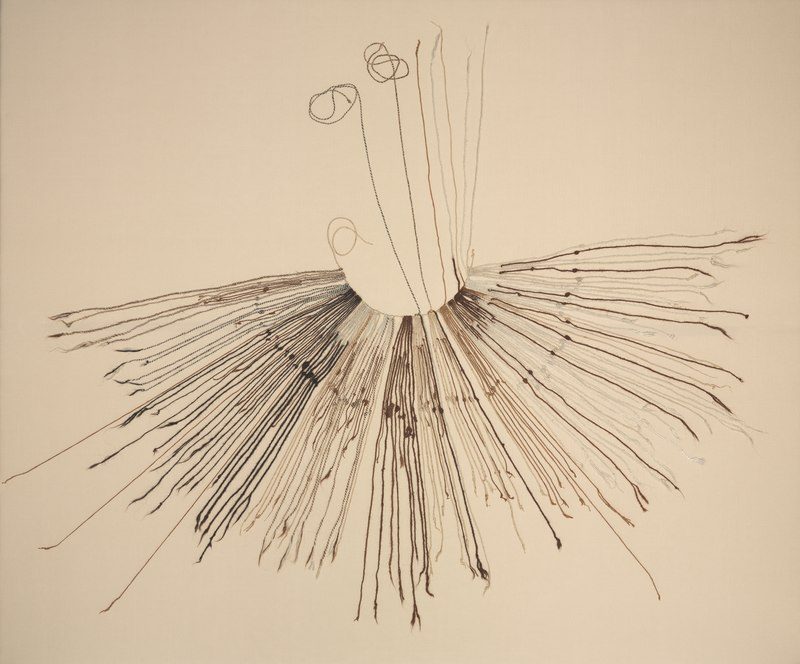
THE Quiup They were composed of a series of wires, made of cotton or blade or alpaca wool. The color of the threads, their thickness, and the position of the knots constituted a standardized decimal system to write down numerical information of various kinds. In the past, some scholars have tried to glimpse in the combination of the threads a real alphabetical system, but there is no concrete proof of this. It was a simple but effective system: still today some Quechua from Peru use simple Quiup to take into account the domestic accounting.
A Quiup It was formed by a main rope, from which many secondary ropes were hanging, often with further branches. The knots were made in specific positions and could be simple or composed. The color of the ropes also had a meaning, and inside the Inca empire there were officials in charge of their reading, i Quipucamayocwho took into account trade and census. THE Quiup They were legible starting from the horizontal support thread, from which all the others were hanging. The position of the knots and the type of knot represented the numbers in a decimal system. The lower nodes represented the units, the higher the tens, then the hundreds, and so on. They probably also existed combinations that represented standardized formulas, whose interpretation was lost.
Although it seems that i Quiup they were already used by Caral’s culture in the second millennium a. C., The first artifacts of this kind found by archaeologists certainly interpreted are dated to the end of the 1st millennium a. C., to the period of Culture Paracas. The system of Quiup It developed during the first millennium of. C., and then perfected in the period of the Inca Empire (XII-XVI century). In the Peruvian plateau, i Quiup they were delivered to the various administrators by Chaskiskilled runners capable of covering thousands of km. With the Spanish conquest of Peru in the second half of the 16th century, the system of Quiupas well as the entire Incaic civilization, entered into crisis. These account tools, considered a legacy of the past, were burned and prohibited, replaced by Spanish writing, and today there are very few who have been kept from the Inca period.