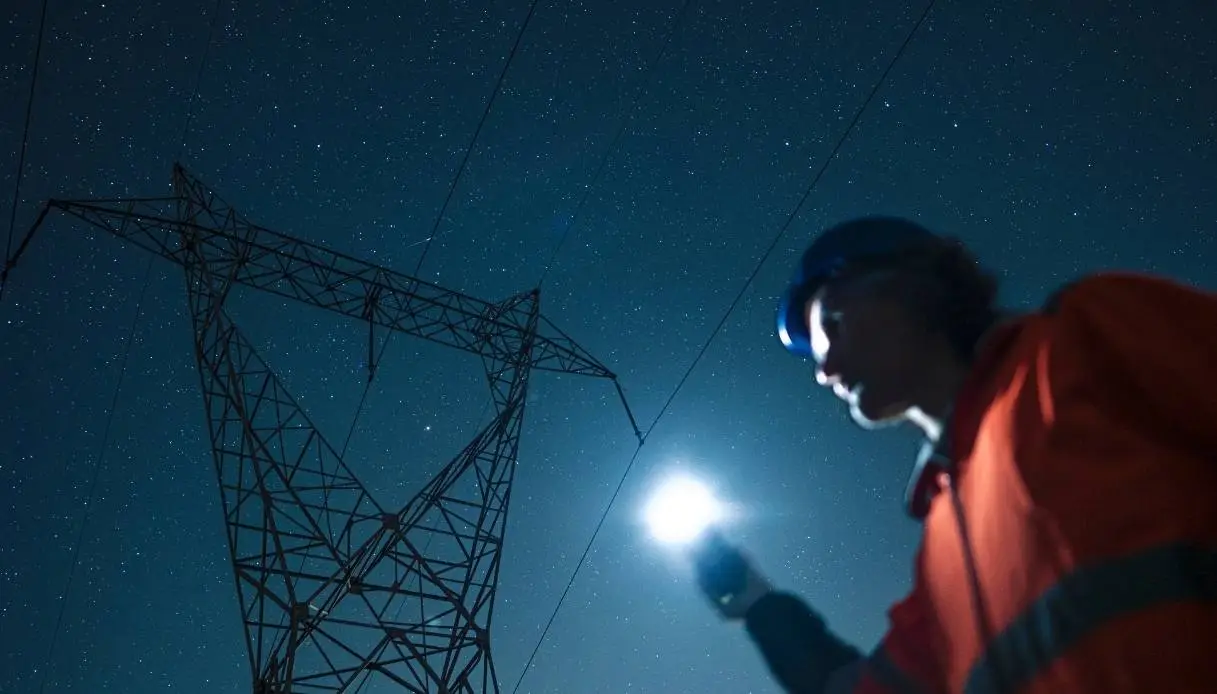
The invitation of the European Energy Commissioner, Dan Jørgensen, to “prepare promptly” for more complex scenarios has led to the diffusion, especially in the journalistic field, of the concept of energy lockdown. The reference is to the possibility, currently hypothetical, of having to manage an energy crisis with extraordinary tools due to the war in Iran. An energy lockdown indicates a situation in which authorities intervene with mandatory measures to reduce the use of electricity, gas and fuel, in order to ensure the stability of the system.
What is energy lockdown
In practical terms, the energy lockdown coincides with a rationing of consumption. These are interventions that can involve families, businesses and services, with different levels of intensity.
Possible measures include:
- limits on heating and use of air conditioning;
- reduction of public and private lighting;
- restrictions on travel and use of fuel;
- slowdown or suspension of non-strategic industrial activities.
There is currently no operational plan defined at European level. These are tools already used in the past in emergency situations. A relevant precedent is the energy crisis of 1973, when measures such as the ban on car circulation on certain days and the reduction of energy consumption were introduced in Italy too. Compared to that period, the current context is more complex. Consumption has increased significantly and energy has become central to everyday activities such as technology, communications and digital services.
What are the prospects in Europe
The indications coming from the European Union, considering the blockade of ships on the Strait of Hormuz, do not foresee, at present, immediate obligations. These are recommendations that aim to reduce consumption and prepare economic systems for possible critical situations. Among the main suggested measures:
- reduce the use of diesel and aviation fuels;
- encourage smart working;
- limit unnecessary travel;
- encourage public transport and car sharing;
- introduce lower speed limits;
- discourage flying when alternatives exist.
The objective is to intervene on behaviors before arriving at more restrictive measures. Another central theme concerns the management of the sectors with the highest energy consumption. According to Istat data, among the most relevant sectors in Italy, from this point of view, are metallurgy, rubber and plastic production, mineral processing and the food industry. These activities are considered strategic and, in the event of a crisis, could be protected to ensure economic continuity. At the same time, essential services, such as healthcare, public transport and security, also remain priorities in the allocation of energy resources.
The measures adopted in other countries
Some countries have already adopted concrete measures to reduce consumption. Planned blackouts have been introduced in Bangladesh, while in Myanmar the use of fuel and the circulation of cars have been limited. In other contexts, interventions have been made on daily habits, with reductions in the use of air conditioning, incentives for public transport and greater diffusion of smart working. Incentive tools have also been used, such as free public transport or reductions in the working week to contain consumption. Australian Prime Minister Anthony Albanese has called on people to save fuel where possible and to “do their part” to get through the difficult times ahead.
“If you travel, don’t fill up more than necessary: fill up as you normally would. Think of others in your community, rural areas and critical sectors,” he said. “And in the coming weeks, if you can switch to the train, bus or tram to work, do so.” He also admitted that economic shocks “will be with us for months.” In a crisis scenario, the energy lockdown would represent an extreme measure, but already contemplated in the emergency strategies to avoid more serious impacts on the economic and social system.









