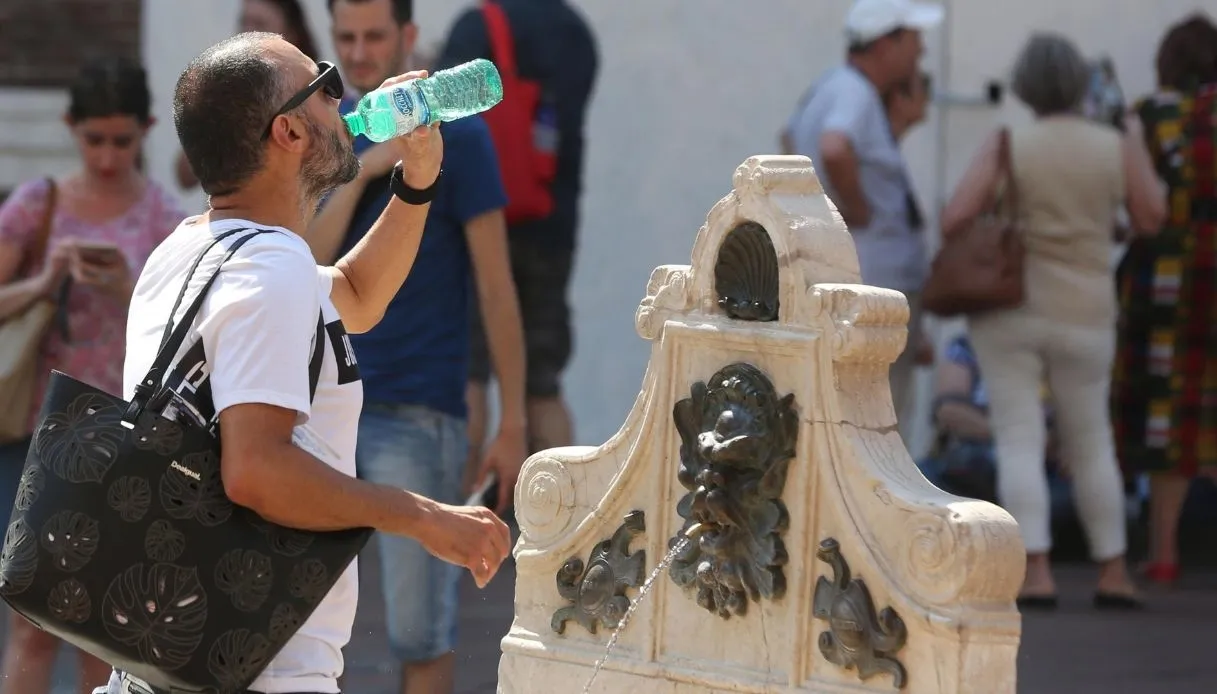
In Italy, around 700 extreme weather events occurred in the month of June alone, equal to over 23 episodes per day. Between record heat waves alternating with violent thunderstorms, hailstorms, tornadoes and gusts of wind, what until a few years ago was considered an exceptional event is becoming a constant feature of Italian summers. All this has negative consequences not only on the environment and the health of citizens, but also on the national economy.
How much climate change costs Italy
According to an analysis by Coldiretti based on Eswd data (European severe weather database), anomalous climate phenomena more than doubled in 2026 compared to 2025, while in the last four years they have caused over 20 billion euros in direct and indirect damage. Furthermore, more than 28% of the national surface is now exposed to the risk of degradation and desertification.
The reduction in water availability, combined with increasingly higher temperatures, compromises the fertility of the land and makes it more difficult to maintain adequate production levels. This phenomenon mainly affects some areas of Central-Southern Italy, but also increasingly involves territories traditionally rich in water, such as the Po Valley.
However, the idea that climate change simply means higher temperatures in summer is now outdated. Meteorological instability is growing, with days characterized by temperatures above 35-40 degrees which can be followed, within a few hours, by violent thunderstorms.
And every extreme event generates a long series of expenses that impact the entire economic system. Local governments often find themselves having to deal with sudden emergencies, with damage to buildings, roads, crops and infrastructure, while citizens and businesses suffer business interruptions and economic losses.
Insurance companies are also recording an increase in compensation, while public bodies are having to allocate increasing resources to emergency interventions. Added to all this are the productivity losses caused by interruptions in economic activities and the health costs linked to heat waves. The climate and environmental crisis, therefore, translates into growing pressure on public and private finances.
The sectors most at risk
Agriculture is the sector that suffers the most immediate impacts of extreme weather. This is because production directly depends on temperature, water availability and rainfall regularity.
Farms are also under pressure, with heat waves compromising animal welfare, decreasing milk production and increasing energy costs for refrigeration and ventilation of the facilities.
These difficulties are then transferred to the entire agri-food chain, which reacts – often just to survive – by increasing prices and postponing investments and production.
Finally, Italian tourism is another sector highly exposed to the effects of climate change. Even if the numbers of tourist flows are encouraging, increasingly frequent heat waves can change the habits of visitors, especially in art cities and inland areas, which risk emptying due to high temperatures, which make visits during the summer months less attractive.
Seaside resorts also have to deal with coastal erosion, violent meteorological events, the increase in sea temperatures and phenomena such as the proliferation of invasive species which can affect the tourist offer. At the same time, industry operators face increasing costs for air conditioning, water management and facility maintenance, which puts pressure on budgets and possible earnings.









