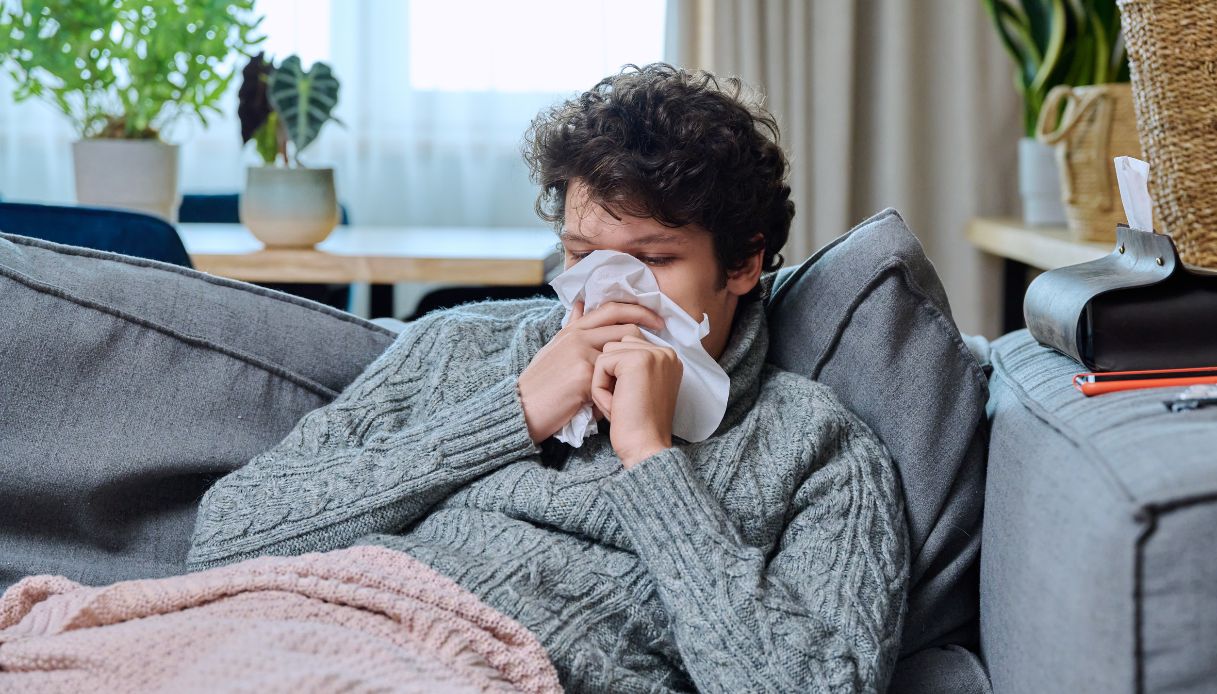
The flu season accelerates its pace in Italy. Since monitoring began, estimated cases have already exceeded 1.7 million, with 435,000 new contacts in the last week alone. A slight increase compared to the previous seven days, which confirms a constantly rising curve. The data comes from the report RespiVirNet of the Istituto Superiore di Sanità.
When is the flu peak expected?
Fabrizio Pregliasco, virologist at the University of Milan and scientific director of the Respiratory Virus Observatory, explains the dynamics of the spread:
It is difficult to predict the peak. Weather conditions have an impact, in particular the sudden drop in temperature and the increase in humidity. Intense social relationships during the end-of-year holidays and then the resumption of school can be the conditions for reaching the peak of the season.
The comparison with last year is complex because the methodology for recording cases has been changed: the surveillance system, in fact, has updated its definitions.
We no longer monitor flu-like syndromes (Ili), but acute respiratory infections (Ari). As regards Covid, cases are lower than in the same period of the previous year, as are hospitalizations, which mainly affect those over 65.
Of greater concern, however, is the situation in the United States, in particular with regard to avian influenza.
Who are the most affected by the flu in 2025
Children between 0 and 4 years old remain the most affected, with an incidence of approximately 23 cases per 1,000 assisted. Nationwide, the overall rate rose to 7.64 cases per thousand. The intensity of the epidemic is still defined as low, but the new calculation method introduced this year makes comparisons with previous seasons difficult.
In this scenario of growing viral circulation, the Istituto Superiore di Sanità reiterated its recommendations, underlining the need to protect the most fragile groups.
Vaccination is strongly recommended:
- to the elderly, more exposed to complications;
- to children, who have high levels of contagion and contribute to the spread;
- to patients with chronic pathologies, for whom the flu can aggravate existing conditions.
Anti-Covid vaccination when indicated and basic hygiene rules also remain fundamental, such as frequent hand washing and limiting contact in case of symptoms. The active participation of citizens in adopting responsible behavior is crucial to tackling the viral wave and containing the impacts on public health as much as possible.
Alarm from the USA: first human case of H5N5 avian influenza
Overseas, meanwhile, epidemiologists are keeping an eye on a new development: the first human case of avian influenza H5N5 strain has been recorded. The patient is a resident of Washington State, and this is the first human infection in the United States since last February. Health authorities have confirmed that this is the first time this specific strain has been identified in humans.
After 9 months without human infections, the Washington case puts the spotlight back on the virus. Since 2022, the H5N1 strain has been circulating predominantly in the USA, responsible for large epidemics among poultry and, more recently, in dairy cattle.
Between 2024 and early 2025, there had been 70 infections across the country, with only one death linked to the infection in Louisiana. The virus spreads through the saliva, mucus, feces and milk of infected animals. The authorities stress that there is currently no evidence of person-to-person transmission. Monitoring of the patient’s close contacts is ongoing, but no further cases have been identified so far.