The Budget Law 2026 in preparation after the summer break sees some key interventions at risk, from the promised cut of the IRPEF for the average class to the new intervention on pensions, due to the lack of funds.
The Meloni government, committed to reassuring the markets while maintaining public finances in order, aims to bring the deficit under 3% of the GDP by 2026. Despite the air of greatest confidence on the markets, reported by a spread between Italian and French titles that went down under 10 base points, the lowest level since 2005, the search for resources for the next autumn maneuver remains open.
Irpef cut at risk: because the covers are missing in the maneuver 2026
September approaches, the hands mark these last days of August not too slowly, and we already think about the next maneuver. As for the Irpef cut, the executive aims at an lightening for the middle class, but each choice in this direction involves important costs and the need to find certain resources.
The hypothesis is to lighten the rate applied to the second scaglione (income between 28 and 50 thousand euros), today to 35%, intervening on the sampling of the average class and consolidating the three -bracket set -up introduced in 2024. It is evaluated to bring it to 33%.
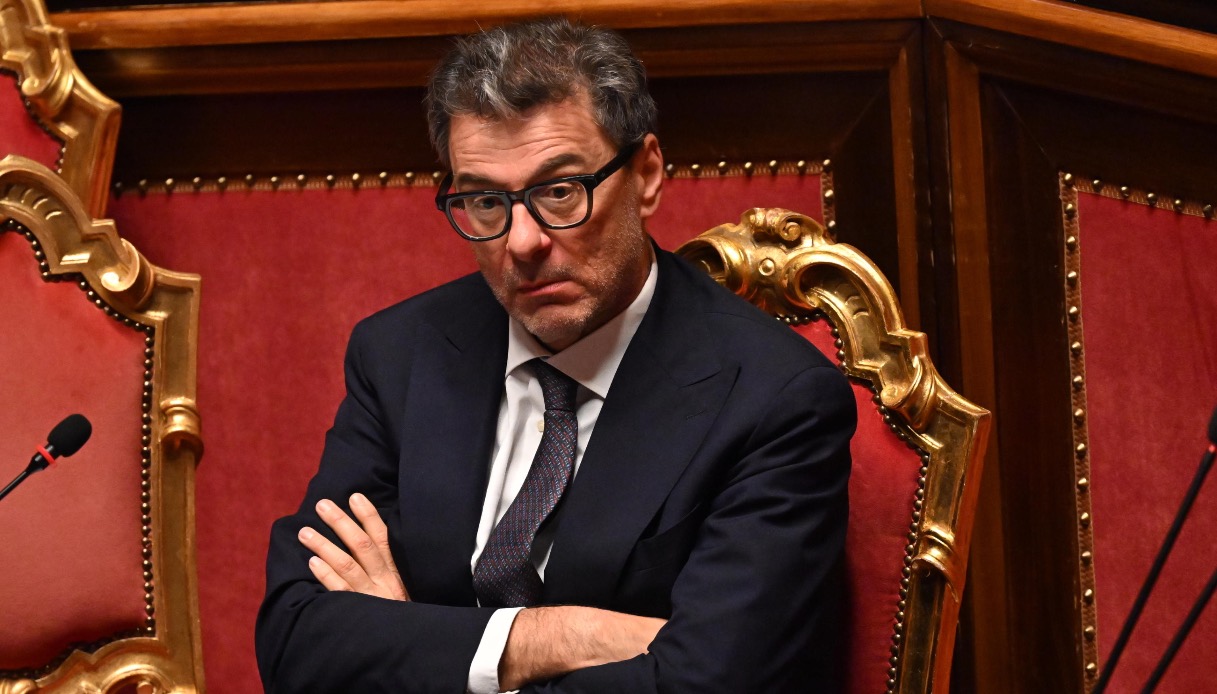
An intervention of this type would produce an average benefit up to about 440 euros per year for taxpayer in the affected band, but would imply minors in the order of 4 billion: sustainable only with certain covers, so as not to compromise the balance of public finance reiterated by the minister Giancarlo Giorgetti.
The question of the quinquies scrapping
On the table there is also the idea, supported by the League, of a new “scrapping” of the folders (the quinquies scrapping) to reduce disputes and recover resources. However, the substance does not change: any reduction of tax or remediation requires covers and must coexist with increasingly rigid budgetary constraints.
Pensions reform in the balance: the retirement age could climb
The theme of pensions remains one of the most delicate. According to current legislation, a three -month automatic increase in the exit age, which would pass from 67 to 67.3 years due to the adaptation to life expectancy, would take a 2027 legislation.
The government would like to avoid it, or as they say in jargon “sterilize it”, but to do it you need funds: the estimated cost is at least 300 million euros per year. The League insists in order for this measure to enter the maneuver and, through the Undersecretary Durigon, ensures that the resources will be found. Meanwhile, he put an initial allocation of 200 million on the table.
In addition to this, the party pushes to allow the release at 64 years using the supplementary pension and to reopen the “Women’s option” chapter.
Without certain roofs, however, these projects remain only political announcements that go straight to the belly of an increasingly tired and poor electorate. As for 41, the formula that would allow withdrawal after 41 years of contributions regardless of age, is now considered unsustainable for public finances and is no longer under discussion.