Regulation (EU) 2025/40 on packaging and packaging waste enters its application phase in all European Union countries today, 12 August 2026. The date of entry into force dates back to 11 February 2025, but from today its rules become directly binding in each member state, without the need for any internal legislative transposition step. Be careful of a misunderstanding that we have already had the opportunity to clarify: in fact, from today there will be no ban on single-use plastic.
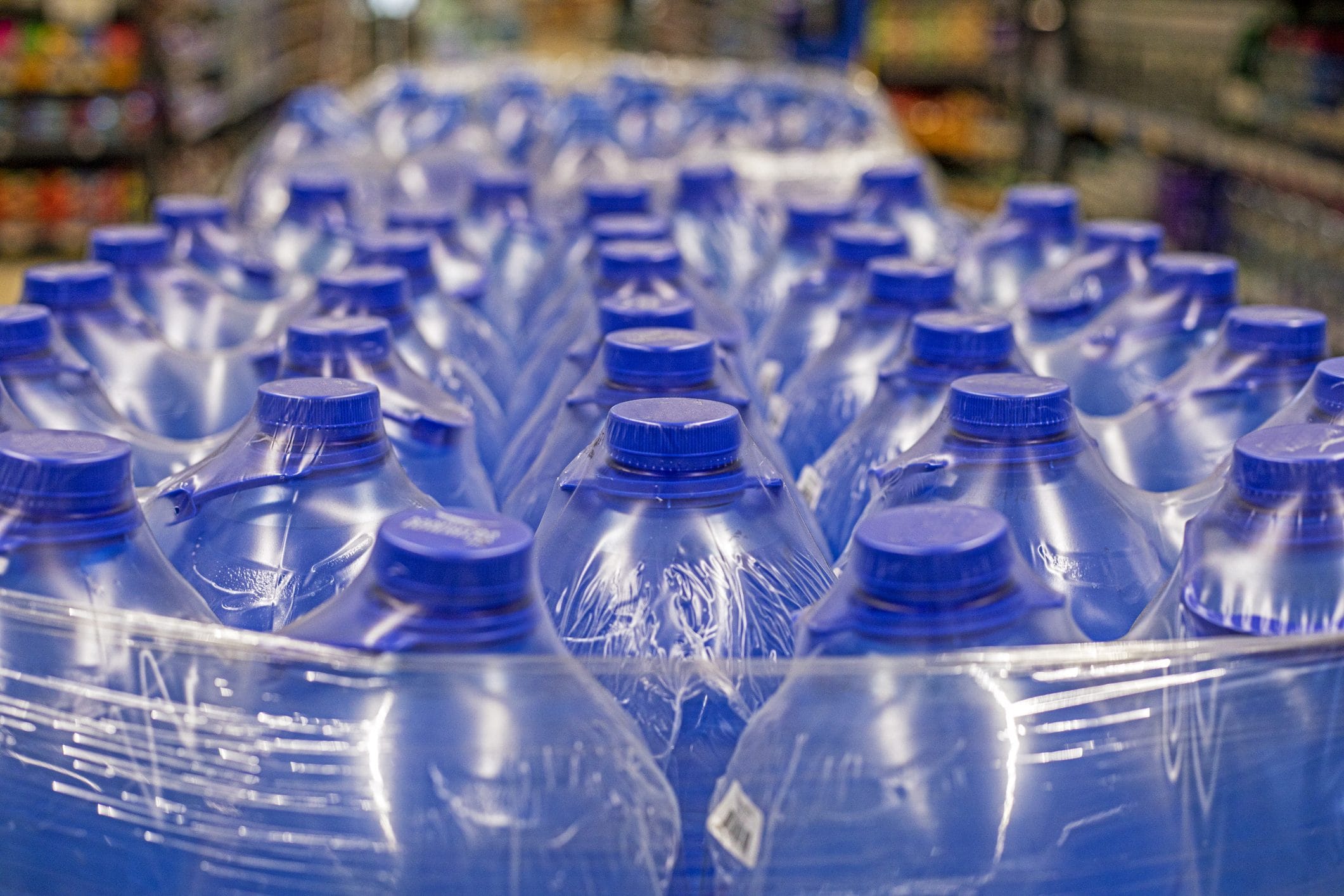
Single-dose ketchup sachets, the wrappers that hold bottles together in water crates, fruit trays and hotel bathroom bottles will continue to be sold, their stoppage is set for 1 January 2030. What begins today is, if anything, the countdown to progressively change the rules and ways in which packaging is made and disposed of in Europe, with the aim of promoting recyclability and reducing its impacts and quantities, a sequence of obligations and deadlines that extends until 2040. Let’s see what the immediate changes are and what stages await us in the coming years.
What changes from today on packaging: EU Regulation 2025/40
What really changes in August? Starting today, the rules for plastic packaging will change which, in the European market, will prohibit food packaging containing PFAS above specific thresholds, at the same time the limits on materials containing heavy metals such as lead, cadmium, mercury and hexavalent chromium will be strengthened. The regulation sets three precise limits beyond which food packaging will no longer be able to circulate in the EU market: each single PFAS searched for with targeted analysis must not exceed 25 ppb (parts per billion), the sum of all those detected must remain below 250 ppb, and the overall total cannot go beyond 50 ppm.
Furthermore, the regulation also puts in black and white a ceiling for the four heavy metals already mentioned, whose overall concentration, in packaging or in individual components, must stop at 100 mg/kg. The overall meaning of the operation is to design packaging that contains the bare minimum of dangerous substances. And the burden of proof falls on the companies, which will have to accompany their products with technical documentation and declarations of conformity.
Packaging bans coming in 2030
As we said at the beginning, there are other deadlines that EU countries must respect. For example, by 1 January 2029, EU countries will be required to introduce deposit systems for single-use drinks containers, whether made of plastic or metal. The obligation falls only for states that demonstrate that they already achieve a high rate of separate waste collection. While the watershed date is January 1, 2030, when bans on various formats of single-use plastic packaging come into force.
These include multipack packaging, plastic films or rings used to hold water bottles together, single-use plastic packaging for pre-packaged fresh fruit and vegetables weighing less than 1.5 kg, single-use plastic packaging for food and drinks consumed on premises, single-use plastic sachets for condiments, sauces, coffee creamer and sugar, single-use bottle packaging for cosmetics and toiletries in hotels, as well as very light plastic bags, those with a thickness of less than 15 microns will be banned, unless they are necessary for hygiene reasons.
Furthermore, again from 2030, single-use plastic bottles must contain at least 30% post-consumer recycled material and all packaging must fall within at least class C recyclability (on an A, B, C scale) in order to remain on the market.
The roadmap to 2040
Meanwhile, Member States will have to reduce packaging waste per capita by 5% compared to 2018 and achieve, again by the end of 2030, the recycling of 70% of all packaging waste, with specific thresholds for each material. In 2035 the squeeze continues and the criterion of effective recycling on a scale is added to recyclability, the reduction of waste per capita rises to 10% and existing security deposit systems that have not achieved 90% collection must adapt to the minimum requirements.
From 2038 only class A or B packaging remains on the market and 2040 closes the journey, with the percentages of recycled content rising up to 65%, the reduction of waste per capita reaching 15% and operators are called to work towards more ambitious reuse targets, such as 70% of transport packaging.