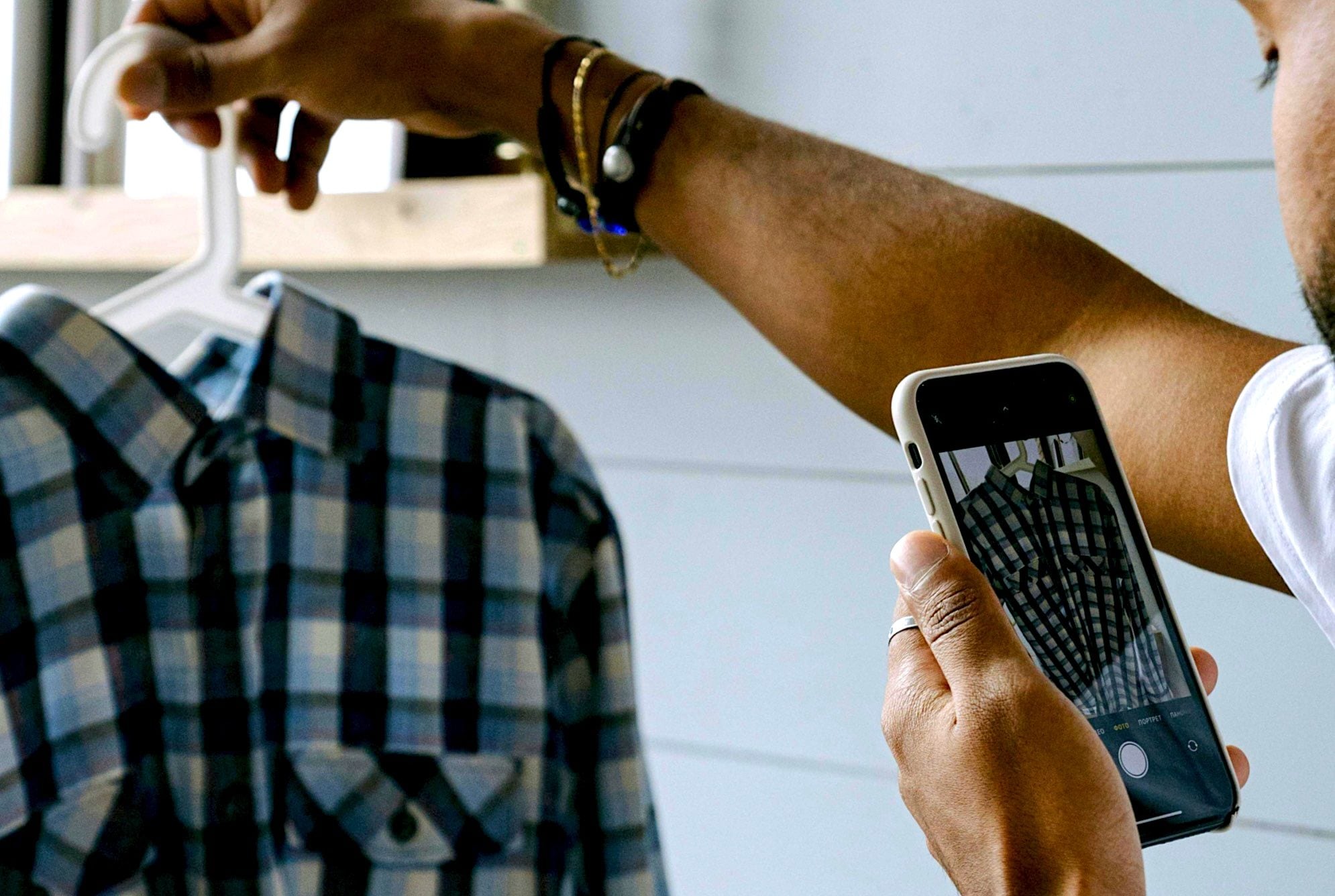
«The package arrived damaged». A sentence like this, accompanied by apparently credible photographs, is enough to put a seller on Vinted in difficulty and turn him into the victim of a new scam that has been circulating in recent months. The mechanism is simple: some bad faith buyers receive a perfectly intact item, digitally modify the photographs by adding scratches, cracks, tears or stains using AI-based tools and then ask for a refund claiming that the product arrived defective. Let’s see how this scam works and what strategies can be adopted to defend oneself.
How the scam against Vinted sellers works
Let’s go into more detail about how the scam works. This is fundamentally based on the use of AI-based image editing tools. Today it is no longer necessary to be a photo editing wizard to alter a photograph in a realistic way: more and more software allows you to add or modify elements simply via text commands. Not to mention the models integrated into ChatGPT and Gemini, which allow you to generate and modify images obtaining ultra-realistic results. With these tools it is possible to simulate defects on accessories, shoes or clothing in a very convincing way. Lights, shadows and textures are in fact automatically adapted to the original image, making the manipulation plausible even to an attentive observer.
The scheme used by scammers is almost always the same: after receiving the package, the buyer photographs the item, alters the images to reveal non-existent damage and opens a dispute by attaching the manipulated photos. If the evidence is considered convincing by the platform’s moderation systems, the payment can be blocked and the refund granted automatically, leaving the seller without money and without a product.
How to protect yourself from the new AI-retouched photo scam
The most effective countermeasure is to carefully document each shipment. The ideal is to record a video while preparing the package, clearly showing that the product is intact before packaging. Registration should continue until the package is closed and the shipping label is applied. It is also advisable to keep the video for at least a few days after delivery. If you receive a complaint accompanied by suspicious images, it is important not to react impulsively. Better to ask the buyer for video proof of the reported damage: manipulating a video in a credible way requires much more advanced skills than modifying a simple photograph. In this case, you should ask for shots from multiple angles and with the camera moving. Often this is enough to put those who attempt the scam in difficulty: those who have something to hide tend to interrupt the conversation or not provide further evidence. In the event of a dispute, the video recorded during the preparation of the package can also become a useful element to demonstrate that the product was free of defects at the time of shipment.









