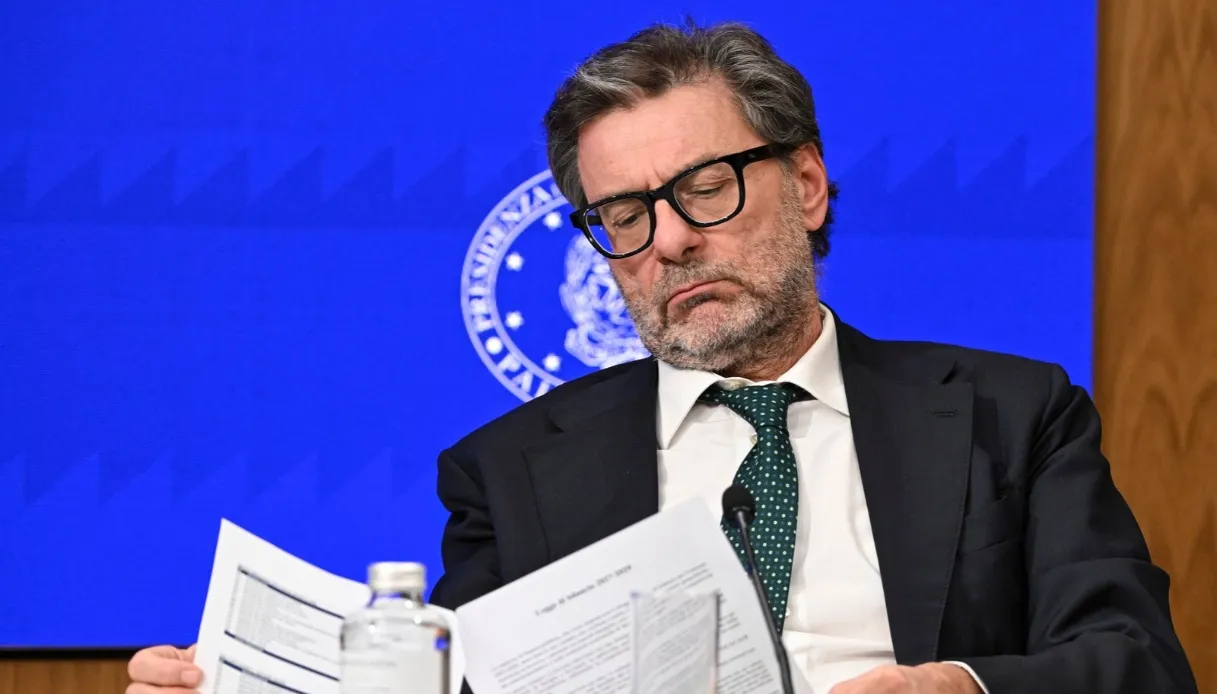
The 2027 Budget Law begins its parliamentary process with a first record: around 6,600 amendments were filed in the Budget Commission, of which around 2,000 presented by the majority parties.
The changes concern the most delicate issues for taxpayers: from pensions to the scrapping of tax bills, up to the Superbonus and the minimum income.
What are the majority amendment proposals
The figure of 6,600 amendments may seem disproportionate but in fact it actually reports the numbers fully operational compared to the historical standards of Parliament. After the cut in the number of parliamentarians, the sessions for the approval of the Budget Law in recent years recorded between 3,000 and 4,500 modification proposals. Only starting from this year are the recorded volumes the same as those of the past decade.
On the social security and tax front, distinct proposals emerge from the same majority, accompanied by a heated discussion on financial coverage:
Pensions
The League has filed around 700 amendments asking to make the voluntary pension advance at age 64 operational as early as 2027 through a 30% increase in the outgoing flexibility fund. To finance the measure, the Northern League proposes an increase in IRES paid by credit institutions, a hypothesis on which Forza Italia maintains an opposing position.
Forza Italia and Noi Moderati instead aim to modify the mechanism décalage for adjustment to inflation, extending the full revaluation from the threshold of four times the minimum up to five or six times the INPS minimum payment.
Finally, Lega and Forza Italia request the allocation of 48 million euros per year to strengthen the social security sector of the police forces.
Building amnesty, scrapping and Superbonus
On the real estate and tax chapter, the majority’s proposals focus on five main directions:
- reopen the terms of the 2003 amnesty for building amnesties in Campania and set 30 June 2028 as the mandatory deadline by which Municipalities must close the still pending practices of the 1985, 1994 and 2003 amnesties;
- study a procedure for the regularization of small abuses;
- evaluate a correction of the obligation to spread the Superbonus deductions over ten years;
- relaunch the reopening of scrapping-quater and quinquies for lapsed taxpayers;
- increase protections for startups and innovative SMEs with respect to the exit tax.
Healthcare and school
As regards social spending and public services, the majority is working to find a further 500 million euros to be allocated to healthcare. On the education front, the stop to school staff cuts already announced to the unions is confirmed, even if the fate of the almost 7,000 places initially expected to be reduced remains to be defined.
The opposition’s proposals
Thousands of proposals also arrive from the opposition accompanied by indications of the relative coverage. In addition to the 18 unitary amendments on the minimum wage of 10 euros per hour, healthcare, pension revaluation and the new guaranteed minimum income, the individual groups also presented other proposals:
- the Democratic Party has filed 1,600 amendments focused on the refinancing of the national health fund, schools, the rent fund and the ecological transition;
- the 5 Star Movement has presented 1,500 proposals which include the automatic indexation of Irpef brackets against fiscal drainage, the raising of the no tax area to 20,000 euros and a sovereign development fund of 100 billion, financed with a tax on banking and energy extra profits, a capital tax on large financial wealth and the cutting of funds allocated to Defense and the Strait Bridge;
- The Greens and Left Alliance has filed around 500 amendments, focusing on the stabilization of university researchers, on a framework law for the climate and on the shift of 3 billion euros from the defense budget to public health.