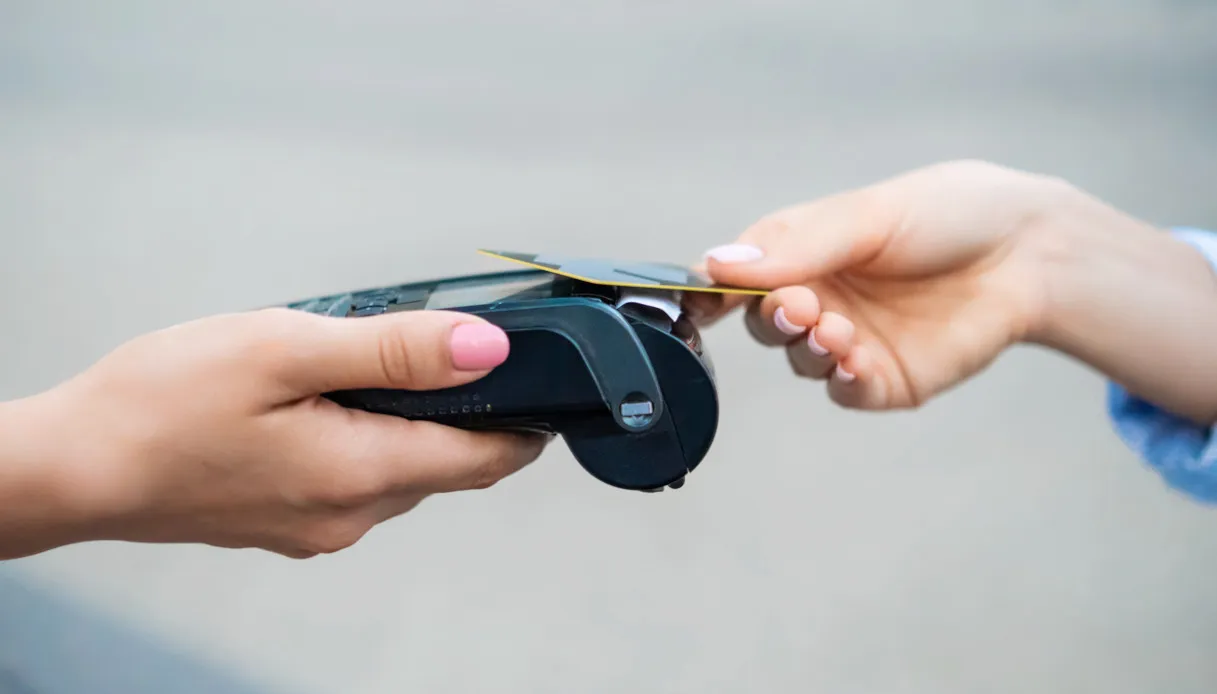
In recent years, the Buy Now Pay Later (Bnpl) market has also recorded significant growth in Italy, following the trend in the rest of the world.
According to analyzes by the Bank of Italy, the use of this form of deferred payment has gone from 4% of households in 2022 to 30% in 2025, although two-thirds of users only use it occasionally.
How the Buy Now Pay Later system works
The Bnpl allows you to purchase goods or services with installment payments without interest or additional charges, making it particularly attractive for those who want to spread expenses over time.
But this ease of access, as Bank of Italy experts point out, can entail significant risks, especially for the most financially fragile families, with medium-low incomes, scarce capital resources or already in debt.
The data indicates that the use of the Bnpl is frequent among those who use installment credit cards or have other debts to consolidate and among those who are late in payments.
Although for two thirds of users this is occasional use, the volume of transactions has reached 9.9 billion euros, driven mainly by e-commerce (over 75% of the total), but also strongly expanding in physical stores.
Bank of Italy underline the need for monitoring and regulation to avoid excessively risky credit practices.
The user’s identikit
The aspect that causes the supervisory authorities the greatest concern is the shift in the reference target. Initially the prerogative of young people and people with medium-high incomes looking for flexibility, the Bnpl is progressively involving more financially fragile segments of the population.
Use has grown among those with limited financial resources. And those who use the Bnpl often already have other loans in progress (consumer credit or installment cards). Recourse is significantly higher among those who are already late with other financial deadlines, transforming the deferral into a tool to consolidate or plug previous debts.
This is what is written in the Bank of Italy report entitled “Buy Now Pay Later: market characteristics, risk and regulatory developments”, from March 2026:
Payment deferrals are used more frequently by households with a young head of household (up to 44 years of age; Figure 3.b), with a reasonable level of education (high school), resident in the center-south or with self-employment.
Internationally, studies in the United States and Europe confirm that Bnpl users often experience greater financial fragility, with a higher risk of insolvency than the general population. In Italy, the trend is similar: the Bnpl is progressively involving more vulnerable sections of the population, especially young people, with medium-high levels of education and difficulty saving.
Bnpl, what has changed since November
Precisely the mix of simplicity guaranteed by digital tools and financial vulnerability of families makes the Bnpl market potentially risky.
With the introduction of the European CCD2 directive on consumer credit, starting from November 2026 all Bnpl’s main operations will have to comply with more rigorous rules of contractual transparency and creditworthiness assessment.
The aim is to reduce the risk of over-indebtedness, increase consumer awareness and ensure more prudent credit management. Financial intermediaries will have to consider the customer’s real debt load and carefully evaluate the repayment capacity.