Every year, smartphone manufacturers offer us new models which, although introducing interesting improvements, do not always represent such a qualitative leap as to justify the replacement of a device that is still perfectly functional. Changing your phone every two or three years, driven more by marketing than by real necessity, is something perfectly avoidable as long as you do some maintenance on your device. Yes, the good news is that with some precautions it is possible to extend the life of your smartphone, with concrete advantages for both your wallet and the environment.
The production of each device consumes precious resources – rare earths, energy, water – and generates electronic waste, the so-called WEEE (Waste Electrical and Electronic Equipment) once these devices reach their end of life. Slowing down the pace of replacement is therefore a gesture that has a real impact on sustainability. In this article we will see what we can do in practice to delay, as much as possible, the replacement of the smartphone.
Preserve the battery
The battery is probably the most critical component to monitor. Experts indicate that keeping it between 20% and 80% charge, avoiding both full discharge to 0% and full charging up to 100%, significantly prolongs its longevity.
This happens because lithium-ion batteries, the technology used in all modern smartphones, experience greater chemical stress at the extremes of the charging cycle. Charging your phone all night, for example, can accelerate degradation over time. The latest iPhone, Samsung Galaxy and Google Pixel models offer optimized charging features that allow you to set a maximum limit of 80%, eliminating the need to manually unplug the device. Equally important is avoiding extreme temperatures: Apple, Google and Samsung recommend keeping the device between 17°C and 22°C, as prolonged exposure to heat – above 35°C – can permanently reduce battery capacity.
Protect your device
Physically protecting your phone is another key step to making it last longer. Although modern devices are built with increasingly resistant glass and enjoy waterproof certifications, they remain vulnerable to falls. A case and screen protector are a minimal investment that can prevent costly damage later.
Regular cleaning shouldn’t be overlooked either: the charging port and speaker grills accumulate dust and lint which, over time, can cause connection or audio problems. A microfiber cloth, a wooden toothpick and a disinfectant wipe are all we need for proper maintenance.
Manage memory intelligently
Internal memory management also affects performance. When storage space runs out, the processor (the CPU) and working memory (the RAM) have to work less efficiently, slowing down the entire system. Moving photos and videos to cloud storage services like iCloud or Google Drive, using streaming apps for music, and eliminating heavy games are simple but effective strategies to make your device last longer.
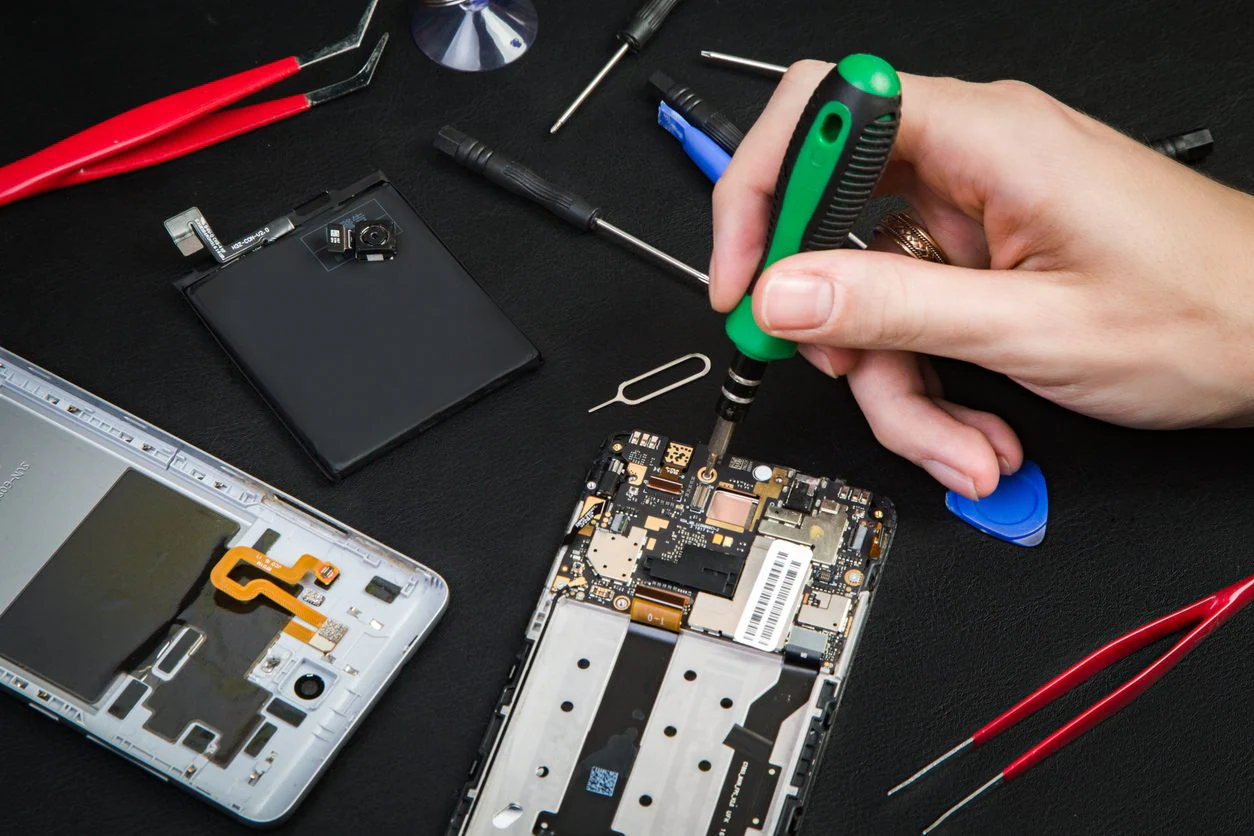
Repair damaged components
Before thinking about a new purchase, it is worth considering repairing a component that no longer works. Replacing the battery, repairing a broken screen or fixing a chipped camera glass costs significantly less than buying a new device, and returns the phone to performance close to the original one.