The WHO currently assesses the risk to the world population of the spread of the Hantavirus virus from the MV Hondius ship event as “low”. In general it is a virus with low diffusion in humans and in Italy few sporadic cases have been reported over the years. The network of experts for the development of spread and impact scenarios on public health also assessed a “very low” risk.
Again according to the experts of the Dispatch network (Epidemic intelligence, Pandemic scenarios, risk assessment), however, the risk of transmission between humans is not completely negligible, especially when the management of the cases of people on the ship will be carried out by the different countries of origin. For this reason, the Ministry of Health, in its update and coordination note, requires maintaining an approach of maximum caution and strengthening health surveillance activities, with particular attention to the early identification of any suspected cases and the timely adoption of the containment measures envisaged for confirmed cases.
The types of “cases”
The Ministry of Health has published a note regarding the Andes-type Hantavirus outbreak, including an update on the situation and indications for public health. Four people who have had contact with the virus have passed through Italy and since 8 May 2026 the ministry has implemented coordination practices for the control and monitoring of cases.
The types of cases and contacts and how to act were highlighted in the note. The first step is to understand what type of “case” the healthcare worker is dealing with. He is reassured, once again, that we are not facing a new Covid.
Suspicious case
Suspected case is an individual who has shared or traveled in a vehicle on which a case or a probable case has been confirmed, or anyone who has come into contact with a passenger or crew member of the MV Hondius ship since April 5th.
A suspected case is also someone who presents at least one of the following symptoms:
- acute fever;
- muscle pain;
- asthenia;
- chills;
- heachache;
dizziness; - gastrointestinal symptoms;
- respiratory symptoms.
Probable case
Instead, a probable case means a person who presents signs and symptoms compatible with a suspected case and a known epidemiological link with a probable or already confirmed case.
Confirmed case
A person who becomes a confirmed or probable case with laboratory confirmation by a PCR or serological test.
There is also the possibility of a “non-case”, i.e. a suspected case that tests negative. These develop symptoms compatible with the type of virus, but the test gives a negative result. They are still considered suspect and must repeat the test at the end of the maximum incubation period from the last potential exposure to a probable or confirmed case.
The types of contact
The document, referring to the ECDC and WHO definitions, also describes the types of contact. “Contact” means a person who has been exposed to a confirmed or probable case of Hantavirus during the period of contagiousness. Exposure must be compatible with the type of spread of the virus, therefore exposure to respiratory secretions, saliva, blood or other body fluids.
The document lists them:
- direct physical contact, including exposure to saliva or other body fluids (personal care, intimate contact, bed-sharing);
- close exposure, proximity defined as staying within 2 m for more than 15 cumulative minutes (face-to-face interaction, shared meals or other social encounters);
- exposure in closed or shared spaces;
- unprotected exposure in healthcare settings, particularly during patient care as well
- laboratory exposure.
The classification of contacts, however, is not identical for each type: there are high-risk contacts as in the case of people on board the cruise ship or people who have had one or more exposures to a probable or confirmed case present on the ship. For example, people who shared the same room, people handling clothing from a confirmed case, healthcare workers during medical procedures, people sharing direct physical contact or the bathroom.
Measures in case of contact
In the case of high-risk contact, the recommended measure is self-quarantine for six weeks. We recommend using your own room, maintaining a distance of at least 2 meters from family members and not using the same dishes.
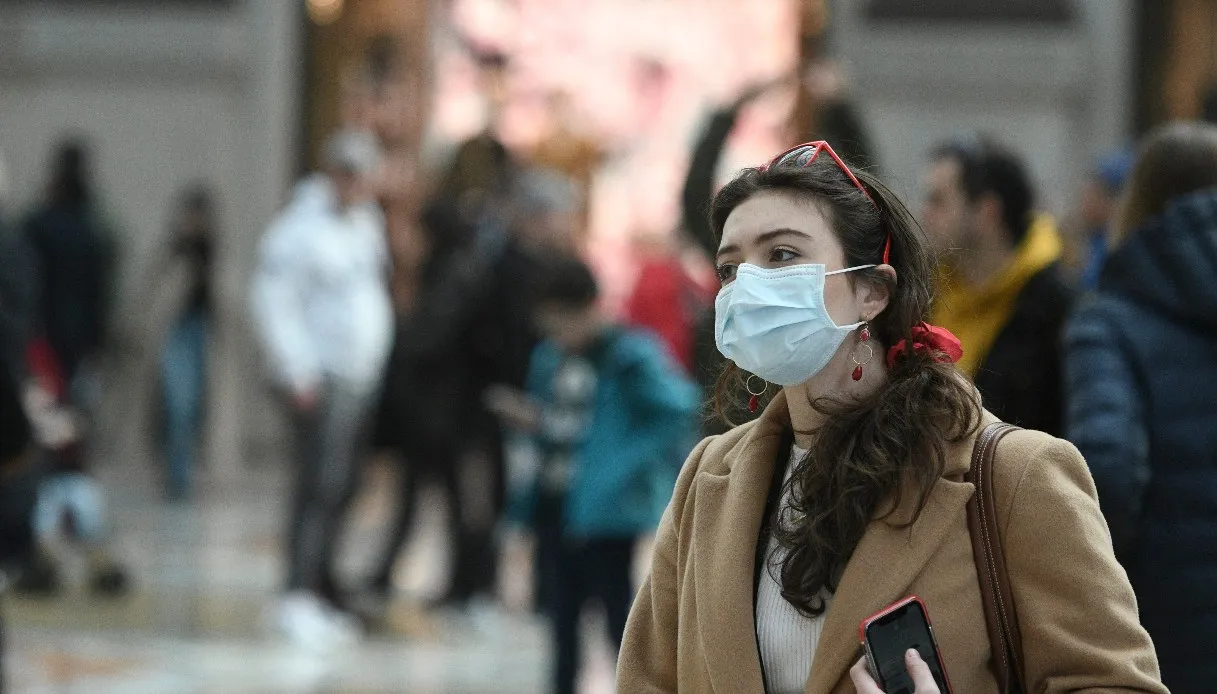
The document also states that it is possible to go out to preserve your mental health and psycho-physical well-being, but by wearing a liquid-resistant medical-surgical mask and avoiding crowds.
In practice it means:
- do not use public transport;
- monitor symptoms daily;
- if symptoms appear, maintain isolation.
However, there are several low-risk contacts: for these the recommended measures are self-monitoring of symptoms and communication with the health authorities.