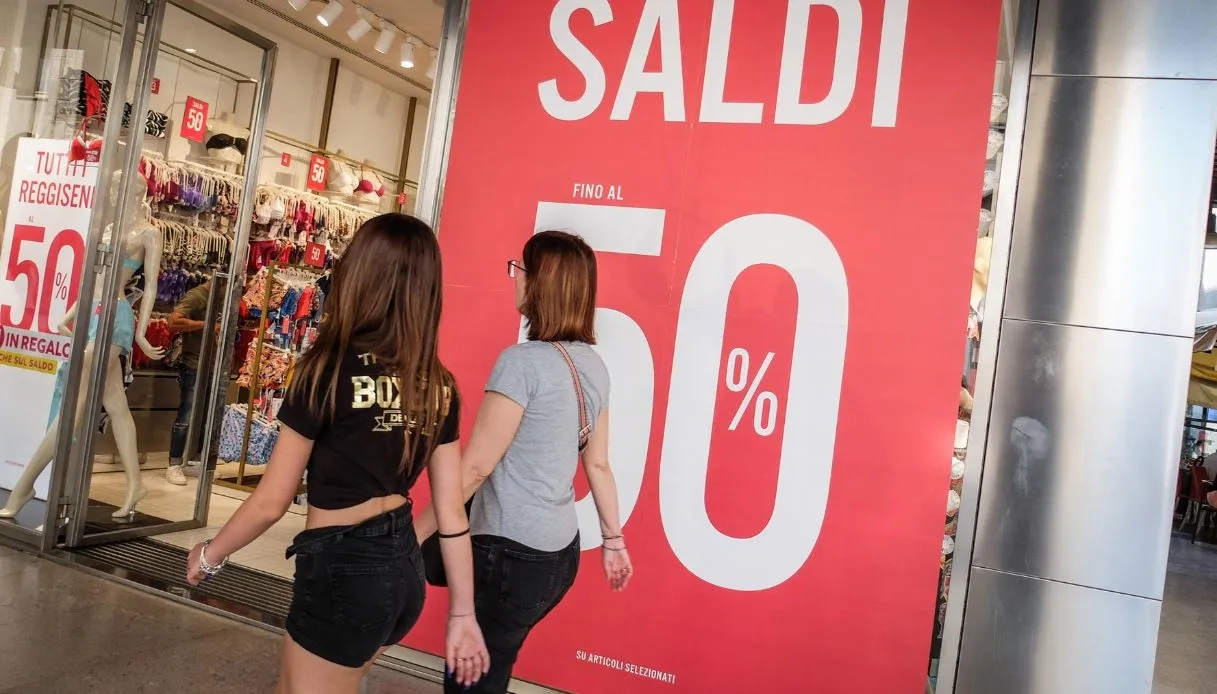
In as many as ten Italian regions, consumption is still lower than the levels recorded in 2007, before the great financial crisis. This is what emerges from the calculations of the Confcommercio Research Office, which confirm uneven growth in household spending, with the North continuing to lead and the South still struggling to recover from almost twenty years of economic crises, pandemics and demographic slowdown.
Italian economy growing in 2026, what the forecasts say
According to Confcommercio estimates, in 2026 Italian GDP should grow by 0.9%, after the +0.5% recorded in 2025. The expected result is also positive for family consumption, estimated to increase by 1.2%, compared to +1% the previous year.
Confcommercio’s forecast appears more optimistic when compared to that of other international bodies. The OECD, for example, in its Economic Outlook published in June 2026 estimated Italian growth of 0.5%, while Istat stopped at 0.7%. The difference derives from the different weight attributed to consumption. As explained by the traders’ association, in fact, the overall favorable picture is supported above all by internal demand, which continues to represent the main driver of national economic growth.
The regions where you spend the least
Taking 2007 as a reference point – the year before the great economic crisis of 2008 – the analysis shows that as many as ten Italian regions have not yet managed to recover the consumption levels of almost twenty years ago.
The most marked gap is recorded in Sicily, where consumption is still 13.2% lower than pre-crisis levels, followed by:
- Calabria (-11.1%);
- Campania (-10.2%);
- Puglia (-9.7%);
- Sardinia (-6.2%;
- Umbria (-5.8%);
- Abruzzo (-4.7%);
- Marche (-4.3%).
The situations closest to break-even, but still in negative territory, finally concern Basilicata and Liguria, 2.9% and 1.9% respectively away from full recovery.
It must be said that, overall, Italy managed to exceed 2007 levels, but by just 1.3% in 2026. This result, however, is supported at a national level almost exclusively by the push and good performances of the Northern regions.
The regions where consumption is growing
The region that drives the Italian economy continues to be Lombardy, where – according to estimates – GDP growth (equal to 1.2%) and an increase in consumption (1.8%) were simultaneously recorded in 2026.
Behind him are:
- Trentino-Alto Adige (+1% of GDP and +1.5% of consumption);
- Lazio (+1% of GDP and +1.4% of consumption).
Even observing the comparison with 2007, Lombardy leads the country with a consumption index of 112.5, followed by Valle d’Aosta (108.8), Trentino-Alto Adige (107.8) and Emilia-Romagna (107.1).
Where consumption grows more than GDP
Analyzing Confcommercio data, in 17 out of 20 regions consumption increases faster than GDP. In these territories, that is, the local market expands more rapidly than the wealth produced in the area, creating generally favorable conditions for trade and services.
The largest gap is recorded precisely in Lombardy, where consumption grows by six tenths of a point more than the gross domestic product.
They follow:
- Liguria (+ 0.5%);
- Trentino-Alto Adige (+ 0.5%);
- Veneto (+ 0.4%);
- Lazio (+0.4%).
Only three regions are exceptions:
- Basilicata (-0.2%);
- Calabria (-0.1%);
- Puglia (difference equal to zero).
Which sectors are driving the recovery
Spending growth does not affect all sectors in the same way. As certified by the consumption indicator, updated to May 2026, the main drivers of the recovery are durable goods and leisure.
In particular, they grow:
- mobility goods (+6.5%);
- purchases of cars by private individuals (+15.7%);
- household appliances (+7.9%);
- recreational services (+12.5%).
The trend in daily spending, however, appears much weaker:
- in fact, food, drinks and tobacco recorded a slight decline (-0.1%);
- public establishments, such as bars and restaurants, stop at a modest +0.2%.
The divide between North and South
The aspect that emerges most forcefully, however, concerns the persistent territorial divide. In 2026:
- the North reached a consumption index of 107;
- the Center reached 103.4;
- the South stopped at 90.2.
The annual growth confirms this difference by recording:
- +1.4% in the North;
- +0.8% in the South.
According to Confcommercio, this delay depends above all on the lower average incomes combined with the demographic crisis, in particular the loss of the population belonging to the working age groups (which are in fact those that contribute most to production and consumption).