Today, the majority meets at the top to discuss some points of doubt on the Budget Law, arriving by the end of 2026.
Due to the rather narrow margins, there is an absolute need for the differences between the Mef and the leaders of Lega, Forza Italia, Fratelli d’Italia and Noi Moderati to be resolved.
How much can the Government spend
The Meloni Government’s spending margin is not very large. Of the 23.5 billion euros expected, only 10 come from the state budget, while the remainder are linked to deficit measures or the approval of the national escape clause.
Here is how the main resources will be distributed:
- 5 billion for family policies;
- 4.6 billion for Defense;
- 2.4 billion for healthcare.
The reason for greatest tension in the majority is given by the possibility of taxing, on an extraordinary basis, the extra profits of credit institutions. According to Matteo Salvini, leader of the League, the Government should establish a figure of at least 5 billion euros, defining it as “absolute common sense intervention”.
According to Deputy Prime Minister Antonio Tajani, however, it would be wiser to request a voluntary contribution, to prevent an excessively high withdrawal from having the unwanted and collateral effect of an increase in expenses for account holders.
The high price of energy and the negotiation with Brussels
The voice of Brussels also weighs on the decision to budget for energy bonuses to deal with high bills. In fact, Italy asked the Commission and the Union for greater flexibility regarding the price of gas, given the arrival of winter, and emerged with the real possibility of cutting costs for businesses and families by 25%.
However, using fiscal flexibility margins primarily to control energy prices requires careful assessment of long-term impacts. The path towards energy independence in fact involves structural investments which, due to the way Italian taxation is structured, affect general system costs, increasing the risks of future increases in electricity bills.
The Mef line
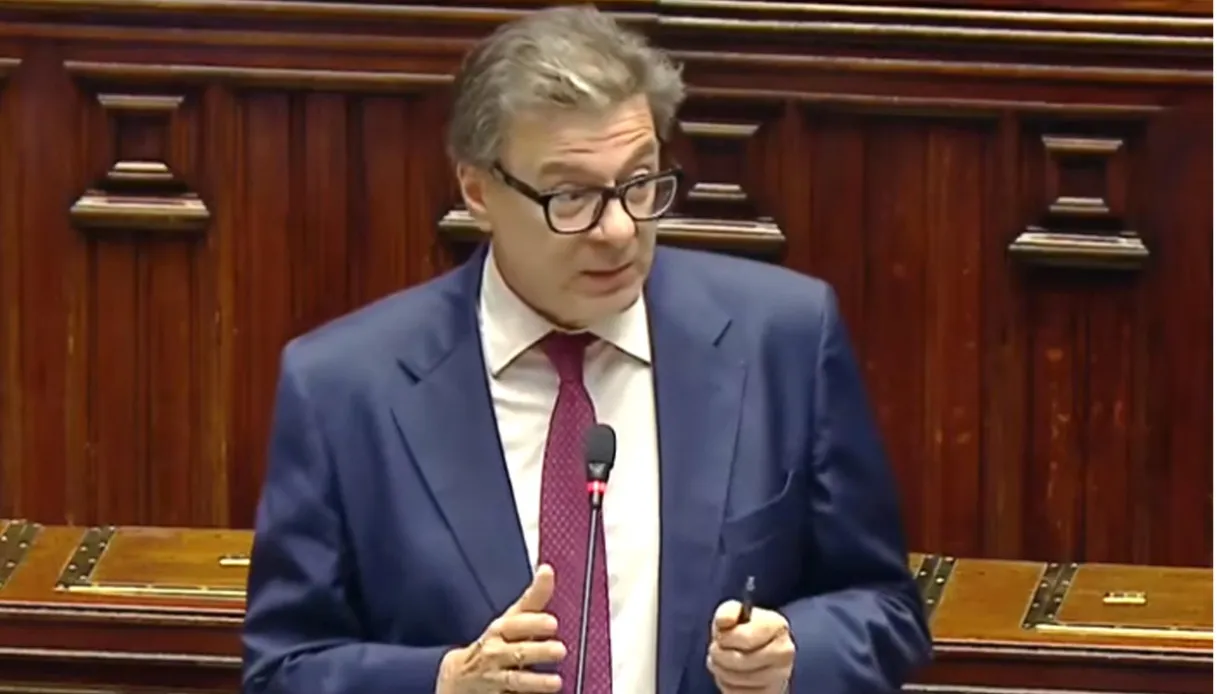
To meet the requests of the majority parties, a broader maneuver would be necessary. Tax relief for young people and the middle class, imagining a flat tax of up to 100,000 euros and guaranteeing exit from the world of work at 64 are complex expenses to bear with the current budget margins, which Minister Giorgetti comments as follows:
You can decide to carry out interventions regarding the wages of young people, rather than interventions focused on the elderly, rather than generalized interventions on Irpef. Given an available amount of resources, they are also alternative interventions.
In short, the Minister’s line seems to be programmatically aimed at consolidating the “renewed credibility of public finance, sustainability and debt” Italians.