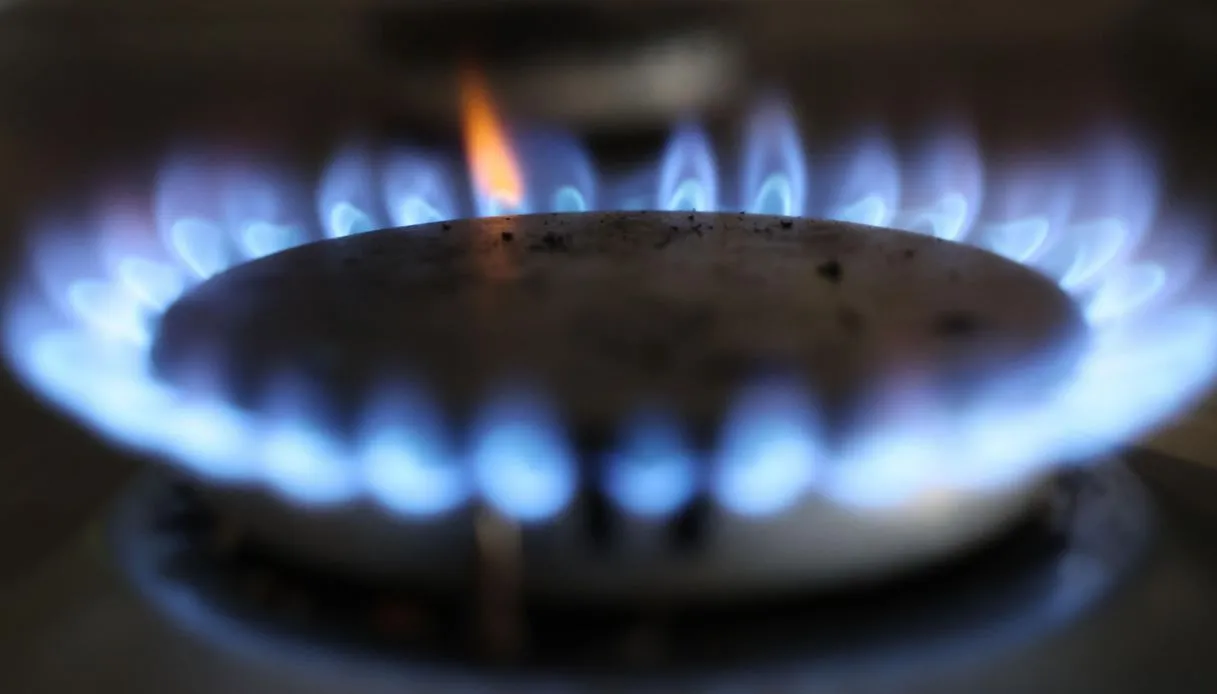
The level of gas reserves in Europe reignites tensions between Italy and Germany and opens a new front on the issue of energy security. At the center of the dispute is the strategy adopted by Berlin to fill the underground deposits in view of the winter: a policy deemed too prudent by the Italian government, which fears repercussions on wholesale prices and, consequently, on the bills of families and businesses. At the end of October, gas reached close to 100 euros per megawatt hour, returning to levels not seen since December 2022. But why does Germany’s behavior worry Italy and what consequences can this situation have for consumers?
Because Italy and Germany are at loggerheads over gas
The divergence between Rome and Berlin mainly concerns the times and methods with which gas reserves were accumulated to face the cold season. Italy brought purchases forward, bringing its stocks to relatively high levels before the start of winter. Germany, however, proceeded with greater caution, arriving in November with decidedly less full deposits. The numbers help to understand the reasons for the controversy. At the end of October, the average full level of European storage was 67.20%, a value lower than the average recorded in the last five years. But the differences between individual countries were particularly marked. Italy had reached a filling level of 89.35%, while Germany stopped at 54.45%.
The issue became public on October 29, during the Montel Italian Energy Day in Milan. On that occasion Alessandro Noce, general director of Energy Markets and Infrastructures of the Ministry of the Environment and Energy Security, criticized the German choice to postpone the filling of the reserves.
According to what was reported by the ministry representative, Italy would have incurred an expense of around 300 million euros to ensure adequate availability of gas before the arrival of the colder months. A strategy which, from an Italian perspective, would have contributed to reducing the country’s exposure to market fluctuations during the winter.
The German reply was not long in coming. On October 30, Berlin’s Ministry of Economy and Energy rejected the accusations, calling them baseless. The German government denied that the purchases made by the SEFE (Securing Energy for Europe) company caused an increase in European prices, also claiming that, when possible, priority was given to supplies from countries outside the European Union to contain pressure on the community market.
Berlin also ensured that security of supply is guaranteed, thanks to the possibility of using imported gas through gas pipelines, supplies of LNG, i.e. liquefied natural gas, and the infrastructure network that connects the various European markets.
The Italian strategy was instead oriented towards anticipating purchases, also incurring a cost to ensure greater availability of fuel before the increase in seasonal demand.
What consequences can there be on electricity and gas bills?
Tensions on German storage may have direct consequences for Italian consumers. A possible increase in wholesale gas prices, in fact, is reflected in the costs incurred by energy suppliers and can reach up to household bills. The first to be affected by any price increases would be customers who have signed variable price contracts. In these cases, the cost of the raw material is updated periodically based on market indices and, consequently, an increase in the TTF can translate into a greater expense for the gas consumed.
The effect could also affect electricity bills. In Italy, in fact, a significant share of electricity production comes from thermoelectric power plants powered by natural gas. The price of gas therefore represents an important component in the formation of the price of electricity on the wholesale market. This connection means that tensions on the gas market can also have repercussions on the cost of electricity, especially in periods in which gas systems contribute to determining the marginal price of electricity.
The situation is different for those who have chosen a fixed price offer. These consumers are generally protected from fluctuations in wholesale prices for the duration of the economic conditions subscribed to. The advantage disappears, however, when the contract expires and must be renewed, because the new conditions could incorporate the price increases recorded in the meantime.