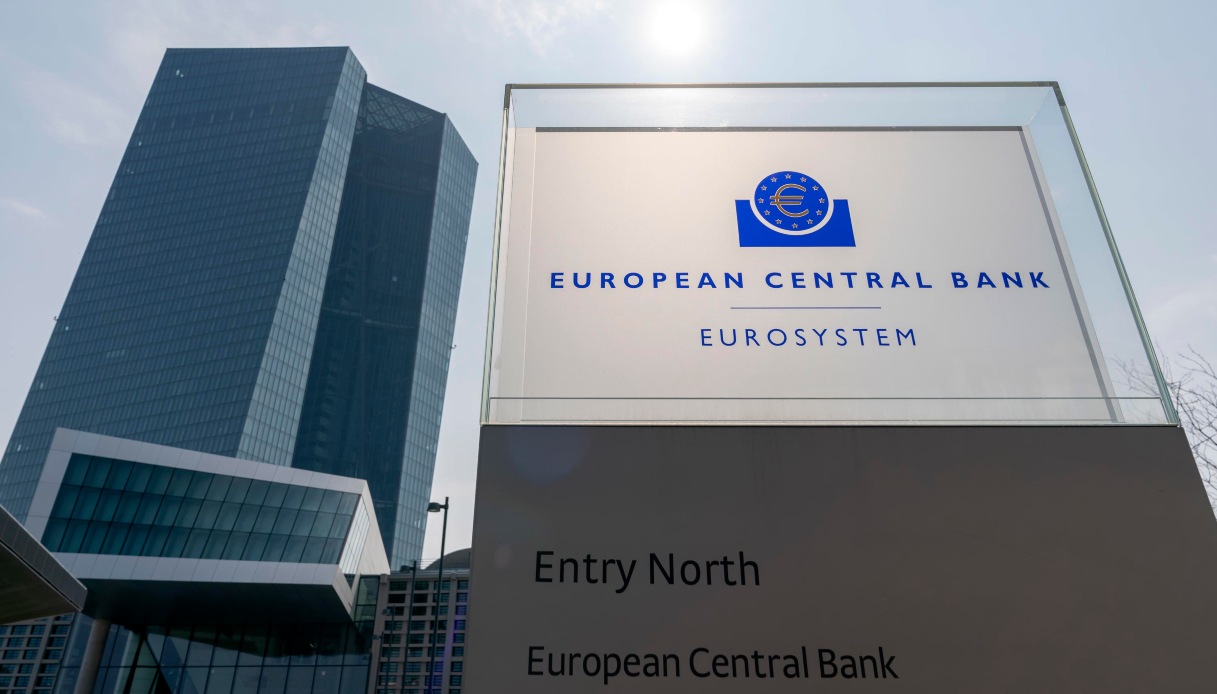
Another step forward of the European Central Bank (ECB) towards the creation of the digital euro. In fact, companies that will develop the technological infrastructure of the future digital euro have been selected. Among these also the Italians Almaviva and Fabrick, who have won the main contract for the development of the official app and the kit for developers. The contract has a potential value of 153 million euros. Among the companies there is also Nexi, in partnership with Giesecke+devrient for offline transactions.
The other selected companies
In addition to Almaviva and Fabrick, the other lots have been assigned to:
- Sapient Trendend (Germany/Romania) for data tracking;
- Fedzai (Portugal) for the management of risks and fraud;
- Giesecke+Devrient (Germany), in collaboration with the Italian Nexi, for offline mode;
- Senacor (Germany) for the security system.
The announcement was reserved for European companies. “We are proud to contribute to the development of such an important part of the infrastructure for the digital euro,” said Renato Martini, Digital Banking Solutions Director of Nexi.
How will the digital euro be like
The digital euro will not be a speculative cryptocurrency, but the electronic equivalent of the cash, emitted directly by the ECB. The goal is to offer citizens a universal, safe and instantaneous payment method for the entire euro area.
For the institute led by Christine Lagarde, this project also has a strong strategic value: to reduce Europe dependence on the American payments giants, such as Visa and Mastercard, strengthening the financial autonomy of the continent.
How the app will work
The app will be accessible via smartphone, tablet or smartwatch and will be the same for each EU country. Not only that, but the application can be used for payments between private individuals, online and in physical stores. It will be possible to use it for:
- payments in physical stores;
- online purchases;
- Transactions between private individuals (P2P).
The goal is to guarantee a simple, safe and accessible system for everyone, directly from the European Central Bank. In addition to the user interface, the task of Italian companies is even more crucial: to build the “open” infrastructure that will make the entire system work. Thanks to development kit (SDK) and dedicated bees, all European payment service provider (PSP) will be able to fluidly integrate their services on the digital euro platform. This will guarantee interoperability, allowing banks and financial institutions to easily connect to the new payment system.
Almaviva and Fabrick, in a note, say:
The digital euro represents a further step towards European cohesion, strengthening the strategic autonomy and monetary sovereignty of the euro area, improving the efficiency of the entire payments ecosystem, promoting innovation and increasing resilience against cybernetic attacks or any technical interruptions.
The times and value of the contract
The preparatory phase of the project, launched in November 2023, will end on October 31st, leaving the place to the real realization phase. The final details will be defined only after the approval of the regulation by the European Parliament, expected for half 2026. Considering the legislative and technical times, the debut of the digital euro is foreseen between the end of 2028 and the beginning of 2029.
The contract, assigned through a call reserved for European companies, has an initial duration of 4 years, with possible extensions up to a maximum of 10. The first 2 years will be focused on the development of the euro digital and gradual release of the various cases of use, while the following two years will be useful for completing the development and stable exercise phase.
Any extensions will serve to refine functionality, manage users’ growth and ensure support and maintenance. The maximum value of the framework contract is around 153 million euros.









