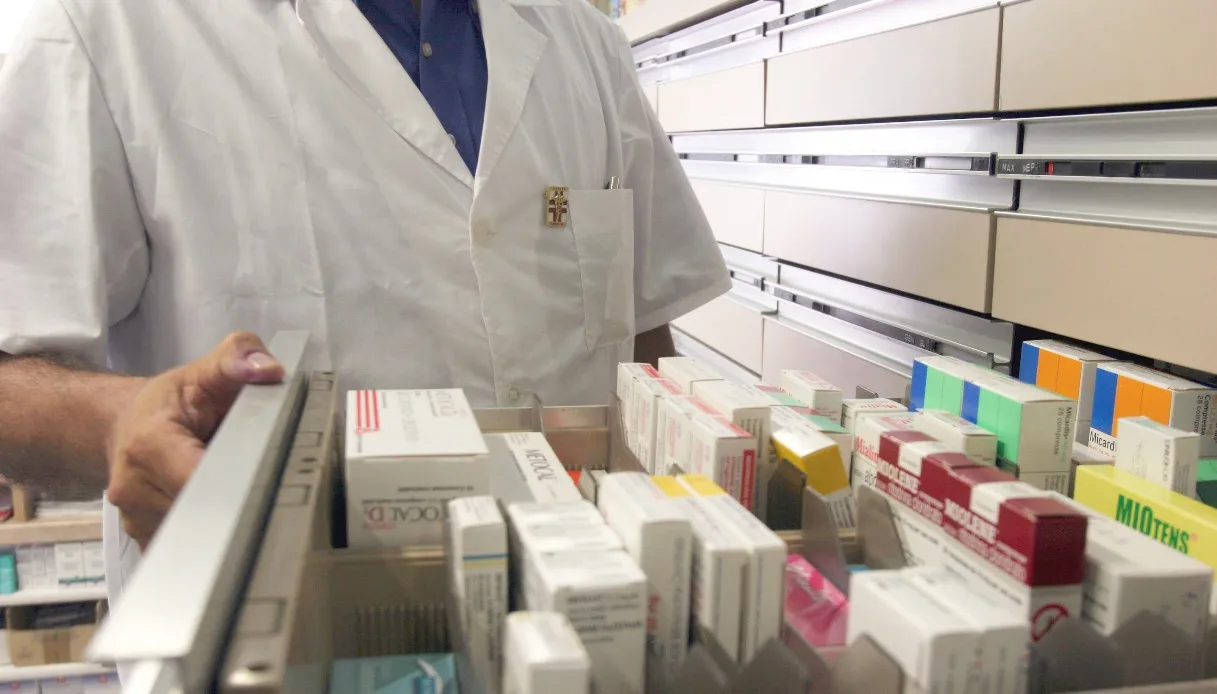
The blockade of the Strait of Hormuz also puts global health at risk and does so by threatening the pharmaceutical supply chain and the supply of helium. In particular, drugs such as paracetamol and antibiotics, but even oncological drugs, are at risk, because the precursors are petrochemicals and therefore pass through the narrow passage.
Although, according to estimates, the risk of running out of supplies could be around two months (EU legislation requires stocks of 2 to 6 months), pharmaceutical companies react to threats by finding alternative routes to the strait. There are new routes possible, such as increased air freight to China or ground transportation, but rerouting costs could burden consumers. Finally there is the helium issue. Much of the helium in circulation, including for medical use, comes from Qatari plants, subjected not only to Iranian bombing, but which are unable to export due to the blockade of the strait. The helium shortage has effects on global health, in particular it could delay the availability of MRIs.
What passes through the Strait of Hormuz
By now we know what passes through the Strait of Hormuz: we see it at the petrol pump, on the cost of bills and even on supermarket shelves.
The canal, not surprisingly, is considered one of the world’s key energy hubs because it handles between a quarter and a third of global oil shipments and about a fifth of liquefied natural gas. Its closure caused shocks in global markets, increasing gas prices by 70% and oil prices by 50%, with an increase of around 13 billion euros on the import of fossil fuels, according to European data.
Oil and gas, therefore, but not only. There is talk of blocking the supply of fertilizers and raw materials such as helium.
The crisis in the pharmaceutical sector
The impact on global pharmaceutical supplies may be less known. The Gulf Cooperation Council region is a crucial hub for the transit of pharmaceutical products, connecting Africa, Asia, Europe and the United States.
The Gulf Cooperation Council sees its pharmaceutical sector continuing to grow, which Think Global Health estimates to be worth $23.7 billion.
There are two routes that medicines travel: sea routes and airport routes. Both have been blocked or significantly slowed down since the outbreak of the conflict. An example is Dubai Cargo Airport, the 11th largest in the world and also the most important hub for the re-export of pharmaceutical products. Around 4 million tonnes of goods arrive here, are stored and then shipped all over the world every year.
What drugs are most at risk?
Again according to Think Global Health, generic drugs are relatively safe because they have a high number of safety stocks. The most fragile supply chains are “cold chains” and emergency shipments.
These include:
- vaccines;
- insulin;
- biological drugs;
- oncological therapies.
The helium crisis
Even less known is the region’s critical role in global helium supply. What does helium have to do with healthcare? Helium is an essential element for cooling MRI equipment, and Qatar is the world’s second largest producer of helium.
Last March 18, the industrial city of Ras Laffan was attacked and production was first interrupted and then slowed down. This does not mean that helium cannot be found, but that reserves will be reduced.
There are 50,000 MRI machines worldwide, with 5,000 new devices produced each year and over 95 million MRIs performed annually. The helium crisis could increase prices, prevent machinery from being refilled with helium and therefore slow down diagnosis and treatment.
And Italy?
Quotidiano Sanità spoke to Nicoletta Gandolfo, president of the Italian Society of Medical and Interventional Radiology, about the situation in Italy. This stated:
The situation is certainly serious, but it must be read with balance: without alarmism, but also without underestimations.
The Italian situation is under control, but the margins are “limited”. The Italian healthcare system, continues Gandolfo, has some characteristics that make it more resilient than other industrial sectors. Explains:
We do not operate according to a just-in-time logic: along the entire supply chain, from suppliers to hospital facilities, there are operational stocks that guarantee a certain continuity.
Therefore, in the short term, says the president of Sirm, no significant blockages or slowdowns are expected. But what can happen in the event of breakdowns or extraordinary maintenance? The real problem, therefore, is the indirect impact, with the risk of delays in the production and delivery of advanced technologies or spare parts.