Italy, Germany, Spain, Portugal and Austria launch an appeal to the European Commission to introduce a common tax measure on the extraordinary profits of energy companies. The request arises from the surge in oil prices, triggered by the conflict in the Middle East, which is increasingly weighing on family budgets and the continent’s economy.
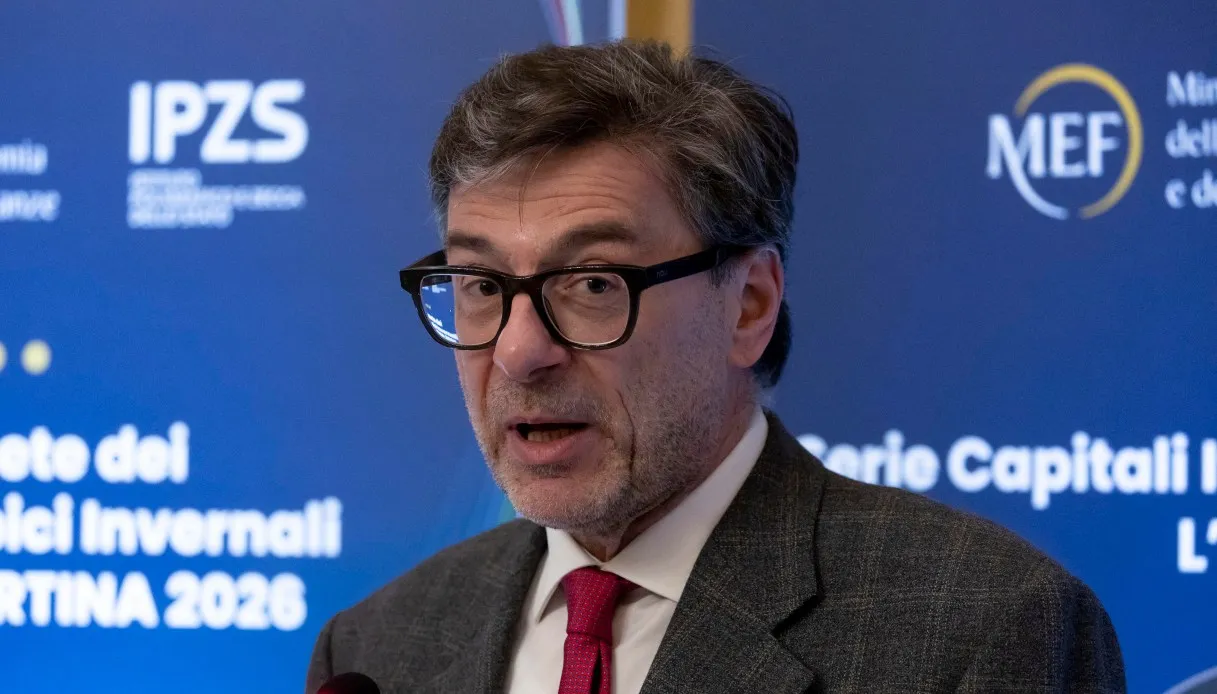
Five Finance Ministers signed the letter addressed to the European Commissioner for Climate, Wopke Hoekstra: Giancarlo Giorgetti for Italy, Lars Klingbeil for Germany, Carlos Cuerpo for Spain, Joaquim Miranda Sarmento for Portugal and Markus Marterbauer for Austria.
The basis of the proposal is the idea that when oil prices rise due to geopolitical events such as war, energy companies experience extraordinary profits not linked to investments or production efficiency, but to external factors. In these cases, the five ministers argue, it is right that part of these profits is redistributed to lighten the burden of the crisis on citizens and businesses.
The conflict in the Middle East has caused oil prices to rise, placing a significant burden on the European economy and European citizens. It is important to ensure that this burden is distributed equitably.
It is not the first time that Europe has addressed the issue. In 2022, after the Russian invasion of Ukraine and the resulting energy shock, the European Commission introduced an extraordinary contribution on the sector’s extra profits. That measure, however, had application limits that the five ministers now intend to overcome.
In the letter they ask Brussels to evaluate “whether and how to include in a more targeted way the foreign profits of multinational oil companies”, compared to the instrument adopted in 2022.
The requests of the States
One of the most relevant aspects concerns the legal solidity of the measure. The ministers are not just asking for emergency intervention, but for an instrument based on a solid legal basis, capable of withstanding any challenges from the companies involved.
The invitation to Brussels is also to move quickly. The text underlines the urgency perceived by the signatory governments: energy inflation risks eroding purchasing power just as the European economy tries to stabilize.
The word in Brussels
The European Commission will now have to evaluate the feasibility of the proposal, from a technical and political point of view. Not all Member States, however, share the enthusiasm for this type of intervention: some Northern and Eastern European countries remain more cautious, considering these measures potentially distorting the market.
The political weight of the five signatories, however, makes it difficult to ignore the request. In the coming weeks it will be understood whether the Commission will open a working table on the topic or prefer to postpone the discussion. In the latter case, individual countries could move independently, putting a coordinated European response at risk.