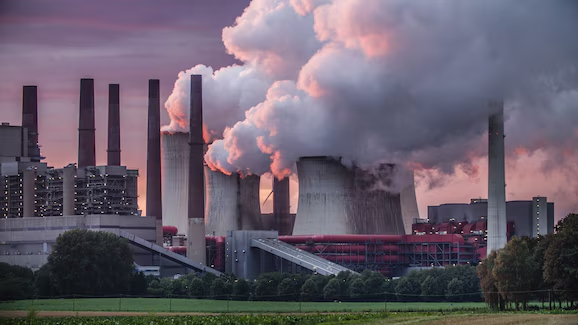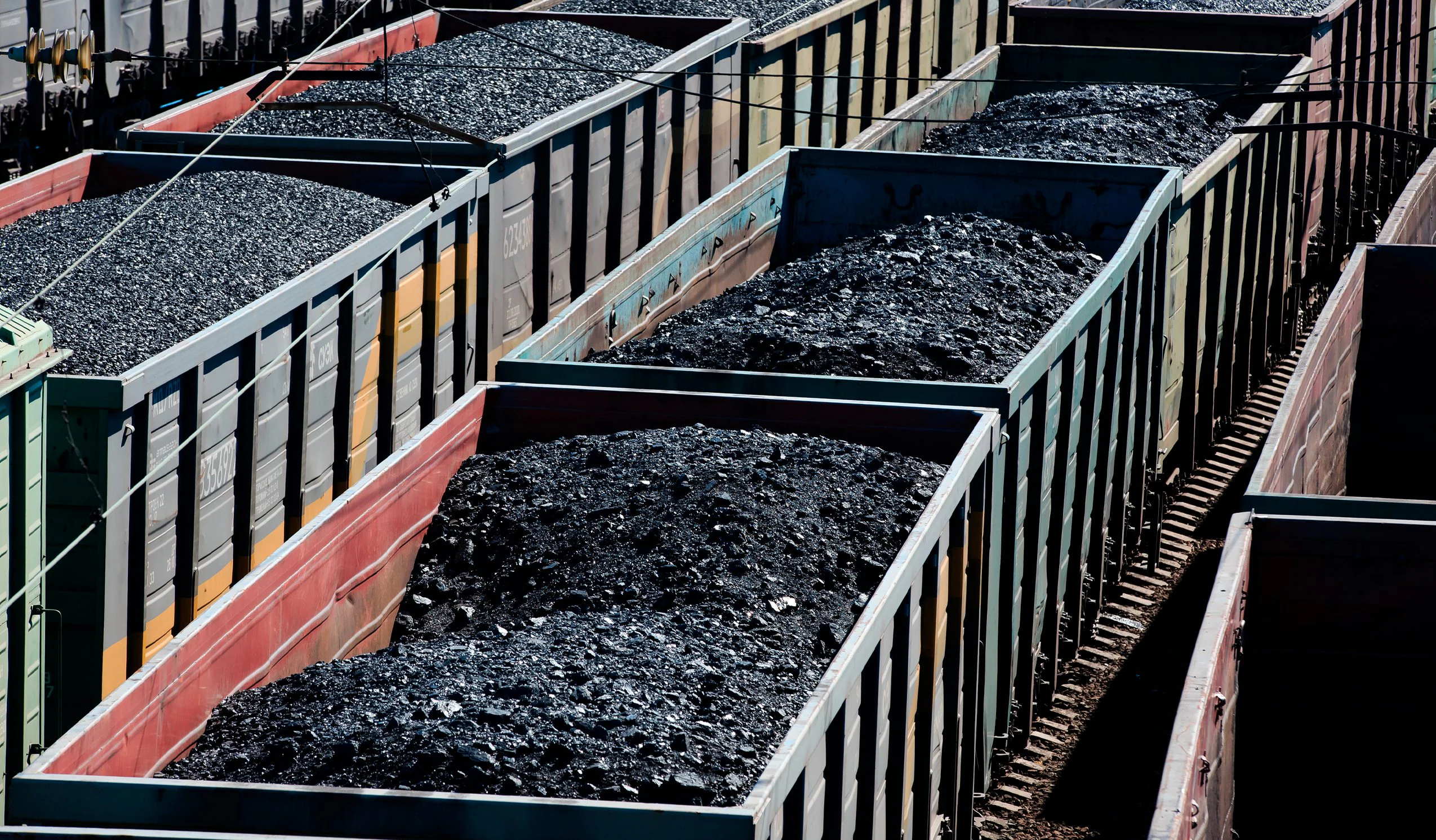
The recent amendment to the Bill Decree (DL 21/2026) approved by the Productive Activities commission of the Chamber of Deputies postpones the definitive decommissioning of coal-fired thermoelectric power plants in Italy to 31 December 2038. Before the plants can resume regular operations, the environmental authorizations will need to be renewed and their purpose defined: whether to “cold reserve regime” (limited activation in emergency conditions) or continuous operation. This legislation was introduced in response to the energy crisis and high market uncertainty induced by the ongoing Middle Eastern conflict. However, industry observers raise questions about the actual effectiveness of the measure and its impact on the national electricity system.
The 4 coal plants that will remain active
At the end of 2025, Italy has four coal-fired plants for the production of electricity, with a total installed power of approximately 4.7 GW. Two are located in Sardinia, Sulcis/Portovesme (Enel property) and Fiume Santo/Porto Torres (EP Produzione property), while the remaining two are located on the Continent, Brindisi Sud and Torrevaldaliga/Civitavecchia (both Enel assets). In 2020, the government led by Giuseppe Conte, through the PNIEC (National Integrated Plan for Energy and Climate), had planned the decommissioning of the coal power plants by 31 December 2025, providing for a specific exemption for the two plants located in Sardinia. This decision was based on assumptions such as the increase in electricity production from renewable sources, the development of energy storage systems and the availability of natural gas as a transition fossil fuel. As a result, coal-fired electricity generation in Italy has suffered a marked contraction in the last five years.
The Brindisi Sud and Torrevaldaliga plants recorded an overall production of 13.0 TWh (terawatt hours) and 6.6 TWh in the two-year period 2022-2023, in a context of maximization of coal generation determined by the significant increase in the price of natural gas, coinciding with the dawn of the Russian-Ukrainian conflict. The Brindisi plant has been shut down since 2024, while the Torrevaldaliga plant produced only 0.3 TWh in the same year and no electricity generation in 2025. The use of these plants was classified as economically non-competitive and the continuation of their operation generated losses of approximately 78 million euros in the period July 2024-2025, according to an estimate prepared by ECCO, an Italian think-thank specialized in energy transition and change climate.
In 2025, the only coal-fired thermoelectric units still in operation were those located in Sardinia, for which decommissioning had already been postponed to 2028, to guarantee continuity of electricity supply to the island. As part of a specific regulatory mechanism defined by ARERA (Regulatory Authority for Energy, Networks and the Environment), these plants have been qualified as “essential” and eligible for full cost reimbursement, pending the full entry into operation of the Tyrrhenian Link submarine power line, a strategic infrastructure for the Sardinian electricity system.
The reason behind the extension: the energy crisis
The critical issues related to the current energy crisis have led the government to postpone the closure of coal power plants, so as to preserve the availability of all sources for electricity generation in the event of an emergency. The conflict in the Middle Eastern area and the difficulties of navigation in the Strait of Hormuz are compromising the flows of crude oil from the Gulf countries to Western markets: in this context, Italy could encounter significant supply problems if the geopolitical instability were to continue. The decision to extend the operating horizon of coal comes in a scenario characterized by high volatility in natural gas prices. In the European electricity market, the price of electricity continues to be strongly influenced by the cost of marginal generation, which in many cases coincides with gas-fired generation. Therefore, the increase in the price of gas is reflected in an increase in the cost of electricity, with direct impacts on businesses and consumers. The extension to 2038 introduces greater flexibility in the management of coal plants, qualifying them as security assets and, similarly to other energy infrastructure, earmarking them for use in specific conditions.
How might the extension impact?
According to numerous industry analysts, the postponement to 2038 would not be consistent with the structure of the current national electricity system, in which the phase-out (disposal) of coal as an energy source now appears to be complete. In fact, the plants are at a standstill and outside of market mechanisms, with a variable cost differential that is systematically unfavorable compared to gas-fired combined cycle generation. According to estimates by MASE (Ministry of the Environment and Energy Safety), the use of coal would become economically competitive again in the presence of a gas price steadily higher than €70/MWh. In recent years, with the exception of the extreme levels recorded during the 2022 energy crisis when gas exceeded €300/MWh, market values have stood at around €55/MWh, despite remaining exposed to geopolitical variables that are difficult to predict.
Furthermore, the reactivation of coal power plants is not an immediate process, but requires technical interventions, functional checks and restoration times that vary depending on the state of conservation of the infrastructure. Overall, these factors, together with the persistent non-sustainability of coal-fired electricity generation, could reduce the effectiveness of the government measure in the short term, without prejudice to the fact that the aim of the intervention is not that of a contingent and immediate response, but rather of a provision oriented towards a more extended time horizon.