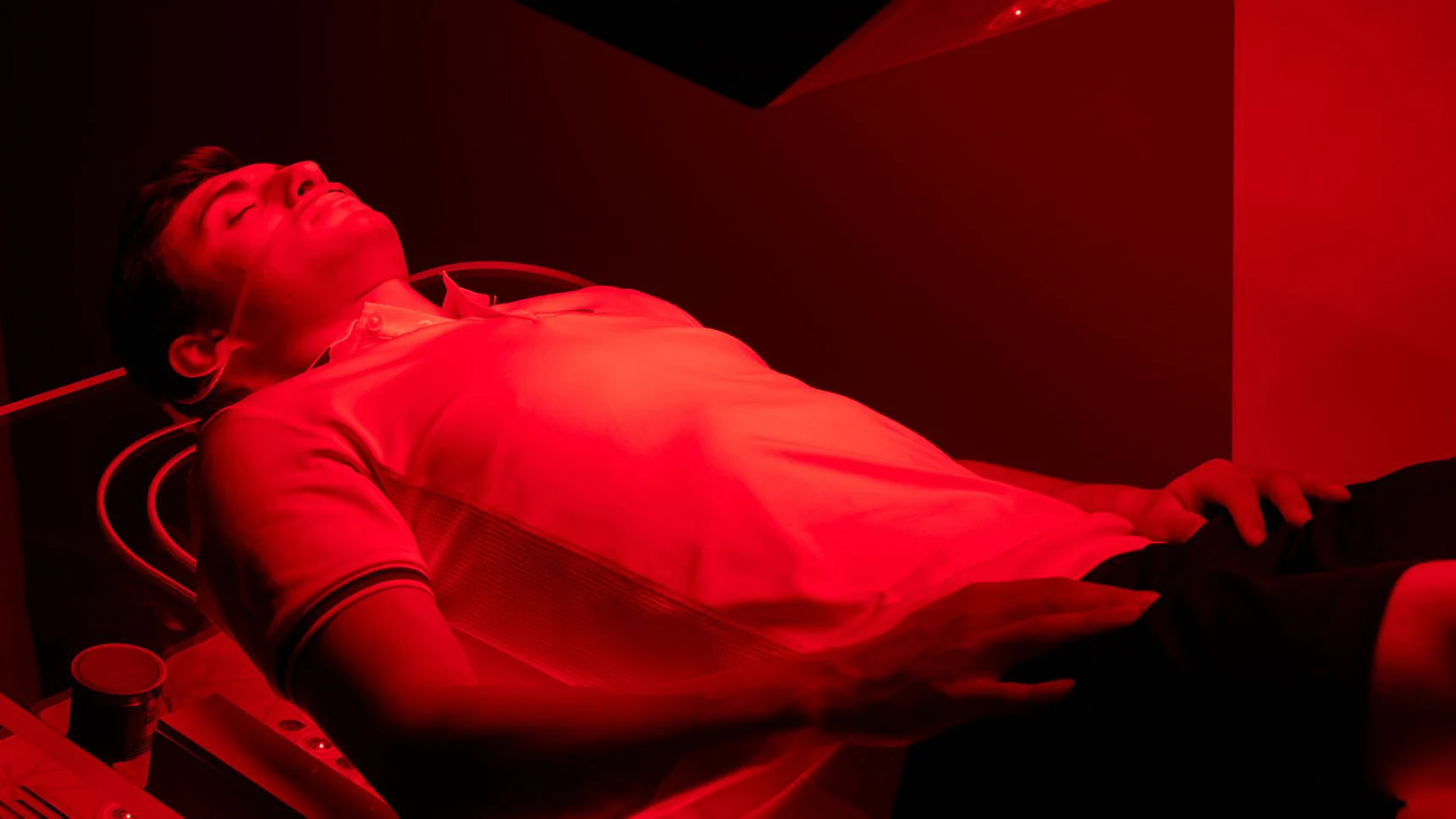
Among the many new features of the Wimbledon 2026 tournament there is one in particular that is making headlines: the new Ammortal Chamber, the “recovery room” for tennis players designed both for match preparation and to promote physical recovery between one match and the next. This is a device installed in the new Recovery Suite of the All England Club, the area dedicated to the recovery and physical preparation of players. Here tennis players have access to various technologies designed to reduce fatigue, manage physical load and speed up recovery times between matches.
The Ammortal Chamber is a sort of hi-tech bed worth around £128,000 and with a wavy shape where the athlete lies down while the system delivers a combination of physical and sensory stimuli. These include the inhalation of molecular hydrogen, multi-spectrum light and pulsed electromagnetic fields, which send low intensity pulses with the aim of acting on muscle stiffness and fatigue. Added to these is a component of sound and vibration therapy, designed to promote relaxation.
The goal is to induce a deep state of recovery without any active effort on the part of the athlete. The sessions last approximately 15 minutes before the matches and between 25 and 50 minutes after the matches, and it is not uncommon for the players to fall asleep during the treatment as stated by the American Tommy Paul: “It was nice, although I’m not sure what it does because I fell asleep. But I definitely felt very rested.”
What the Ammortal Chamber, Wimbledon’s new recovery room, is and how it works
The Ammortal Chamber looks like a hi-tech bioenergetic bed with a wavy shape, equipped with a transparent cap that lowers onto the player during the session. The device, worth 128,000 pounds (around 150,000 euros), combines several technologies used simultaneously. These include the inhalation of molecular hydrogen, studied for its possible role in reducing oxidative stress, photobiomodulation with red and near-infrared light, a non-visible light that penetrates deeper into tissues than the red light used to stimulate tissues and support recovery processes, and low-intensity pulsed electromagnetic fields, the subject of research for their potential effects on fatigue and muscle stiffness.
In addition to the components already mentioned, it also includes vibro-acoustic technology and guided audio signals for breathing, designed to accompany the athlete into a state of controlled relaxation. The different technologies are activated simultaneously while the player remains completely passive inside the device. According to the developers, the objective is to promote a deep state of recovery in a short time, without any active intervention by the athlete with sessions ranging from 15 minutes before matches to 25-50 minutes after matches.
READ ALSO: What is the new video review rule at Wimbledon 2026: tennis players will challenge the chair umpire
Inside the Wimbledon 2026 Recovery Suite: from ice tubs to sleeping masks
The Wimbledon 2026 Recovery Suite has been completely redesigned within the renovated Millennium Building, transforming the area reserved for players into a true center dedicated to recovery and physical preparation. In addition to the new Ammortal Chamber, athletes have access to a larger and more equipped gym, a medical area and a space dedicated to nutrition with drinks and snacks designed to aid recovery during the tournament.
Among the stations dedicated to muscle recovery there are reclining armchairs with footrests combined with pneumatic compression boots, devices that wrap around the legs and automatically inflate and deflate, exerting a rhythmic pressure that promotes circulation and helps reduce muscle fatigue after matches. The models used at Wimbledon are wireless and also integrate a cooling function to aid recovery from more intense efforts.
The suite also houses technologies dedicated to relaxation and sleep, such as sleep masks, neuroacoustic systems with headphones and devices that combine light, vibrations and tactile stimuli to guide players towards a state of relaxation. Finally, the traditional ice tubs for contrast therapy remain present, which alternates immersions in hot and cold water to promote muscle recovery and help reduce inflammation after exercise as well as eliminating lactic acid, together with the areas dedicated to strength, cardio and mobility training.