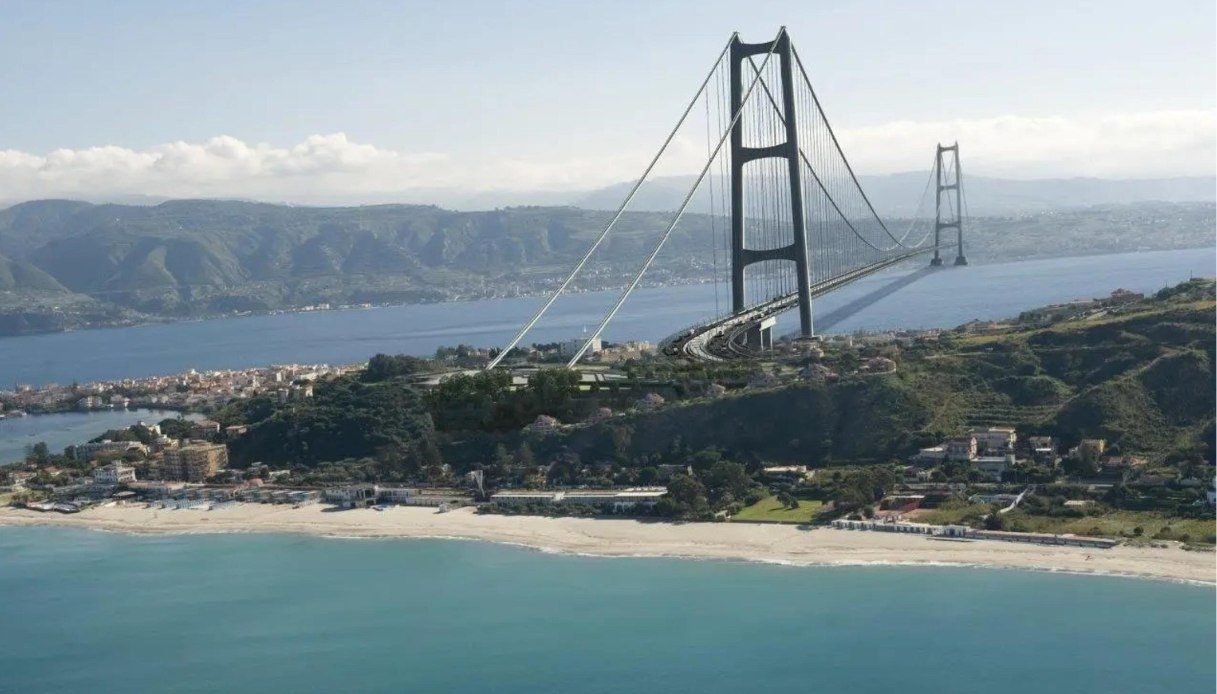
The duties will cost Italy as much as the bridge over the Strait of Messina. Mestre’s Cgia has calculated the impact that the 15% use rates will have on our economy, when they start on August 7th. According to the estimates of the Association’s Studies Office, waiting to know the list of assets excluded from the surcharges, the rate set by the agreement between the United States and the EU will weigh in the short term on the state coffers for about 14-15 million euros.
A figure comparable in principle to the expenses put in the state budget for the construction of the bridge over the Strait.
The analysis of the CGIA
In addition to the direct effects of the duties on the drop in exports from Italy to the American market, the experts of the association of artisans and small entrepreneurs expect heavy indirect repercussions, from the contraction of the profit margins of companies that sell to the United States, to the move of overseas production by other companies, up to the loss of numerous jobs and the cost of income support measures, such as layoffs.
According to the analysis of the CGIA, the preparation of Italian companies for the export in the USA is a established phenomenon, as evidenced by the flow of 64.7 billion recorded last year on exports to the United States, despite the drop of 3.6% compared to 2023.
The repercussions of the duties at 15% on the Italian economy are therefore inevitable, but the nature of the tricolor products could mitigate the consequences on exports.
The consequences of duties on Italian products
As certified by the Bank of Italy, 49% of imports from Italy consist of medium quality goods and 43% high level, for a total share of 92% of exports to the USA.
A category of products that are purchased by high income American customers, which could therefore be less conditioned by the increase in prices due by customs rates.
A circumstance that would attenuate the effects of the duties on Italian companies, which in any case, according to the experts of the Cgia, would be protected by another factor underlined by Bankitalia: a relatively low exposure to the American market compared to the turnover.
The analysts of Palazzo Koch have highlighted that companies that export to the US could keep a blow to the contraction of the profit margins without greatly raising the prices paid by the final consumer, as the sales addressed to the United States affect only 5.5% of the turnover of companies, for a gross operating margin of 10% of the total revenues.
Among the risk factors for the community and Italian economy brought by the commercial offensive unleashed by Donald Trump, a further devaluation of the dollars towards the euro remains under control, which would make exports even more difficult.
A theme recently raised also by the deputy premier and foreign minister Antonio Tajani, who asked the ECB to intervene:
I believe that the central bank must still reduce the cost of money. We are 2% but you can also get to zero as during Covid. You can buy government bonds from the ECB, with the quantitative Easing









