The price of oil began to grow again and on the morning of July 14th Brent reached almost 85 dollars a barrel, the highest price in the last month. It is the effect of the war between Iran and the USA, which has officially started again according to what US President Donald Trump said to Congress. During the night, Tehran hit two oil tankers that were crossing the Strait of Hormuz.
Developments that come the day after the Minister of Business and Made in Italy Adolfo Urso declared in an interview that the Government will no longer implement general excise duty cuts like those seen in recent months.
Because oil has risen to $85 a barrel
On the night between 13 and 14 July the situation between Iran and the USA worsened again. Tehran hit two oil tankers that were trying to cross the Strait of Hormuz, a stretch of sea that the regime blocked after US President Donald Trump declared the ceasefire between the two countries over. A sailor was killed and the United Arab Emirates, the country where the two ships are registered, has promised revenge, suggesting a possible expansion of the conflict.
Trump himself had already officially communicated to Congress, the US parliament, on July 10th that the war in Iran had started again. One letter, viewed by Politico, speaks of “military action consistent with my responsibility to protect Americans and U.S. interests, both at home and abroad.”
The result of these attacks was an increase in the price of oil. Brent, the North Sea crude used in Europe, exceeded 85 dollars a barrel overnight, before falling slightly below this figure. On the other hand, WTI, American oil, has exceeded 80 dollars a barrel.
The Government will no longer cut excise duties
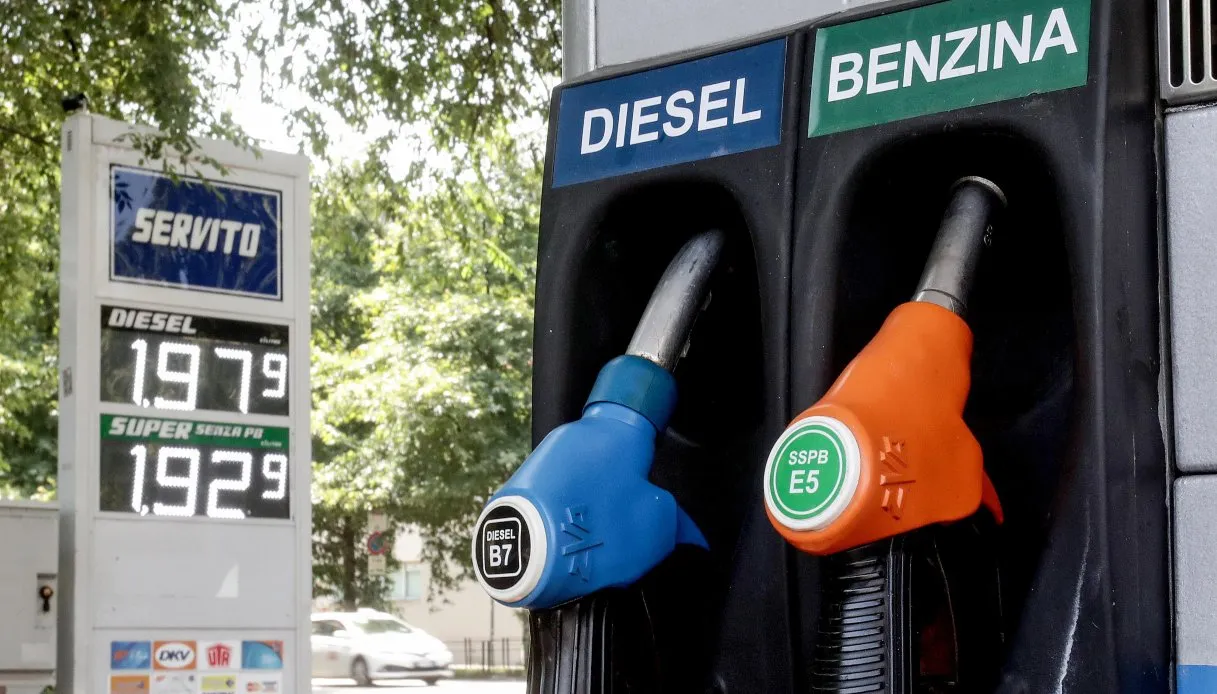
Less than 24 hours before these developments, the Minister of Business and Made in Italy Adolfo Urso, in an interview with Republichad ruled out that the Government would cut excise duties again as it did in the most intense months of the war, to limit fuel prices. Yesterday, however, petrol and diesel prices increased again:
- national average petrol price, 1.883 euros per litre;
- national average price of diesel, 1.989 euros per litre.
The “scatter interventions”, as Urso defined them, therefore those that lower the price of fuel at the pump for everyone, such as the cut in excise duties, have two defects:
- they are very expensive, the Government has already spent 1.8 billion euros on these interventions;
- they are counterproductive, because they increase the demand for fuel, causing prices to rise.
Possible measures instead of cutting excise duties
However, Urso did not rule out that, if prices were to increase significantly again, the Government could intervene, but with measures aimed at families in difficulty. The minister also called for responsibility on the part of oil companies:
We need responsibility on everyone’s part. However, if source prices were to increase significantly due to navigation blocks, we will adopt effective and timely measures, as already done.
In the interview, however, measures to reduce demand are not mentioned, such as free or heavily discounted public transport or incentives for the use of alternative means of transport, such as bicycles.