Millet beer, flavored fermented drinks and surprisingly sophisticated production techniques: a new study published in Journal of Archaeological Science: Reports sheds new light on the dietary and ritual habits of ancient China during the Warring States period approximately 2300 years ago (475-221 BC), one of the most turbulent but also most innovative eras in Chinese history. The study is led by Ruru Chen, from Xi’an University.
The research focuses on Qin, the kingdom that a few decades later would unify China, giving rise to the first empire. By analyzing organic residues preserved in ancient ceramic containers found in funerary and residential contexts, Chinese archaeologists have reconstructed the production and consumption practices of alcoholic beverages from over two thousand years ago.
Chemical analyzes have revealed traces of fermentation based on millet, one of the fundamental cereals of the ancient Chinese diet. In some jars, residues compatible with the use of barley, wheat and aromatic plants also emerged, a sign that the drinks were not simple primitive beers, but elaborate products obtained through complex recipes.
One of the most interesting aspects of the study concerns the role of qua traditional Chinese fermenting agent made by growing mold, yeast, and bacteria on pressed grains. This system, still used today in the production of some Asian liqueurs such as baijiuallowed starches to be transformed into fermentable sugars without the need for malting, unlike what happened in the production of beer in the Near East or Europe.
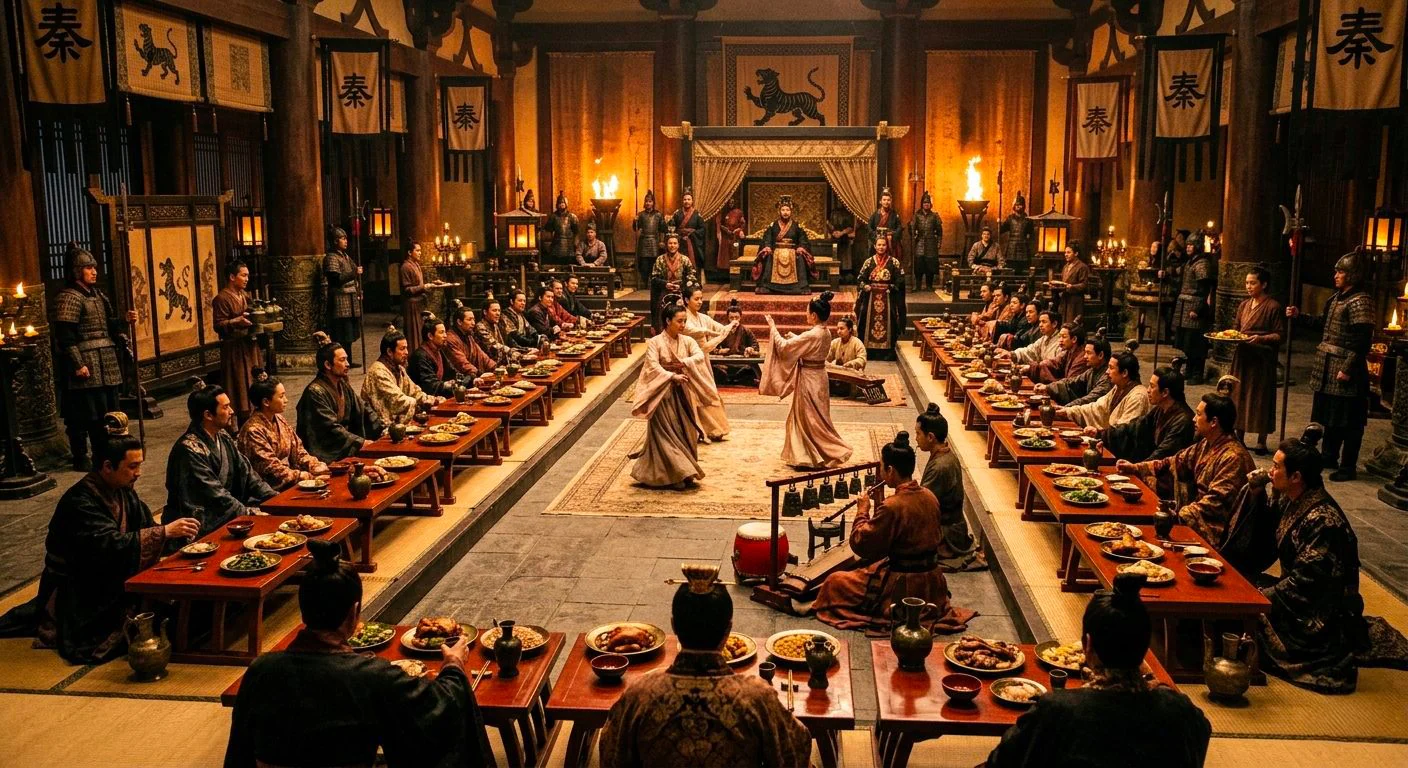
According to the researchers, alcoholic beverages had an importance that went beyond simple nutrition. In fact, the vessels studied also come from aristocratic tombs, indicating a strong ritual and symbolic value. Drinking alcohol at banquets, ceremonies, and offerings to ancestors was probably a central element of the political and religious life of the Qin state.
The chemical traces also show that some drinks could be filtered or clarified, suggesting more advanced production techniques than previously thought. Scholars even hypothesize the existence of specialized productions aimed at the elite. The research thus contributes to redefining the image of pre-imperial China: not only a warrior society engaged in continuous conflicts, but also a technologically refined civilization, capable of developing advanced knowledge in the field of fermentation and nutrition.