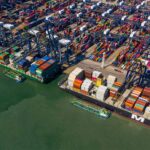
One of the most immediate consequences of tensions between the United States-Israel and Iran concerns the transportation of oil and refined fuels. The most critical junction is lo Strait of Hormuzone of the most important passages for energy transport: in fact, about a fifth of global oil passes through here. While Europe does not import huge quantities of crude oil directly from the Gulf, it is significantly dependent on refined products. According to theInternational Energy Agency (IEA), a significant share of the fuel dedicated to aviation (the so-called jet fuel) used in European airports comes from refineries located right in the Persian Gulf area. This means that any blockages in the Strait of Hormuz will not only stop oil, but also the supply chain of ready-to-use fuels. And it is precisely this that makes the supply system more vulnerable.
Because in Italy some petrol stations remained without fuel
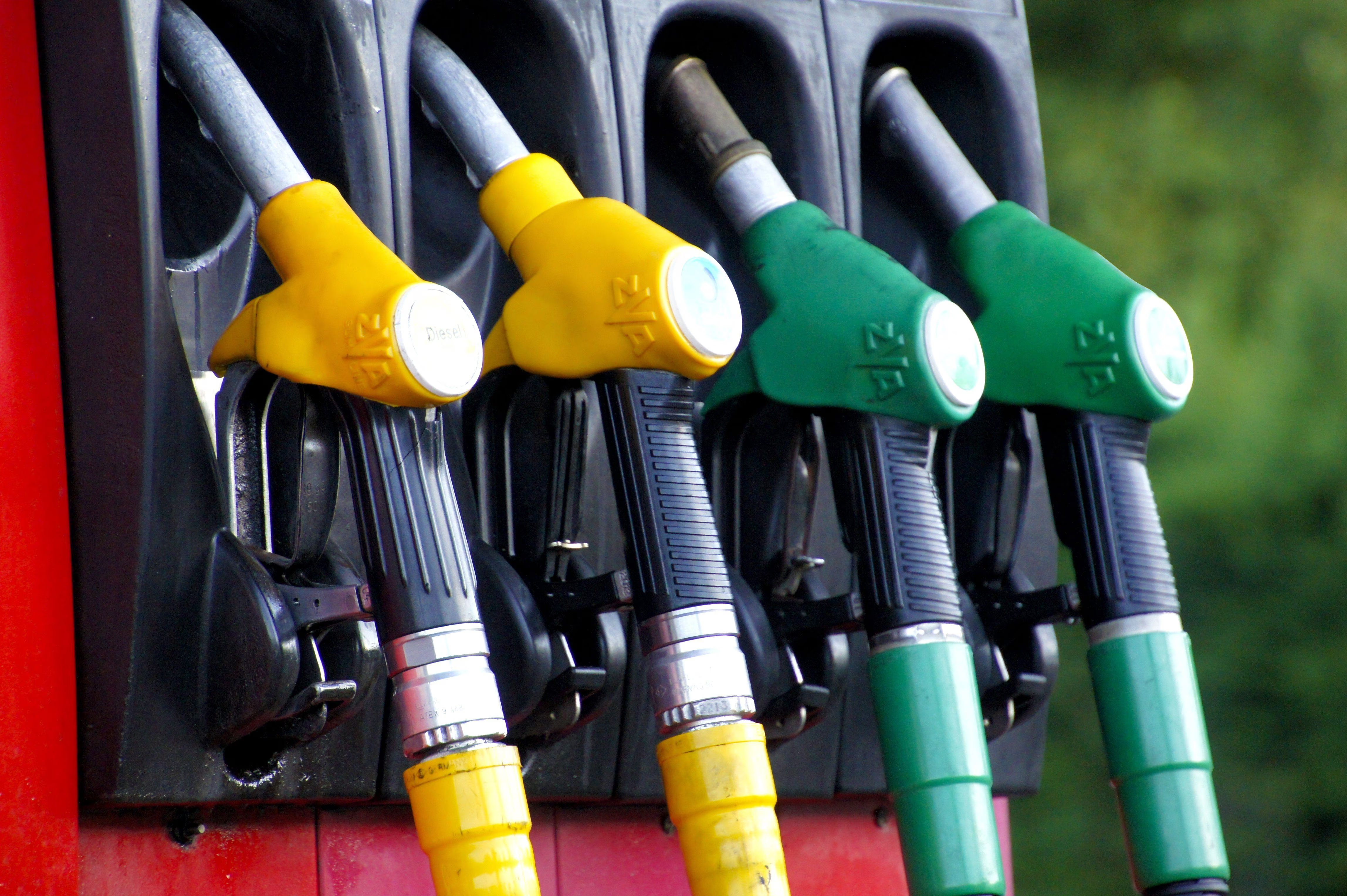
At the end of March 2026, reports of petrol stations running out of fuel multiplied in Italy. The main cause was not the lack of oil: according to the Ministry of Business and Made in Italy, the problem was above all logistical and linked to consumer behavior. The Italian Government introduced a cut in excise duties (around 24.4 cents/litre) with the decree of 23 March, but only 60% of distributors immediately applied this tariff. Consumers focused on these distributors, creating sudden spikes in demand. An average distributor has tanks of 15,000 to 30,000 litres: if demand doubles in a few days, the system goes into crisis. There is therefore no lack of fuel supplies – which in Italy cover at least 90 days – but there is a lack of adequate means and logistics to distribute them quickly. What seems like a fuel shortage therefore generates a domino effect: the fear of increases in fuel prices generates a rush to the distributors, from here a sudden demand is generated which makes the tanks empty. This in turn causes delays in tankers, which leads to temporary closures. It is the same mechanism observed in other crises, as also explained by the European Commission’s energy security reports. Once peak demand has passed, logistics generally tends to normalize within a few days.
The case of the Rong Lin Wan: the last ship before the blockade
Emblematic is the story of the Rong Lin Wan tanker, approximately 250 meters long, which left Kuwait on 26 February and headed for Europe. It managed to cross the Strait of Hormuz shortly before the blockade imposed by Iran, effectively becoming one of the last supplies headed to Europe. Maritime tracking data, such as that provided by Marine Traffic, clearly shows how fragile and dependent on a few hubs global energy routes are. If the blockade of the Strait of Hormuz were to be prolonged, the impact would be immediate: less available fuel means fewer flights. The airlines, therefore, are already preparing emergency plans, because – as also underlined byInternational Air Transport Association – the sector is extremely sensitive to the availability of jet fuel. Europe imports over 40% of the jet fuel needed, and much of it comes from the Gulf: if supplies are interrupted for weeks, flights will have to be scaled back. According to analysis ofEuropean Union Aviation Safety Agency and IATA, a prolonged scenario could lead to: numerous canceled summer flights and a significant increase in ticket prices.
The European Commission’s countermeasures: less consumption and more renewables
The real risk is living in an increasingly unstable energy system: recent crises, such as that of Hormuz, show that a blockade at a strategic point of global trade or a sudden increase in demand is enough to put the entire system under pressure. In this context, the real challenge is not how much fuel you have available, but how resilient the network that distributes it is. And it is precisely on this fragility that the future of energy is based. Faced with the ongoing crisis, the European Commission has invited Member States to reduce energy consumption, promoting:
- the smart workingwhere possible
- reduction of car journeys, preferring public transport or sustainable mobility (bicycles, scooters)
- reduction of non-essential flights
- acceleration on renewable energy
These measures do not solve the problem in the short term, but serve to reduce the structural dependence on geopolitically unstable areas.
Are we really in danger of running out of fuel?
The question many consumers are asking is whether we really risk running out of fuel. The answer is: in the short term, no. There is no immediate risk of running out of fuel in Europe or Italy. What may happen, however, is a temporary shortage in some areas rather than others, depending on the logistics involved, further price increases and possible disruptions in transport, especially air transport. The real problem is not the global quantity of oil available, but the fragility from the supply chains. As long as strategic hubs like the Strait of Hormuz remain unstable, the system remains exposed to shock sudden. As for Italy, the problem was transportation and distribution rather than lack of fuel
According to international standards (also defined by the IEA), strategic stocks cover at least 90 days of consumption, as expected for member countries of theInternational Energy Agency they are obliged. These reserves are used precisely to manage sudden crises, such as wars, logistical blockades or market shocks and can be released gradually to stabilize supply. This is one of the main reasons why a “run out of fuel” scenario in the short term is extremely unlikely. Furthermore, the price of fuel does not only depend on physical availability, but also on market expectations. According to some World Bank analyses, geopolitical tensions in production areas can generate strong fluctuations even without real interruptions to supplies. This explains why prices can rise rapidly even when oil continues to flow: markets see the risk before the shortage.