On the morning of June 15, the price of oil fell to $80 a barrel for the first time since March. The market is reacting to the prospects for peace between Iran and the USA, opened by the agreement for the opening of nuclear negotiations, which also provides for a resumption of traffic through the Strait of Hormuz.
For prices to return to pre-war levels in Iran, however, it could take months. Consumers will be the last to notice the drop in prices, because the price of petrol at the pump will fall slowly, for technical reasons. In the meantime, many states will have to fill their strategic reserves to defend themselves from other similar crises.
The price of oil fell below $80
Crude oil fell below $80 a barrel in the morning while Brent, the North Sea oil that is considered the best for refining globally, reached a price of $82.50 a barrel on international markets, after the US and Iran reached an agreement to open negotiations on Iran’s nuclear program, cease military activities for 60 days and reopen the Strait of Hormuz and access to Iranian ports.
Although this is a significantly lower price than the average of recent months, $80 is still $20 more than in the months before the war, a 40% increase in price. Even the promise of the reopening of the Strait of Hormuz is therefore not enough to completely reassure the markets, and the reasons for this mistrust are different.
Because opening the Strait of Hormuz is not enough
In addition to the fact that the straits and Iranian ports are not yet truly open, those who trade oil are well aware that it will take months for the situation to return to before the war:
- demand will remain high for months, because countries around the world have emptied their strategic stockpiles in recent months and will have to replenish them;
- Countries that did not have strategic reserves, like many in Southeast Asia, will want to create them to prepare for other similar crises, further increasing demand;
- The Persian Gulf’s oil infrastructure has been severely damaged by Iranian attacks and will need to be repaired, slowing production.
It will therefore be difficult to soon see prices close to 58 dollars a barrel, the lowest price reached before the tension between the US and Iran began to change the international oil market.
When petrol and diesel prices will drop
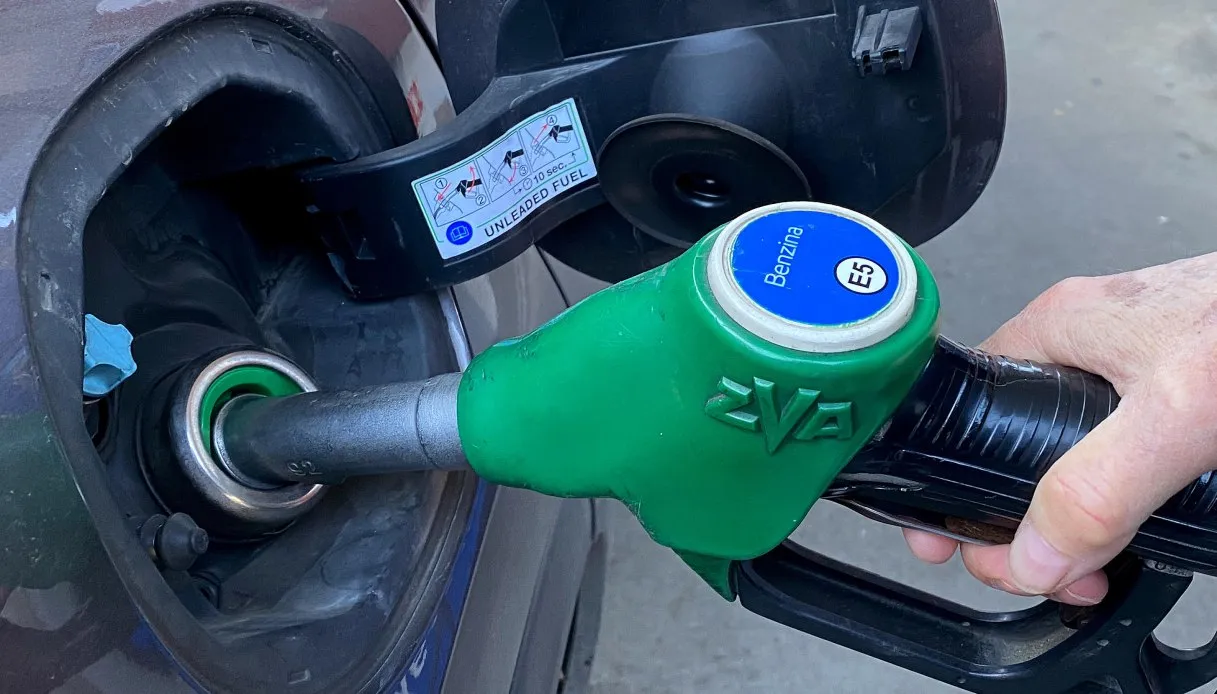
This will also have a consequence on the timing of lowering petrol and diesel prices in Italy. The cost of fuel itself is already slowly decreasing, because oil companies have to dispose of the refined products of oil purchased at high prices. In fact, it always takes a few weeks for prices at the pumps to adjust to those of oil.
The supply and demand market issues listed above will further slow this process. Even in the scenario in which the Strait of Hormuz reopens on Friday and all tension between Iran and the US disappears by the end of the week, petrol and diesel prices are unlikely to return to those at the beginning of the year, around 1.60 euros per litre, before the end of the summer.